Empowering Women Entrepreneurs in Latin America
Introduction to Women's Entrepreneurship in Latin America
The Entrepreneurial Drive
Across Latin America, a growing number of women are starting their own businesses. This trend isn't just about pursuing a passion; it's often a practical response to economic realities. For many, entrepreneurship offers a flexible path to earning an income while navigating family responsibilities. For others, it’s a way to break through career ceilings in traditional employment.
These businesses are incredibly diverse, but many are small-scale enterprises in the service, retail, or craft sectors. Think of neighborhood bakeries, local consulting services, or online shops selling handmade goods. While often starting small, these ventures play a vital role in their local economies and communities, creating jobs and providing essential services.
Facing the Hurdles
Despite their drive, women entrepreneurs in the region face significant obstacles. One of the biggest is access to capital. Traditional banks may be hesitant to lend to small, new businesses, especially those run by women, due to perceived risks or unconscious bias.
Cultural and social norms also present challenges. Women are often expected to be the primary caregivers, making it difficult to dedicate the long hours required to grow a business. They may also encounter gender bias from suppliers, customers, or even family members who question their capabilities.
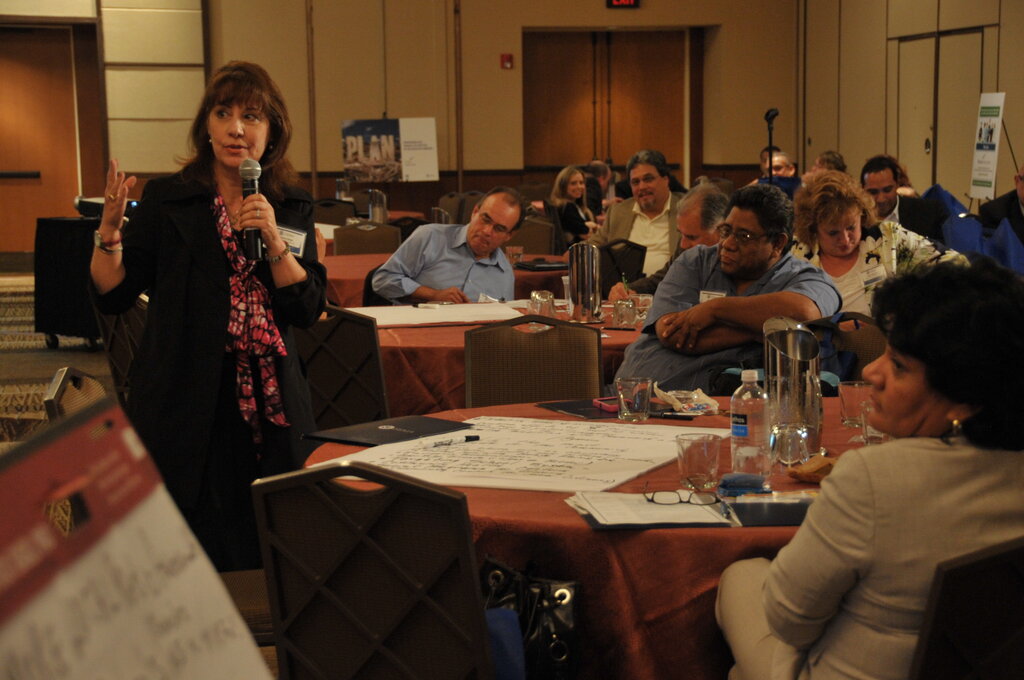
Furthermore, many women lack access to the professional networks and mentorship that are crucial for success. Business communities have traditionally been male-dominated, leaving women with fewer opportunities to find mentors, connect with potential partners, or learn from experienced peers.
Limited access to funding, deep-rooted social expectations, and a shortage of professional networks create a steep climb for many women entrepreneurs.
The Power of Support
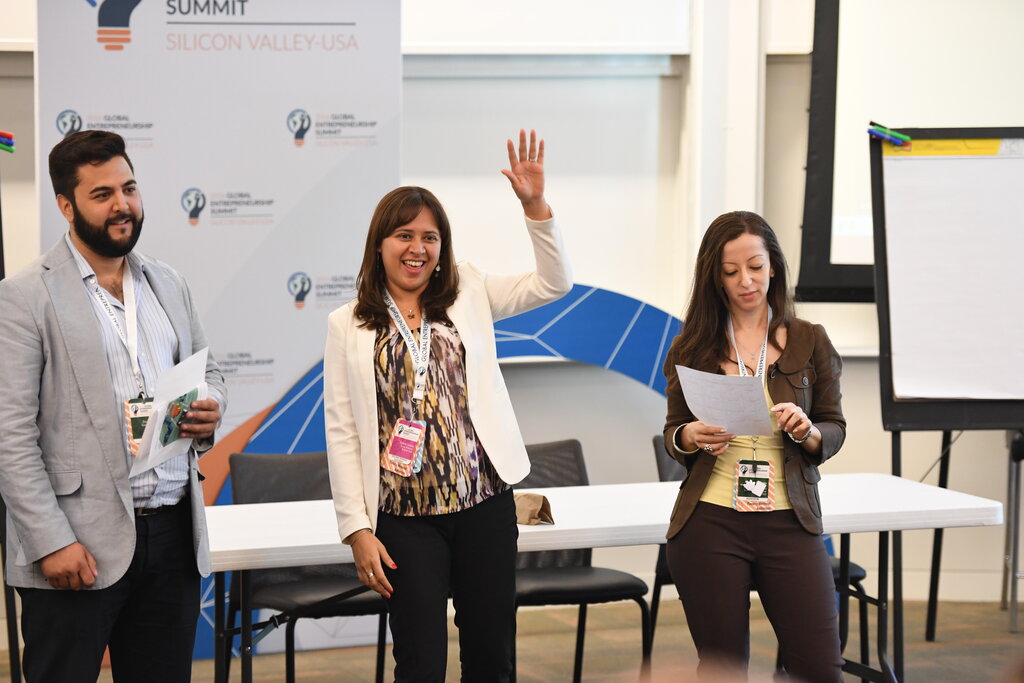
This is where support programs become essential. Organizations dedicated to helping women entrepreneurs provide the tools and resources needed to overcome these barriers. By offering a combination of financial services, business training, and networking opportunities, they create an ecosystem where women-led businesses can thrive.
Financial support often comes in the form of microloans, which are small loans that don't require the extensive credit history or collateral demanded by traditional banks. Training programs cover everything from financial literacy and marketing to digital skills, equipping entrepreneurs with the knowledge to manage and grow their companies effectively.
Perhaps most importantly, these programs build a community. They connect women with mentors and a network of peers who understand their struggles and can celebrate their successes. This sense of community fosters confidence and resilience, empowering women to navigate challenges and achieve their full potential.
Now, let's review what you've learned about the landscape for women entrepreneurs in Latin America.
What is one of the primary reasons mentioned for women in Latin America to start their own businesses?
According to the text, which of the following is the most significant financial barrier for women entrepreneurs in the region?
Understanding this context is the first step in appreciating the impact of targeted initiatives that help women overcome barriers and succeed.