Employment Contract Review
Employment Contract Basics
The Building Blocks of Your Job
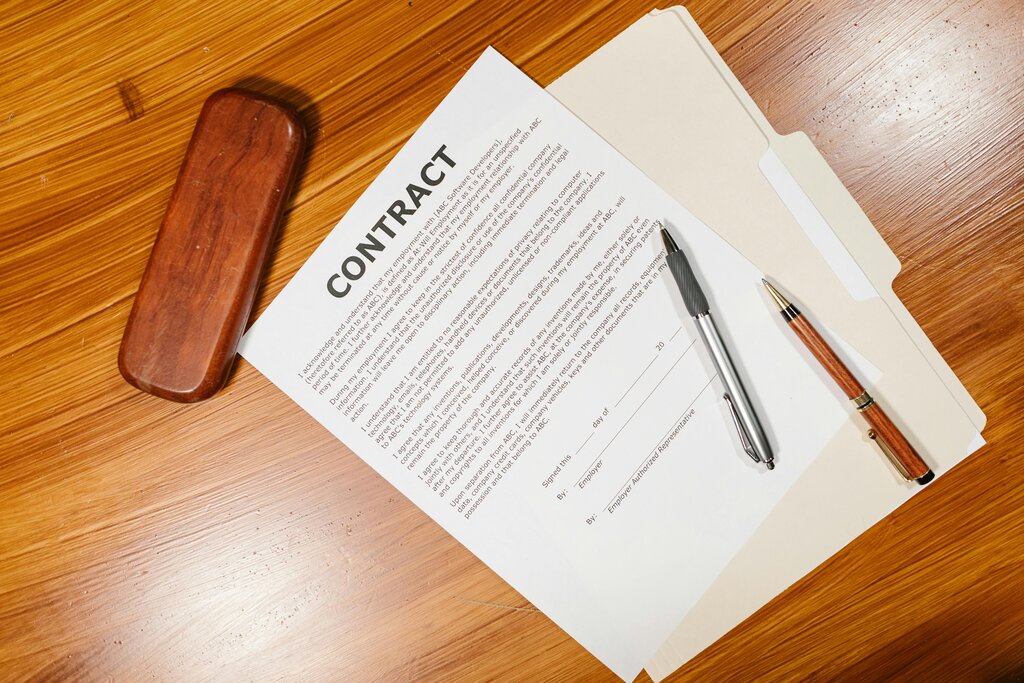
An employment contract is more than just a piece of paper you sign on your first day. It’s the blueprint for your relationship with your employer. It lays out what they expect from you and what you can expect from them in return. Getting familiar with the key parts of a contract helps you understand your role clearly from the start.
Your Role and Responsibilities
One of the first things you'll see in a contract is your job title. But the title alone doesn't tell the whole story. The job description is where the details are. This section should clearly list your main duties, tasks, and responsibilities. It defines what you'll be doing day-to-day and who you'll report to.
A vague job description can lead to confusion later on. You might be asked to do work you didn't sign up for, or you might not be sure how your performance is being measured. A good contract connects your responsibilities to clear goals or metrics for success.
Pro Tip: Request a detailed job description—titles, responsibilities, and success metrics—and have it appended to the contract.
Compensation and Benefits
This part of the contract details how you'll be paid. Compensation isn't always a simple annual salary. It can come in a few different forms, and your contract will specify which one applies to you.
| Type | How It Works |
|---|---|
| Salary | A fixed amount paid on a regular schedule. |
| Hourly | A set rate paid for each hour you work. |
| Commission | Pay based on a percentage of sales made. |
| Bonus | Extra pay, often tied to performance goals. |
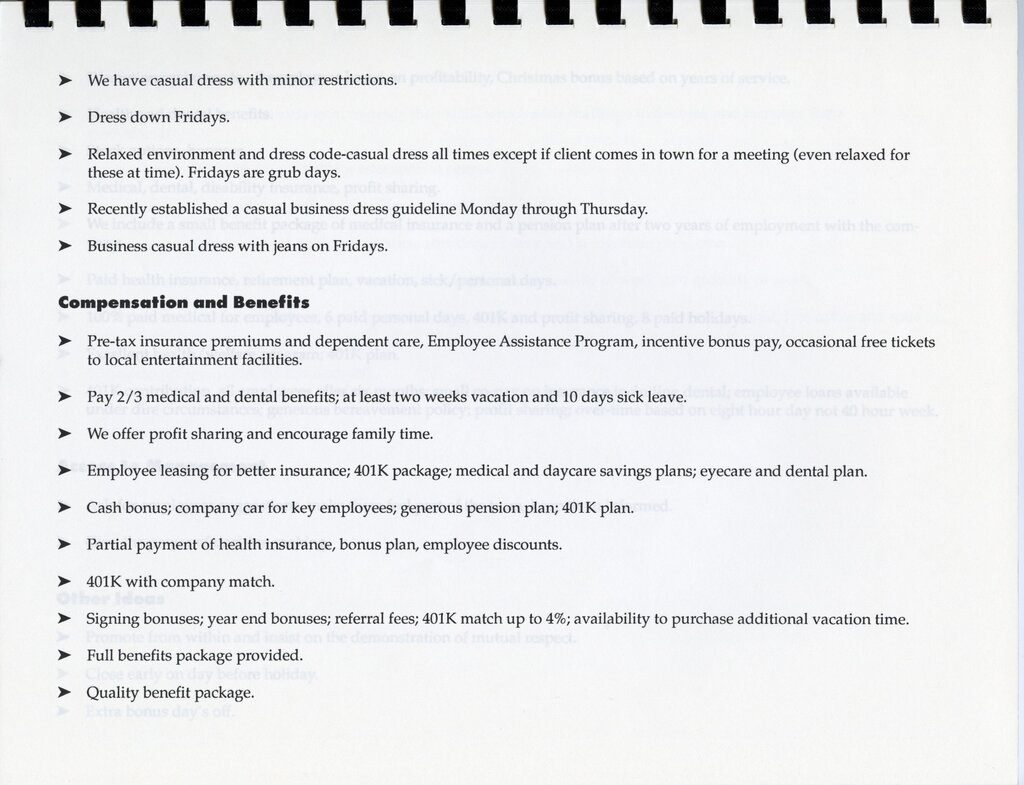
Beyond your direct pay, the contract should also outline your benefits package. This can include a wide range of perks. Common benefits include health, dental, and vision insurance, as well as contributions to a retirement plan, like a 401(k). It will also specify your paid time off (PTO), which covers vacation days, sick leave, and holidays.
When Things End
No one likes to think about a job ending, but every employment contract includes a section on termination. This clause explains the conditions under which you or your employer can end the employment relationship. It's a standard and necessary part of any agreement.
The termination clause typically defines the notice period required. For example, you might be required to give two weeks' notice if you decide to leave. The company usually has to provide notice, too, unless you are terminated for "cause." Termination for cause means you've done something serious to violate company policy, like theft or fraud, and can be let go immediately.
This section may also mention what happens upon termination, such as the final paycheck process and the return of company property like laptops or keys.
The termination clause protects both you and the employer by creating a clear and predictable process for ending the working relationship.
Understanding these core components—your role, your pay, and the terms of departure—gives you a solid foundation for navigating your employment contract.