Employment Contract Red Flags
Employment Contract Basics
The Anatomy of a Job Offer
An employment contract is a legally binding agreement that lays out the terms of your job. Think of it as the official rulebook for your relationship with your employer. It’s designed to make sure both you and the company are on the same page about what’s expected.
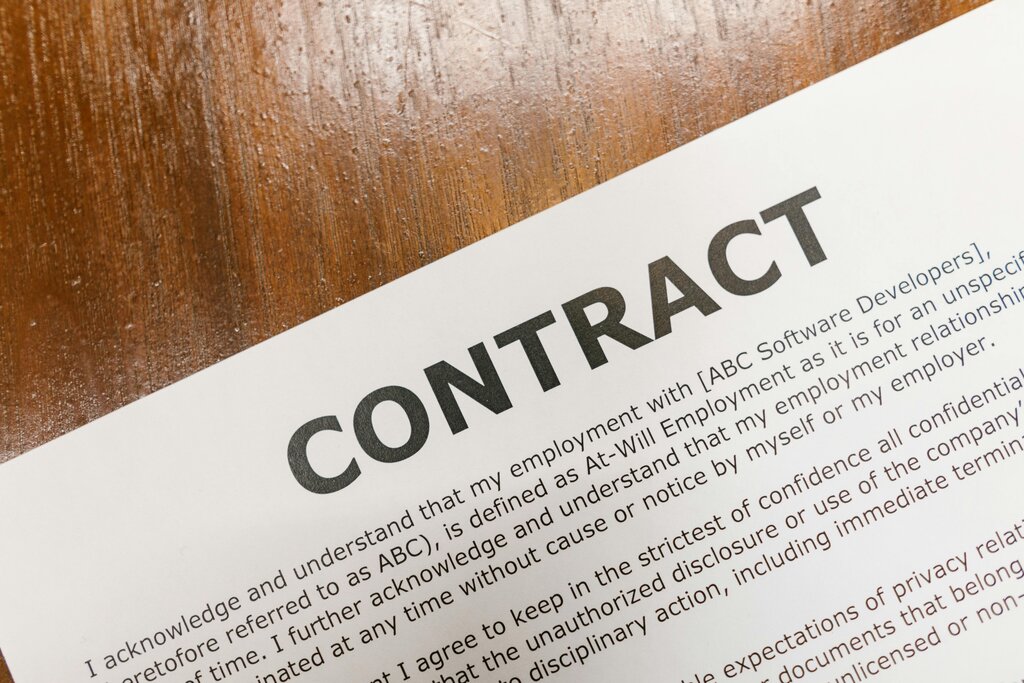
The main purpose is to create clarity. For you, the employee, it defines your role, what you'll earn, and your rights. For the employer, it specifies your duties and the company's commitments to you. A clear contract prevents misunderstandings down the road.
Key Components
While contracts vary, most share a few core components that define the job.
Your contract should clearly state your job title and a description of your primary duties and responsibilities. This section sets the boundaries of your role and what you're accountable for.
Compensation and benefits are also central. The contract will specify your salary or hourly wage, how often you'll be paid, and details about any bonuses or commissions. It should also outline benefits like health insurance, retirement plans, and paid time off.
Pro Tip: Request a detailed job description—titles, responsibilities, and success metrics—and have it appended to the contract.
Finally, every contract addresses how the employment relationship can end. A termination clause explains the conditions under which either you or your employer can end the agreement. This includes how much notice is required and what happens in different scenarios, such as layoffs or firing for cause.
Roles and Obligations
A contract is a two-way street. Both the employer and the employee have specific obligations they must meet. These responsibilities ensure a fair and functional working relationship.
| Party | Key Obligations |
|---|---|
| Employee | Perform job duties to a reasonable standard. Follow company policies and rules. Maintain confidentiality. Act in the best interest of the employer. |
| Employer | Pay the agreed-upon compensation on time. Provide a safe working environment. Adhere to all terms regarding benefits and leave. Comply with employment laws. |
Understanding these fundamental pieces helps you read any employment contract with confidence. It’s the foundation for knowing what you’re agreeing to when you accept a new role.