Employee Relations and Organizational Climate Essentials
Introduction to Employee Relations
What Is Employee Relations?
Employee relations refers to the relationship between an organization and its employees. It’s about how employers and employees interact with each other daily. Think of it as the ongoing effort to create and maintain a positive, productive, and respectful work environment for everyone.
This isn't just about handling problems when they arise. Good employee relations is a proactive approach. It involves creating clear policies, ensuring fair treatment, and building a workplace culture where people feel valued and heard. The goal is to strengthen the connection between the company and its staff, which benefits both sides.
Effective employee relations helps prevent small issues from becoming major problems by fostering an atmosphere of trust and open dialogue.
Communication Is Key
The foundation of strong employee relations is effective communication. This has to be a two-way street. It's not enough for management to simply pass down information. Employees need channels to share their feedback, ideas, and concerns without fear of negative consequences.
Clear, consistent, and transparent communication helps build trust. When employees understand the company's goals and how their work contributes to them, they are more engaged. This can be achieved through regular team meetings, one-on-one check-ins with managers, and easily accessible company policies.
Handling Conflict
Disagreements are a natural part of any workplace. When people with different perspectives and personalities work together, conflict is bound to happen. The key isn't to avoid it, but to manage it constructively.
Given that conflict is inevitable in any workplace, providing employees with effective tools and training to manage disagreements constructively is crucial for maintaining positive interactions.
Effective conflict resolution turns a potential negative into a positive. It can lead to better ideas, stronger relationships, and a more inclusive environment. The goal is to find a solution that respects all parties involved. A common approach involves a few basic steps:
| Step | Action |
|---|---|
| 1. Acknowledge | Recognize that a conflict exists. Don't ignore it. |
| 2. Discuss | Allow each person to explain their perspective calmly. |
| 3. Find Common Ground | Identify shared goals or areas of agreement. |
| 4. Brainstorm Solutions | Work together to find a mutually acceptable resolution. |
Why It All Matters
Investing in employee relations is directly linked to organizational success. When employees feel respected and supported, they are more likely to be motivated, productive, and loyal. A positive work environment reduces employee turnover, which saves the company time and money on recruiting and training new staff.
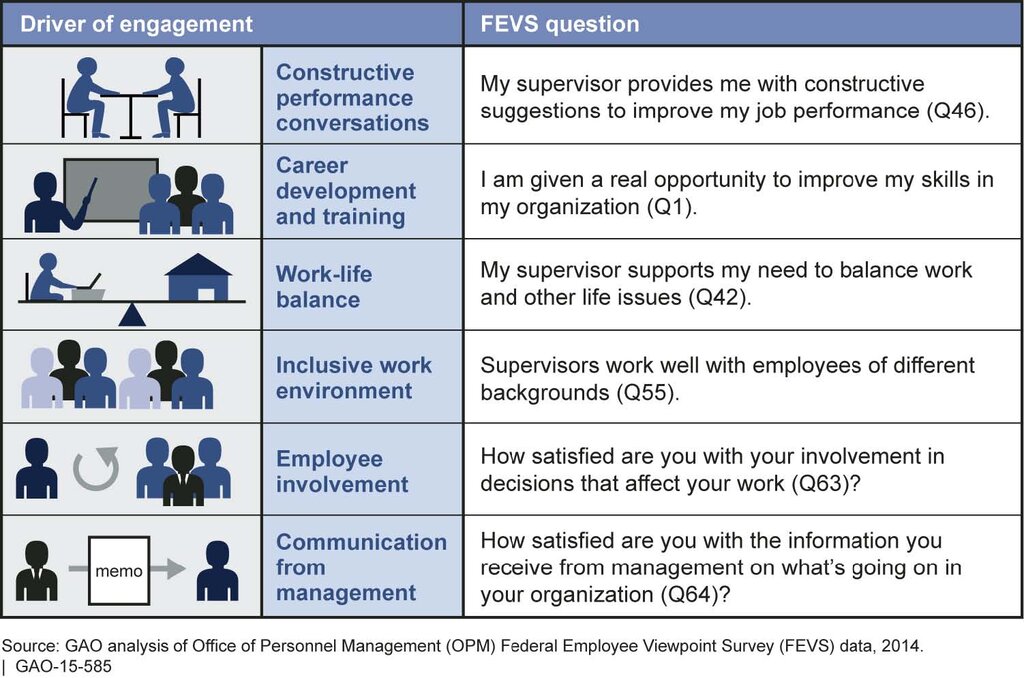
Ultimately, strong employee relations create a resilient and adaptable workforce. A company with engaged and satisfied employees is better equipped to handle challenges and innovate, leading to better performance and a stronger bottom line.
What is the primary focus of employee relations?
Effective communication in employee relations is primarily a one-way flow of information from management to staff.