Employee Hour Tracking System
Understanding Labor Laws
Understanding Your Rights at Work
When you work for an employer, a set of rules protects how you're paid and how many hours you can work. In the United States, the main federal law governing this is the Fair Labor Standards Act, or FLSA. It was passed in 1938 to protect workers from unfair pay practices.
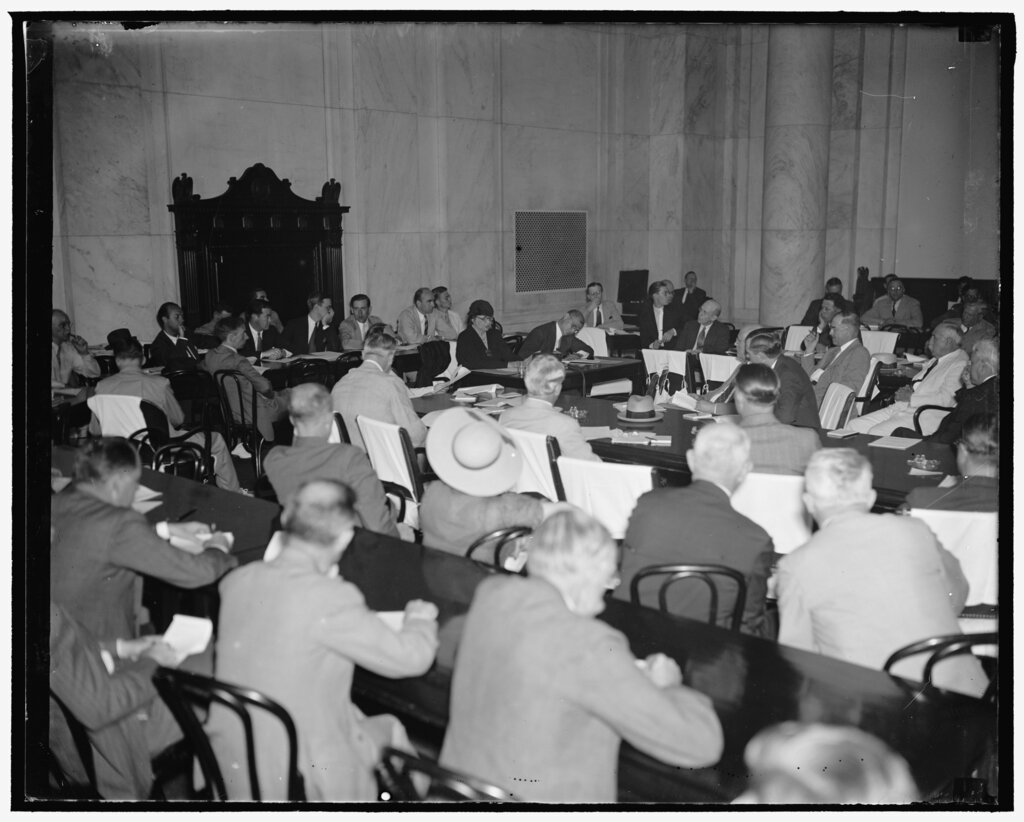
The FLSA establishes several important standards for most private and public sector employees. Think of it as the bedrock of your rights regarding pay. It sets the national minimum wage, defines overtime pay, creates recordkeeping requirements for employers, and establishes rules for youth employment. Let's break down what these protections mean for you.
Key FLSA Rules
The FLSA applies to most workers, but its most important protections are for those classified as "non-exempt." This is a crucial distinction. Non-exempt employees are entitled to all of the FLSA's protections, including overtime pay. Exempt employees, who typically hold salaried administrative, professional, or executive positions, are not.
non-exempt
adjective
A classification for employees who are entitled to federal minimum wage and overtime pay protections under the Fair Labor Standards Act (FLSA).
One of the most well-known provisions of the FLSA is the federal minimum wage. This is the lowest hourly rate that employers can legally pay their non-exempt employees. While the federal rate sets a baseline, many states and cities have established higher minimum wages.
The current federal minimum wage is 💲7.25 per hour. Employers must pay the higher of the federal, state, or local minimum wage.
The FLSA also mandates overtime pay for non-exempt employees. If you work more than 40 hours in a single workweek, your employer must pay you at least 1.5 times your regular rate of pay for each extra hour. This is often called "time-and-a-half."
To ensure these rules are followed, the law requires employers to keep detailed and accurate records for every non-exempt worker. This isn't just a good practice; it's a legal requirement. These records are the primary tool for verifying that employees are paid correctly.
| Information Required by FLSA |
|---|
| Employee's full name and social security number |
| Address, including zip code |
| Birth date, if younger than 19 |
| Sex and occupation |
| Time and day of week when employee's workweek begins |
| Hours worked each day and total hours worked each workweek |
| Basis on which employee's wages are paid (e.g., "$15/hour") |
| Regular hourly pay rate |
| Total daily or weekly straight-time earnings |
| Total overtime earnings for the workweek |
| All additions to or deductions from the employee's wages |
| Total wages paid each pay period |
| Date of payment and the pay period covered by the payment |
Finally, the FLSA includes youth employment standards. These rules protect children and teens by restricting the types of jobs they can do and the hours they can work, ensuring that work does not jeopardize their health, well-being, or educational opportunities.
Why Compliance Is Critical
For employers, following labor laws is non-negotiable. Failing to comply with the FLSA can lead to serious consequences, including government investigations, lawsuits from employees, and significant financial penalties, such as paying back wages and fines. The U.S. Department of Labor is responsible for enforcing the act and takes violations seriously.
To ensure compliance with wage and hour laws, employers must understand and apply federal and state regulations, accurately classify employees as exempt or non-exempt, and implement precise timekeeping systems.
This is where accurate time tracking becomes essential. It's the foundation of FLSA compliance. Without a reliable system for recording when employees start and stop work, including breaks, it's nearly impossible to calculate pay correctly and produce the records required by law. Meticulous time tracking is the best way for a business to protect itself and ensure its employees are paid fairly for their work.
Ready to check your understanding?
What is the primary purpose of the Fair Labor Standards Act (FLSA)?
Under the FLSA, which category of employees is generally entitled to overtime pay for working more than 40 hours in a workweek?
Understanding the basics of the FLSA empowers you to know your rights as an employee and helps employers build a fair and legally sound workplace.