Emperor Claudius of Rome
Early Life
An Imperial Outcast
Tiberius Claudius Nero Germanicus was born with impeccable connections. Born on August 1, 10 BC, in Lugdunum (modern-day Lyon, France), he was the first member of the imperial family born outside of Italy. His father was the respected general Drusus, and his mother was Antonia Minor, the daughter of the famous Mark Antony and Octavia, the sister of Emperor Augustus.
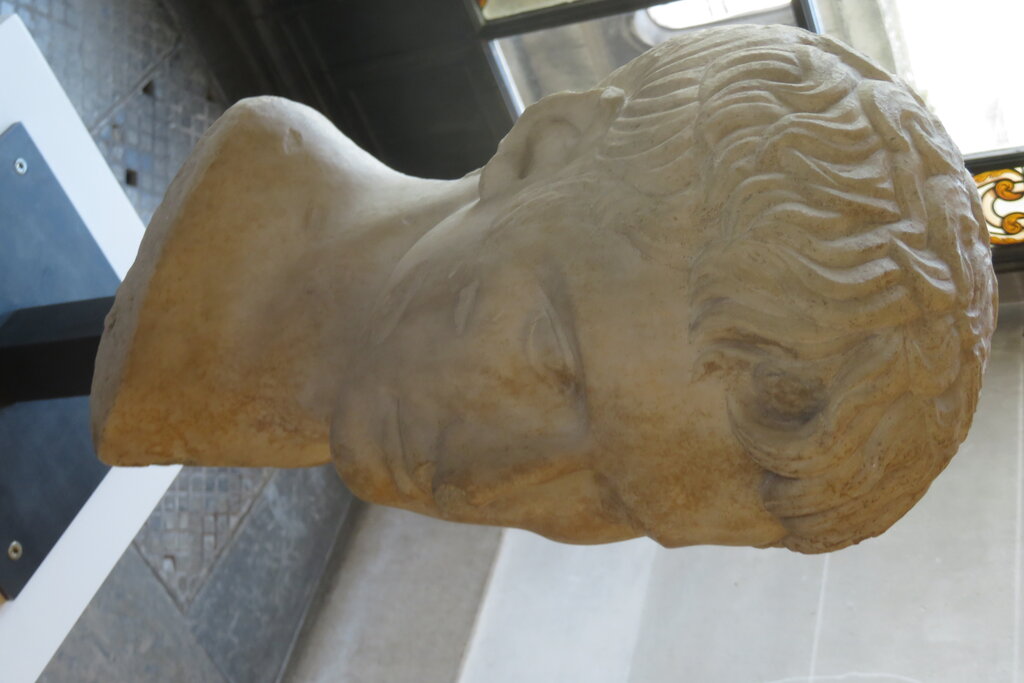
This meant Claudius was the grandson of Augustus's wife, Livia, and the great-nephew of Augustus himself. His older brother, Germanicus, was a charismatic military hero and the father of the future emperor Caligula. With a family tree like this, a brilliant public career should have been guaranteed.
Marked by Illness
From an early age, Claudius was afflicted by several physical ailments. He limped, stammered, and had a slight tremor in his hands and head. His nose often ran, and he was prone to sickness. In the ruthless world of Roman politics, where physical perfection was seen as a sign of divine favor, these infirmities were a source of deep shame for his family.
His own mother, Antonia, reportedly called him a "monster of a man, not finished but merely begun by Nature." His grandmother Livia could not bear to look him in the face.
Because of his condition, the imperial family viewed Claudius as an embarrassment. They considered him weak-minded and unfit for public office, a stark contrast to his popular brother Germanicus and his ambitious nephew Caligula.
A Life in the Shadows
Claudius was systematically excluded from public life. While other young men of the Julio-Claudian dynasty began their ascent through the traditional sequence of political and military offices known as the cursus honorum, Claudius was kept hidden away. He was not allowed to appear at state ceremonies and was denied any significant responsibilities.
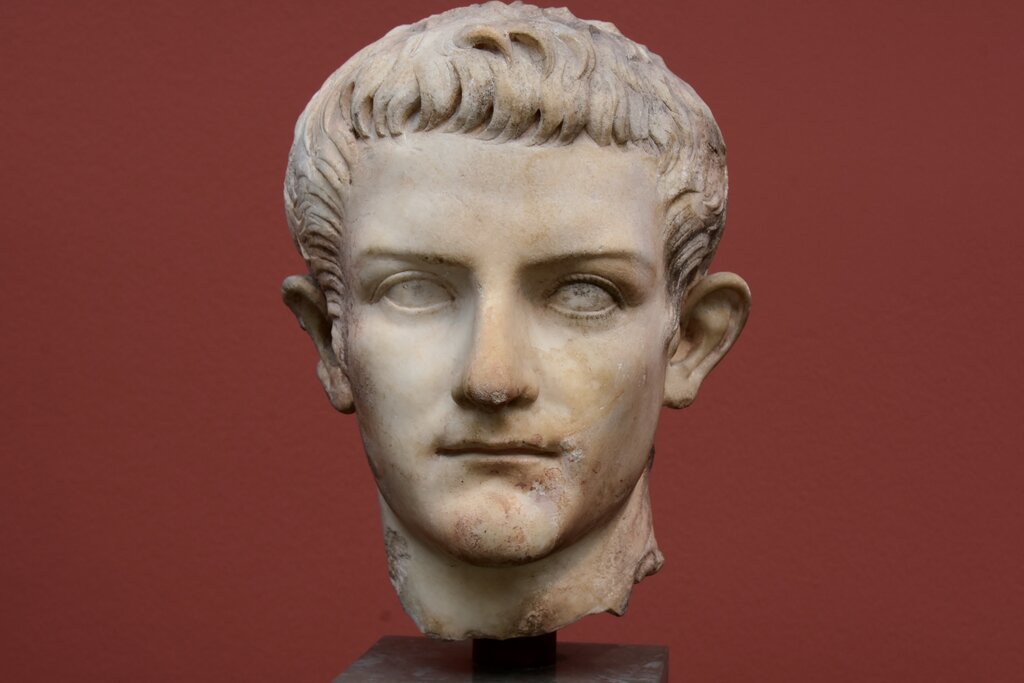
This exclusion, though humiliating, likely saved his life. During the paranoid reigns of Tiberius and Caligula, many prominent members of the imperial family were executed or forced into suicide. Because no one saw Claudius as a threat, he was largely ignored and left alone.
Forced into the background, Claudius dedicated himself to scholarly pursuits. He became a respected historian, writing extensively on Etruscan and Carthaginian history, as well as an autobiography. This quiet life of study gave him a deep understanding of Roman law and governance that would prove invaluable later in life.
Let's review what you've learned about Claudius's beginnings.
What was unique about Claudius's birthplace, Lugdunum?
What was the primary reason Claudius's family kept him out of public life?
Shunned and underestimated, Claudius survived the deadly politics of his family by being invisible, a background figure no one took seriously until fate intervened.