Empathy Through DEIA Stories
Understanding Empathy
What Is Empathy?
Empathy is the ability to understand and share the feelings of another person. It's about stepping into someone else's shoes and seeing the world from their perspective. This isn't just about feeling sorry for someone, which is sympathy. Empathy is about feeling with them.
Empathy
noun
The ability to understand and share the feelings of another.
Empathy isn't a single feeling but a range of experiences. Experts generally break it down into three main categories:
| Type | Description | Example |
|---|---|---|
| Cognitive Empathy | Understanding someone's thoughts and feelings on an intellectual level. | A manager understands why an employee is frustrated with a project, even if they don't feel the frustration themselves. |
| Emotional Empathy | Sharing the feelings of another person; feeling what they feel. | You feel a surge of excitement when your friend tells you they got a promotion. |
| Compassionate Empathy | Understanding and feeling for someone, which then moves you to take action to help. | Seeing a coworker overwhelmed with their workload, you offer to take on one of their tasks. |
The Science Behind Empathy
Our ability to empathize isn't just a social skill; it's wired into our brains. A key part of this is the mirror neuron system. These are brain cells that fire both when we perform an action and when we see someone else perform that same action. When you see someone smile, your mirror neurons for smiling fire, creating a faint echo of that feeling in your own mind. This helps us understand others' actions and intentions.
Psychologically, empathy involves two key processes: perspective-taking and emotional contagion. Perspective-taking is the cognitive effort to imagine another person's viewpoint. Emotional contagion is more automatic, like when you find yourself yawning after seeing someone else yawn. Together, these processes allow us to build a mental and emotional model of another person's experience.
Why Empathy Matters
Empathy is the glue that holds our social world together. In personal relationships, it builds trust and fosters deep connections. When you show empathy, you're telling someone, "I see you, I hear you, and what you feel matters to me." This validation is crucial for healthy, supportive relationships.
In the workplace, empathy is just as vital. It improves teamwork, enhances leadership, and leads to better communication. Empathetic leaders are better able to motivate their teams, and colleagues who practice empathy can resolve conflicts more effectively.
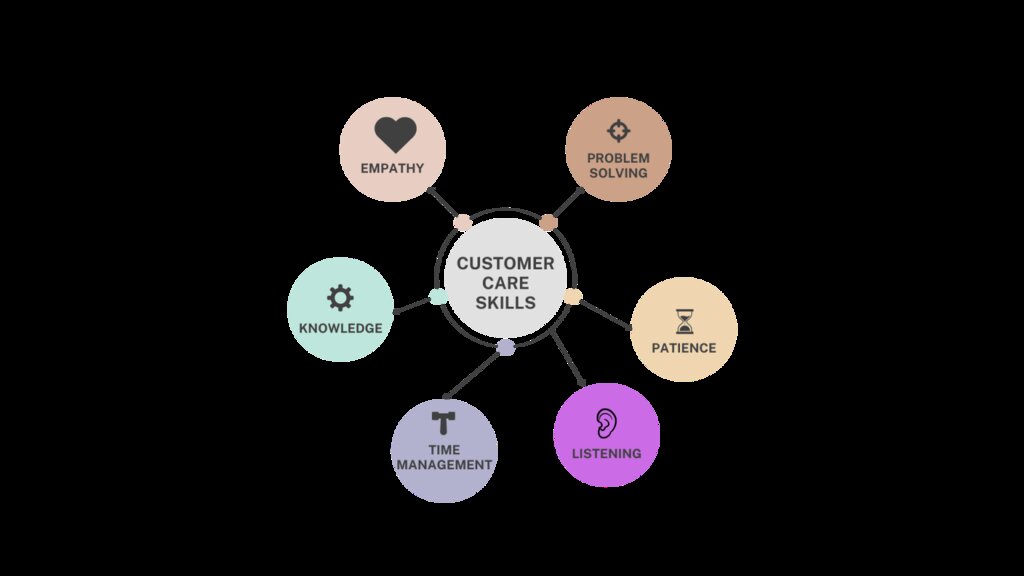
Empathy, the capacity to genuinely share and grasp the feelings of another, acts as a cornerstone in resolving workplace conflicts.
Clearing Up Misconceptions
People often confuse empathy with sympathy. While they sound similar, they are quite different. Sympathy is feeling for someone. You might feel pity or sorrow for their hardship, but you remain at a distance. Empathy is feeling with someone. It requires a shared emotional experience.
Sympathy says, "I'm sorry that happened to you." Empathy says, "I can imagine how that must feel."
Another common myth is that empathy is a fixed trait you're either born with or not. While some people may be naturally more empathetic, it is a skill that can be developed and strengthened over time. Like any skill, it requires conscious effort and practice.
Ready to test your knowledge? This quiz will cover the different types of empathy and its role in our lives.
Which of the following best defines empathy?
What is the primary function of the mirror neuron system in the context of empathy?
By understanding what empathy is, how it works, and why it's important, you can start to practice it more intentionally in your daily interactions.