Empathy for Young Hearts
Understanding Emotions
What Are Feelings?
Everyone has feelings. Feelings are what you experience on the inside, and they can change many times a day. Sometimes you might feel happy, like when you're playing your favorite game. Other times you might feel sad, like when a friend has to go home.
Feelings are also called emotions. There are many different kinds of emotions. You might feel angry if someone takes your toy, or excited when you know a special treat is coming. All of these feelings are normal, and everyone has them. Learning about our feelings is the first step to understanding ourselves and others better.
Giving Your Feelings a Name
Putting a name to a feeling can make it less confusing. When you can say, "I feel frustrated," it helps you understand what's happening inside your body and mind. It’s like turning on a light in a dark room.
A feelings chart or an emotions wheel can help you find the right word for your feeling. It shows lots of different emotions, starting with the main ones and branching out to more specific feelings.
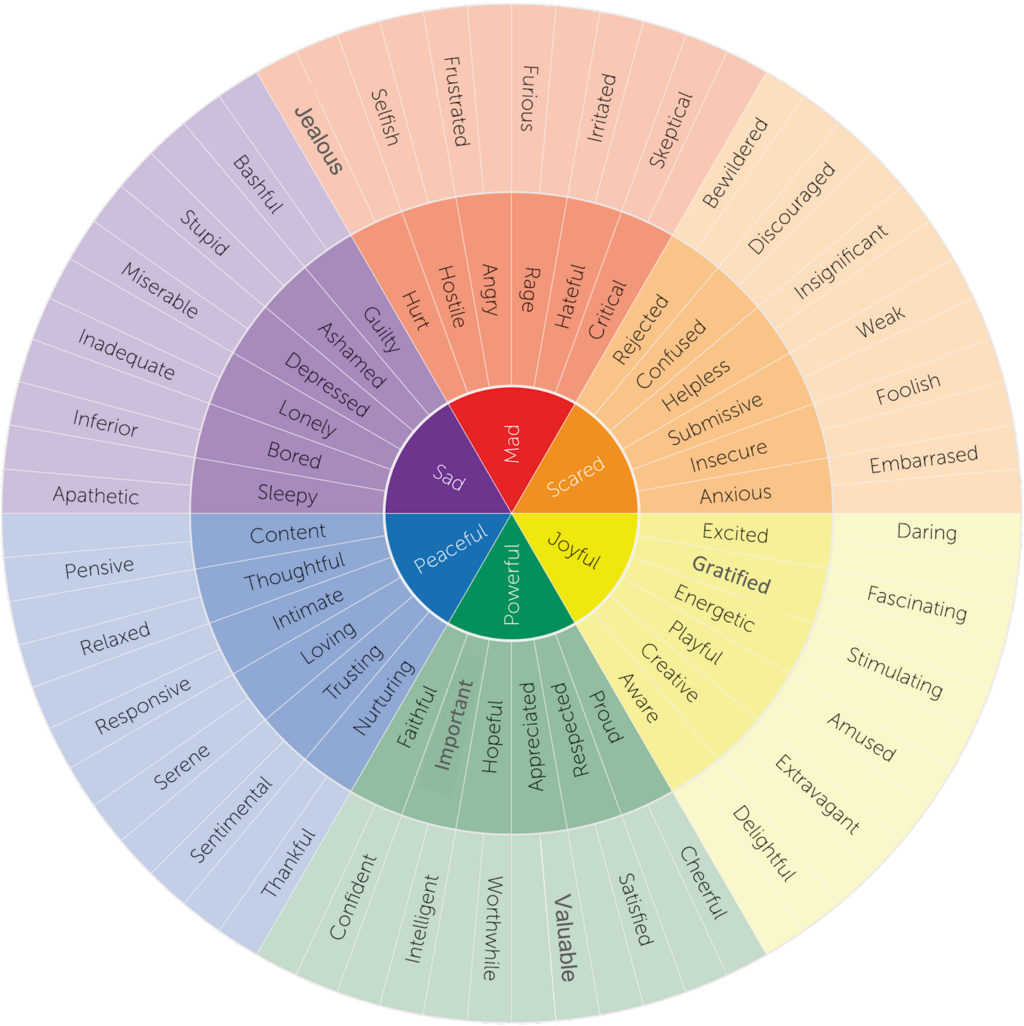
Next time you feel a big emotion, try looking at a chart like this one. Find the core feeling, like sad or mad, in the middle. Then, look at the words around it to find one that fits just right. Maybe you’re not just sad, but lonely. Or maybe you're not just mad, but frustrated.
Naming your emotions is the first step toward managing them.
Noticing Feelings All Day Long
Your feelings are with you all day, from the moment you wake up until you go to sleep. Paying attention to them helps you learn about yourself. Let's think about a regular day.
When you wake up, you might feel sleepy and calm. When you eat your favorite breakfast, you might feel happy and content. During school or playtime, you could feel excited to see your friends. But if you can't get a puzzle piece to fit, you might feel a flash of frustration. When it's time to clean up, you might feel a little grumpy.
Every feeling is a message. Frustration might tell you that you need help with something. Sadness might mean you miss someone.
Talking about these feelings with a grown-up is a great idea. You can say, "I feel sad because I miss Grandma," or "I'm excited about going to the park." This helps others understand you and helps you practice naming your emotions.
Feelings in Stories
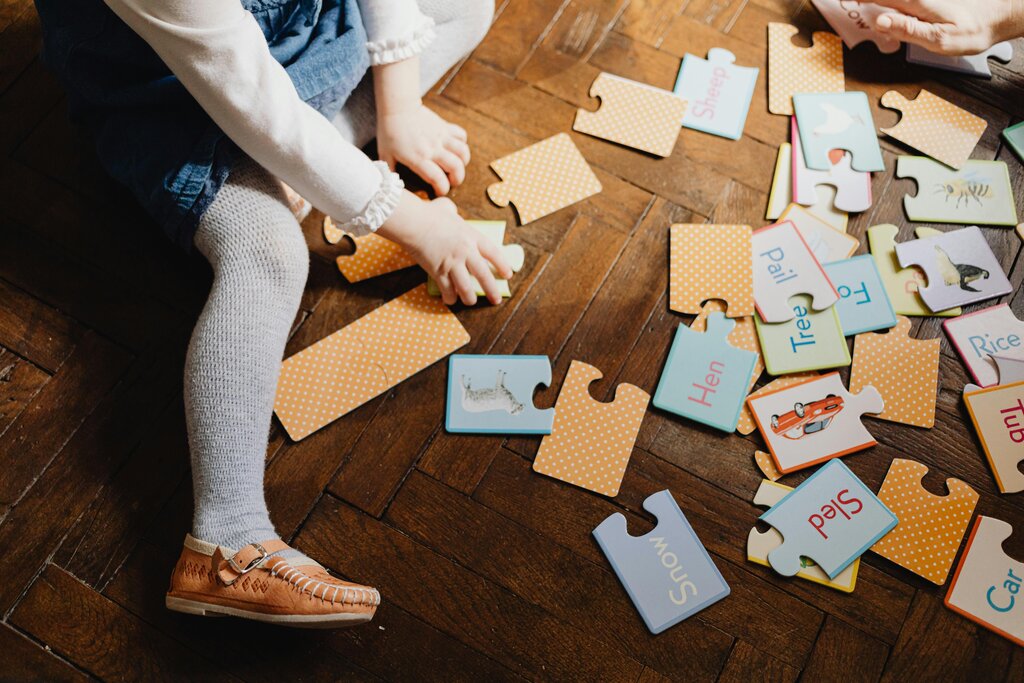
Stories and books are full of characters who have all sorts of feelings. Reading about them is a fun way to understand emotions better. When a character in a story feels angry, you can see what they do. When they feel proud, you can share their happiness.
While you are reading with a grown-up, try asking questions about the characters. You could ask, "How do you think the bear is feeling right now?" or "Have you ever felt worried like the little bunny?" Talking about the feelings of characters in a book makes it easier to talk about your own.
What is another word for feelings?
If you feel a big emotion but don't know what to call it, what could help you find the right word?
Learning about your feelings is a big and important job. The more you practice noticing and naming your emotions, the better you'll get at it.