Emotionally Intelligent AI Use Cases
Introduction to Affective Computing
Giving AI Emotional Intelligence
For a long time, computers have been good at processing logic, but terrible at understanding feelings. They could calculate complex equations but couldn't tell if you were happy, sad, or frustrated. That's starting to change with a field called affective computing, also known as emotion AI.
Affective Computing
noun
The field of study and development of systems and devices that can recognize, interpret, process, and simulate human affects or emotions.
The goal is to bridge the emotional gap between humans and machines. Instead of us having to adapt to the cold, literal nature of computers, affective computing aims to make computers adapt to our emotional states. This creates interactions that feel more natural, empathetic, and effective.
The Origins of Emotion AI
The idea of emotionally aware machines isn't new, but it was formally established as a field of study in the 1990s. The term "affective computing" was coined by Professor Rosalind Picard of the MIT Media Lab, who published a foundational book on the topic in 1997.
Picard and other pioneers argued that if we want computers to be truly intelligent and helpful partners in our lives, they need to have some form of emotional intelligence. They need to understand the emotional context behind our words and actions.
Early work focused on recognizing basic emotions from facial expressions, like happiness or anger. Today, the field is much more advanced, analyzing vocal tone, word choice, and even physiological signals to get a richer picture of a person's emotional state.
How It Works
Affective computing isn't about making computers feel emotions. It's about giving them the ability to recognize and respond to them. This process generally involves three key steps.
1. Emotion Recognition: This is the data-gathering phase. An AI system uses sensors like cameras, microphones, or even biometric trackers to detect emotional cues. This could be a furrowed brow in a photo, a raised pitch in someone's voice, or specific words used in an email.
2. Emotion Interpretation: After recognizing cues, the system must interpret them. A smile doesn't always mean happiness, and a loud voice isn't always anger. The AI analyzes the data in context to make an educated guess about the person's underlying emotional state. This step often draws on psychological models of emotion to classify feelings.
3. Emotion Response: Finally, the system responds appropriately. A virtual assistant might notice a user's frustrated tone and offer a simpler explanation. An educational program could detect a student's boredom and present the material in a more engaging way. The response is tailored to the interpreted emotion.
Building on Human Psychology
Affective computing doesn't exist in a vacuum. It's built on decades of research in psychology about how humans express and experience emotions. Theories like Paul Ekman's model of six basic emotions (anger, disgust, fear, happiness, sadness, surprise) provided early frameworks for teaching machines what to look for.
More complex models, like Robert Plutchik's "wheel of emotions," help AI understand that emotions aren't just simple categories. They have different intensities and can combine to form more nuanced feelings, like how joy and trust can combine to create love.
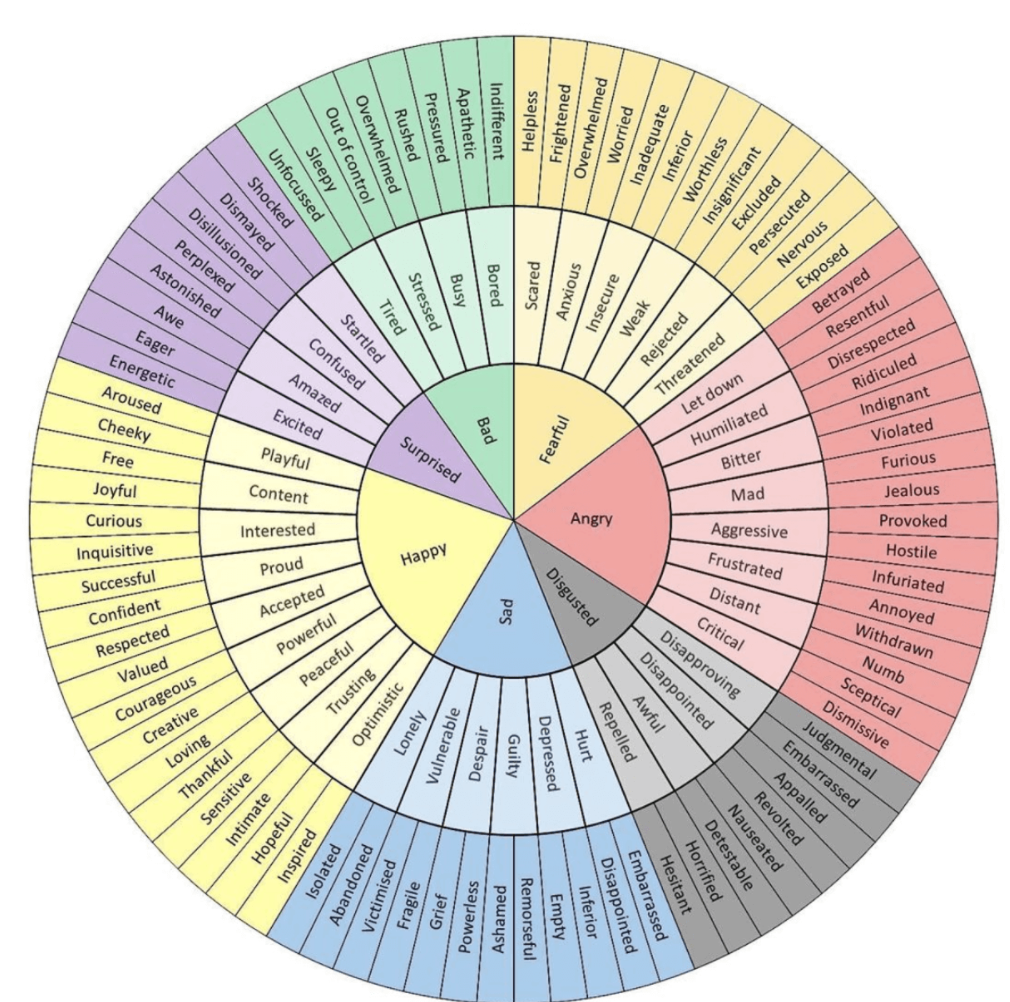
By grounding AI in these psychological foundations, developers can create systems that interact with us on a more human level. The ultimate aim is not to replace human connection, but to make our interactions with technology smoother, more productive, and less frustrating.
However, such Human-AI collaboration poses challenges for more complex, creative tasks, such as carrying out empathic conversations, due to difficulties of AI systems in understanding complex human emotions and the open-ended nature of these tasks.
Now, let's test your knowledge on the basics of affective computing.
What is the primary goal of affective computing?
The core concept of affective computing is about making machines feel emotions just like humans do.
Understanding the basics of affective computing is the first step toward appreciating how AI is becoming more attuned to the human experience.