Emotional Resilience in University Students
Understanding Emotions
What Are Emotions?
We talk about our feelings all the time. We say we're happy, angry, or sad. But what is an emotion, really? It's more than just a passing feeling. Emotions are complex reactions that involve your mind, your body, and your behavior.
Emotion
noun
A complex reaction pattern, involving experiential, behavioral, and physiological elements, by which an individual attempts to deal with a personally significant matter or event.
Think of an emotion as your body's information system. When you face a situation, your brain and body work together to produce a response. This response is an emotion, and it’s designed to grab your attention and motivate you to act. For example, feeling fear when you see a snake motivates you to back away. Feeling joy when you see a friend motivates you to connect with them.
The Basic Flavors of Feeling
While we can experience a huge range of feelings, psychologists often group them into a few basic, universal categories. These core emotions act as the foundation for more complex feelings. Robert Plutchik, a psychologist, created a 'wheel of emotions' to show how these feelings relate to each other.
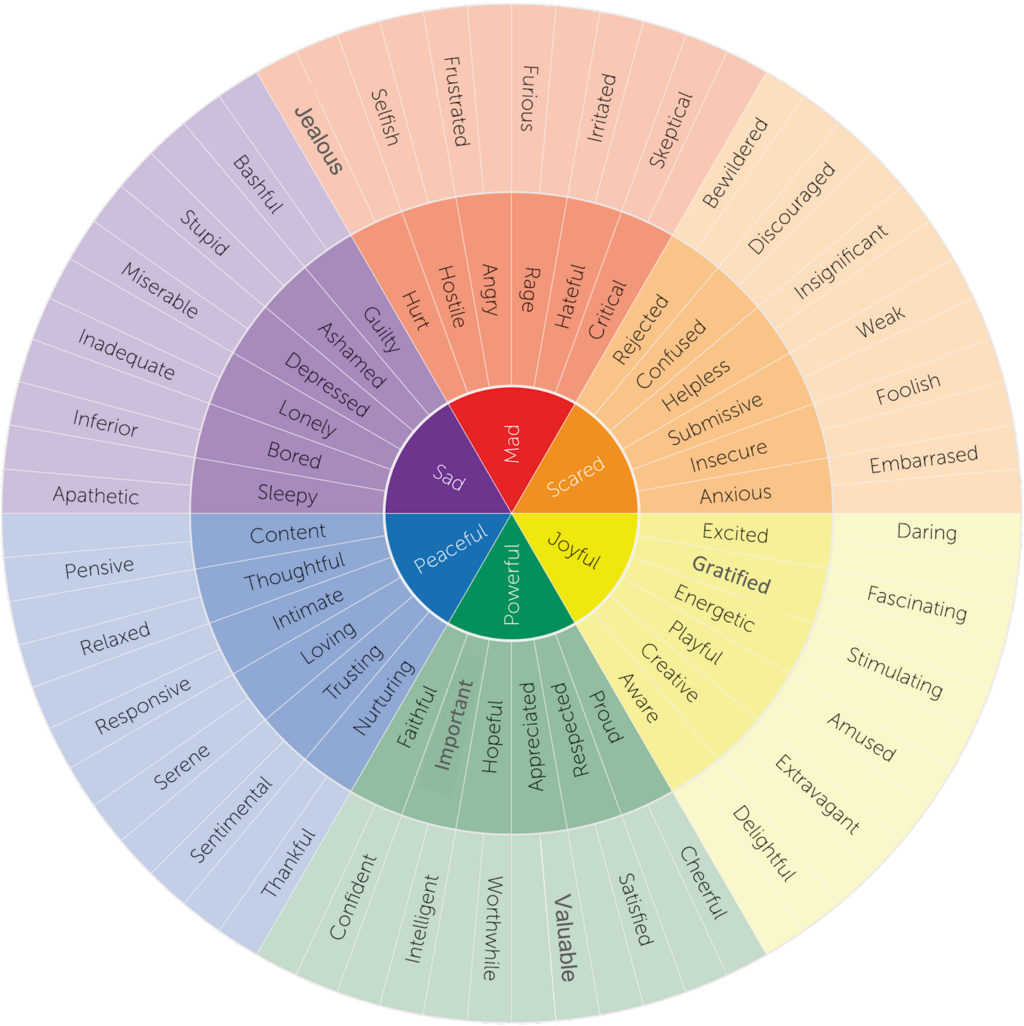
The most common core emotions include joy, sadness, anger, fear, surprise, and disgust. More nuanced feelings are often combinations or different intensities of these basics. For instance, annoyance is a milder form of anger, while rage is a more intense version. Similarly, optimism can be seen as a blend of joy and anticipation.
How Emotions Affect Us
Emotions aren't just in your head; they are full-body experiences. When you feel a strong emotion, your body reacts physically. This is often called the 'fight or flight' response, especially with emotions like fear or anger. Your heart might race, your breathing might get faster, and you might start to sweat. These are signs that your nervous system is preparing your body to face a challenge.
At the same time, emotions have a powerful psychological effect. They act like a filter, changing how we see the world and influencing our thoughts. When you're happy, you're more likely to focus on positive things and think optimistically. When you're sad, you might notice more of the negative aspects of a situation. Our thoughts, feelings, and behaviors are all interconnected, each influencing the others.
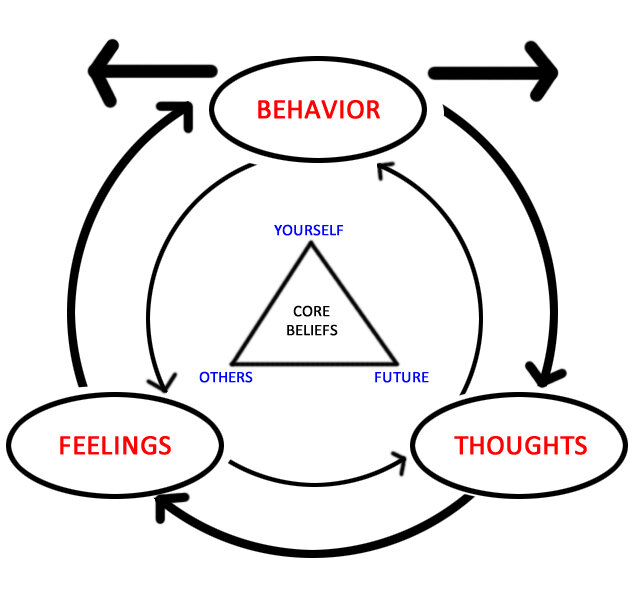
This link between emotion and thought is why our feelings have such a big impact on our decisions. An angry driver is more likely to make a risky move. Someone feeling anxious about an exam might decide to procrastinate instead of study. Our emotions provide quick, intuitive data that guides our choices, often before our logical brain has time to weigh the pros and cons.
Becoming Emotionally Aware
Since emotions have such a strong influence, learning to recognize them is a critical skill. This is called emotional awareness. It's the ability to notice what you're feeling, when you're feeling it.
Awareness is the first step towards managing emotions and a better mood.
Emotional awareness starts with paying attention to the signals from your body and mind. Ask yourself simple questions:
- What am I feeling in my body right now? (e.g., tense shoulders, a knot in my stomach)
- What thoughts are running through my head?
- What's my impulse? What do I feel like doing?
Just pausing to check in with yourself can help you identify your emotional state. The next step is to put a name to the feeling. It's not enough to say you feel 'bad'. Are you frustrated, disappointed, lonely, or overwhelmed? Being specific helps you understand the situation more clearly.
Simply naming your emotions can help you get a better handle on them. It's the first step from reacting blindly to responding thoughtfully.
Now that you can better identify your emotions, let's test your knowledge.
What is the primary role of an emotion?
According to psychologist Robert Plutchik and the concept of core emotions, how is a complex feeling like 'optimism' formed?
Understanding what emotions are and how they work is the foundation for navigating your inner world. By recognizing these powerful signals, you can begin to understand yourself and your actions more deeply.