Emotional Intelligence in AI
Introduction to Emotional Intelligence
Understanding Emotions
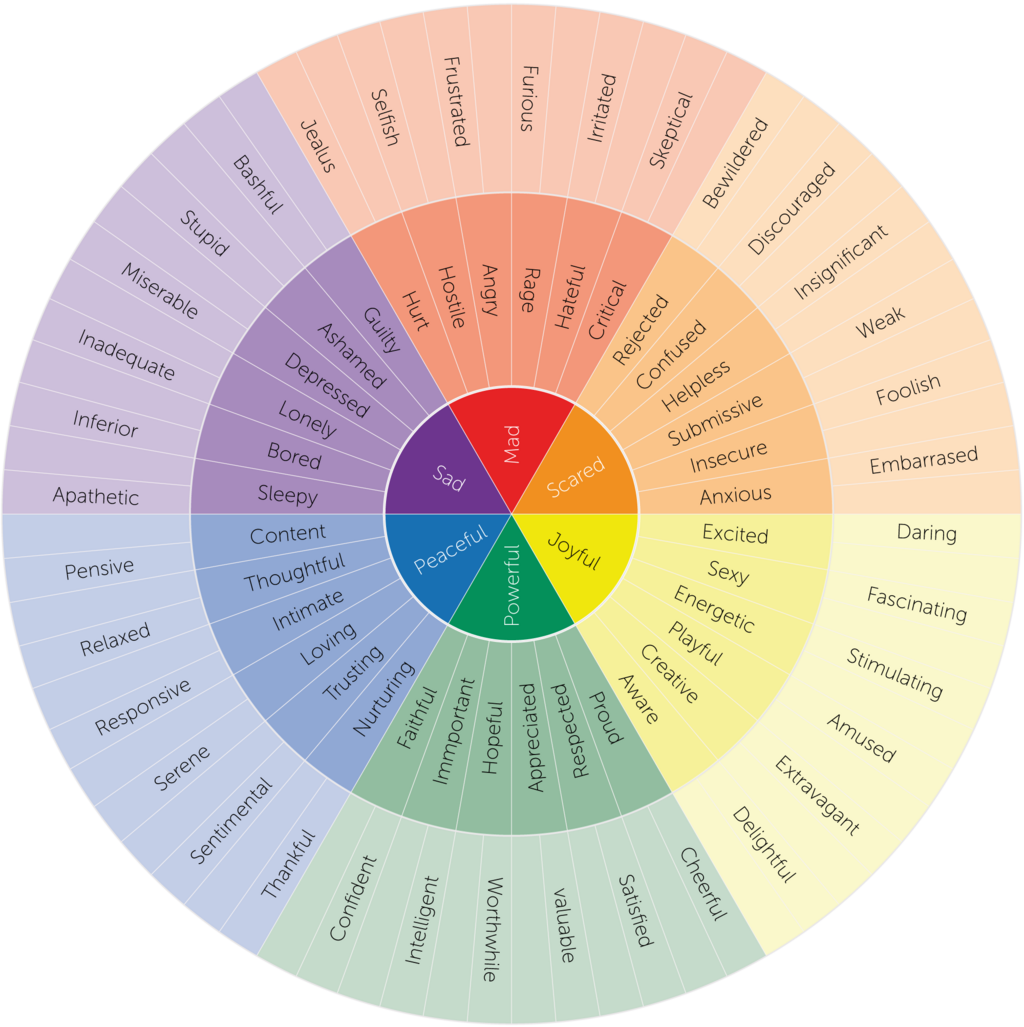
Emotional intelligence isn't about being overly emotional or suppressing your feelings. It's about recognizing, understanding, and managing emotions, both your own and those of others. Think of it as a different kind of smarts. While intellectual intelligence (IQ) helps you solve a math problem, emotional intelligence (EQ) helps you navigate the complexities of a team project or a difficult conversation.
Emotional intelligence is the ability to make emotions work for you, not against you. It's what allows you to guide your behavior and thinking in a way that gets you closer to your goals.
This skill is crucial in nearly every aspect of life. It affects how we build relationships, make decisions under pressure, and manage stress. A high EQ can be the difference between a productive disagreement and a destructive argument. It helps you understand what another person is feeling, even when they don't say it outright.
The Five Pillars of EQ
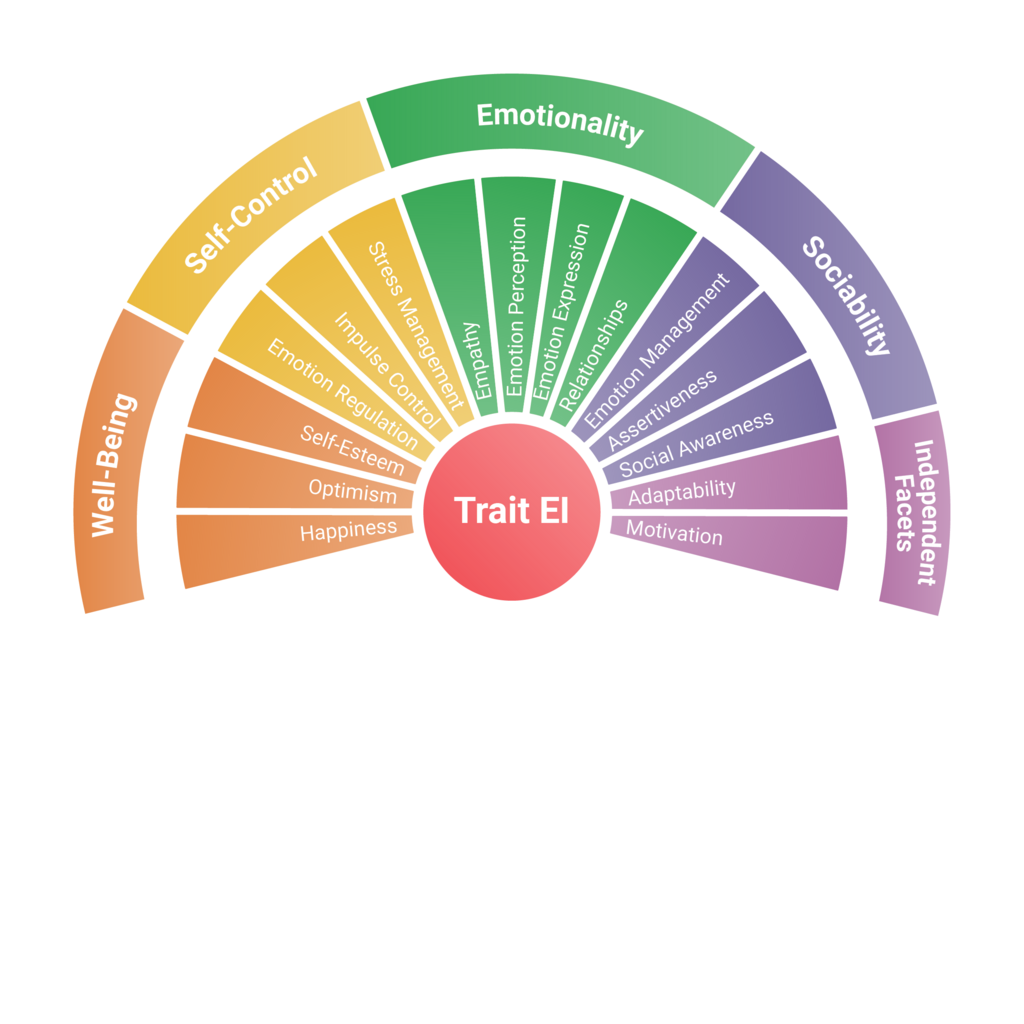
Emotional intelligence is often broken down into five core components. Mastering these areas can have a profound impact on your personal and professional life.
1. Self-Awareness This is the foundation. It’s the ability to recognize your own emotions and how they affect your thoughts and behavior. If you know you get irritable when you're hungry, that's self-awareness. You understand your emotional triggers and your personal strengths and weaknesses.
Someone with strong self-awareness can identify their feelings and why they are feeling that way. They don't just feel angry; they recognize that their anger stems from feeling unheard or disrespected.
2. Self-Regulation Once you're aware of your emotions, the next step is managing them. Self-regulation is about controlling impulsive feelings and behaviors. Instead of lashing out when you're angry, you can express yourself calmly and constructively. It's about thinking before you act.
This skill also involves managing stress, adapting to changing circumstances, and staying committed to your principles, even when it's difficult.
3. Motivation This component is about what drives you. People with high emotional intelligence are often motivated by more than just money or status. They are driven by an internal desire to achieve their goals. They are passionate about what they do, seek out creative challenges, and are highly productive.
This inner drive pushes them to overcome setbacks and pursue long-term success. It’s the optimism and resilience to keep going when things get tough.
4. Empathy Empathy is the ability to understand the feelings of others. It means putting yourself in someone else's shoes and seeing a situation from their perspective. It's more than just feeling sorry for someone; it's about truly grasping their emotional state.
This is a critical skill for building strong, healthy relationships. In a professional setting, empathy allows leaders to understand their team's needs and customers to feel understood and valued.
5. Social Skills This pillar ties all the others together. Social skills involve managing relationships to move people in the desired direction. This includes clear communication, influence, and the ability to build rapport. It's about being an effective team player and a persuasive leader.
People with strong social skills are adept at managing disputes, communicating clearly, and inspiring others. They build extensive networks because they can find common ground with all kinds of people.
Why It Matters
Emotional intelligence directly impacts the quality of our interactions. In our personal lives, it helps us build deeper connections with friends and family. It allows us to communicate our needs effectively and to be there for others when they need support. Misunderstandings are less frequent when we can read emotional cues and manage our own reactions.
Professionally, EQ is just as vital. It's a key ingredient for effective leadership, teamwork, and customer service. A manager with high EQ can motivate their team and create a positive work environment. A team with emotionally intelligent members collaborates more smoothly and resolves conflicts with less friction. The ability to connect with others on an emotional level builds trust and cooperation, which are essential for success.
Which of the following best defines emotional intelligence (EQ)?
A team member misses a deadline. Instead of reacting with immediate frustration, their manager considers the team member's recent personal struggles and then schedules a supportive conversation. Which two components of emotional intelligence is the manager primarily demonstrating?
Developing emotional intelligence is a lifelong journey, but understanding its core components is the first and most important step.