Emotional Dynamics of Attachment and Security
Attachment Adaptation Mechanics
The Unsolvable Problem
At its core, attachment is a biological imperative. An infant's nervous system is wired with a simple, powerful directive: seek proximity to a caregiver for safety and regulation. This drive is as fundamental as hunger or thirst. When a threat appears, the instinct is to move closer to the protector. But what happens when the protector is also the threat?
This creates a biological paradox. The drive to approach for safety clashes directly with the survival instinct to flee from danger. The brain receives two contradictory commands at once: “Go here for comfort” and “Run from this person to survive.” For an infant, whose brain is still developing and lacks the capacity for complex reasoning, this situation is profoundly disorganizing. It's an unsolvable problem, a state often called fright without solution
Disorganized (or fearful-avoidant) attachment develops when caregivers were both the source of comfort and the source of fear, often due to abuse, severe neglect, or the caregiver’s own unresolved trauma.
This isn't just about a caregiver having a bad day. It stems from a pattern where the caregiver's behavior is frightening or unpredictable. They might be intrusive and overwhelming one moment, then withdrawn and neglectful the next. They might respond to a child's cry with anger, or seem frightened of the child themselves. The infant’s attempts to connect are met with behavior that activates their threat-detection circuits. The nervous system is thrown into chaos, unable to execute a coherent strategy for safety.
Survival Blueprints
Faced with this impossible situation, the brain doesn't just give up. It adapts. It develops an internal working model that reflects the reality of its environment: relationships are unpredictable and potentially dangerous. This model isn't a conscious choice; it's a survival blueprint forged in the non-verbal, emotional centers of the brain. It’s a set of expectations and behaviors designed to navigate a world where the source of safety is also a source of terror.
These adaptive strategies are often contradictory because the environment itself is contradictory. The child might approach the caregiver but then suddenly freeze, averting their gaze. They might start to cry but then stop abruptly, perhaps with an odd expression. Some may exhibit aggression toward the caregiver or engage in self-soothing behaviors like rocking. These are not random acts; they are fragmented, momentary attempts to solve the unsolvable problem. Freezing stops the approach. Averting the gaze breaks the frightening connection. Each is a partial activation of a survival strategy.
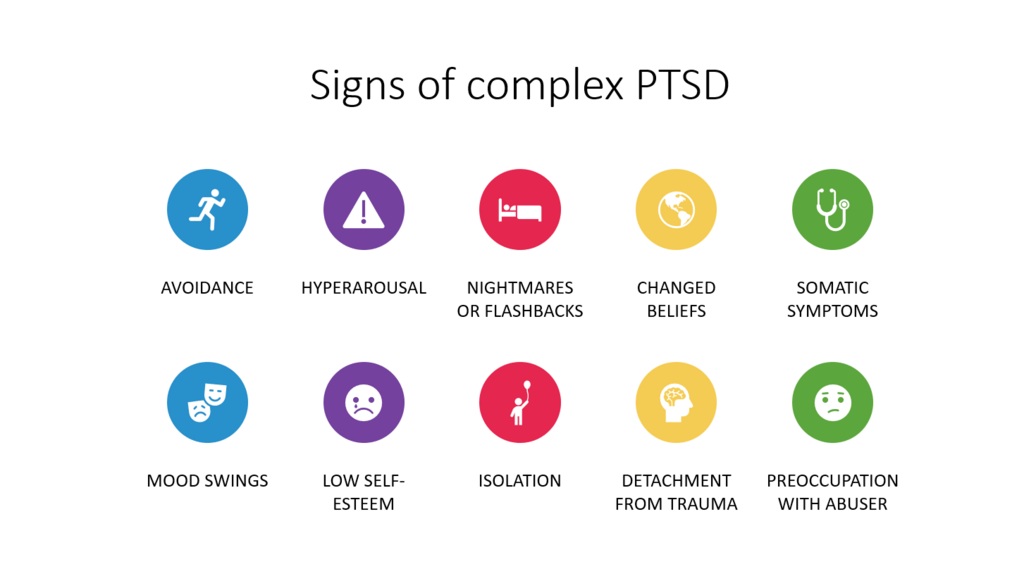
One common adaptation is dissociation, a mental escape when a physical one isn't possible. The child learns to disconnect from their body, their emotions, or the situation itself. Another is the attempt to control the caregiver's behavior, sometimes by being excessively compliant or, conversely, by acting out to keep the caregiver's attention focused. These strategies, while brilliant for surviving a chaotic childhood, become the foundation for later relational difficulties. The is carried into adulthood, where it continues to operate, often outside of conscious awareness.
The Spectrum of Disorganization
In adulthood, these early strategies manifest as a push-pull dynamic in relationships. The desire for closeness is intense, but as intimacy grows, so does the fear. The internal working model screams that closeness is dangerous. This can lead to a confusing pattern of seeking connection and then sabotaging it when it becomes too real. The person might pull a partner close, only to push them away with anger, criticism, or sudden emotional withdrawal.
This internal conflict is exhausting. It's a constant negotiation between the fundamental human need for connection and a deeply ingrained, trauma-based belief that connection leads to pain.
There isn't one single way disorganized attachment looks. It's a spectrum. Some individuals may lean more toward anxious behaviors, constantly seeking reassurance but never feeling secure. Others might lean more avoidant, keeping partners at a distance to preemptively avoid the anticipated pain of rejection or betrayal. Many oscillate between the two, creating a volatile and unpredictable relational style. This is the adult expression of the child's dilemma: unable to settle on a single, coherent strategy for relating to others.
Understanding these patterns as logical adaptations to an impossible early environment is key. It moves the focus from shame and pathology to compassion and insight. These are not character flaws but deeply learned survival strategies that have outlived their original purpose.