Emotional Depth for Young Actors
Physical Tear Triggers
Your Body's Tear Buttons
Sometimes, tears come from feelings. Other times, they're just a physical reaction. Think about when you get something in your eye or when a big yawn makes your eyes water. Your body has triggers that can produce tears without any strong emotions involved. Understanding these physical hacks can help you understand how your body works.
Simple Physical Triggers
One of the easiest ways to make your eyes water is to simply not blink. You can try a gentle staring contest with your child. The goal isn't to strain, but to let the eyes' natural defenses kick in. When you keep your eyes open longer than usual, the protective tear film starts to evaporate. Your brain senses the dryness and tells your eyes to produce reflexive tears to keep them moist and safe.
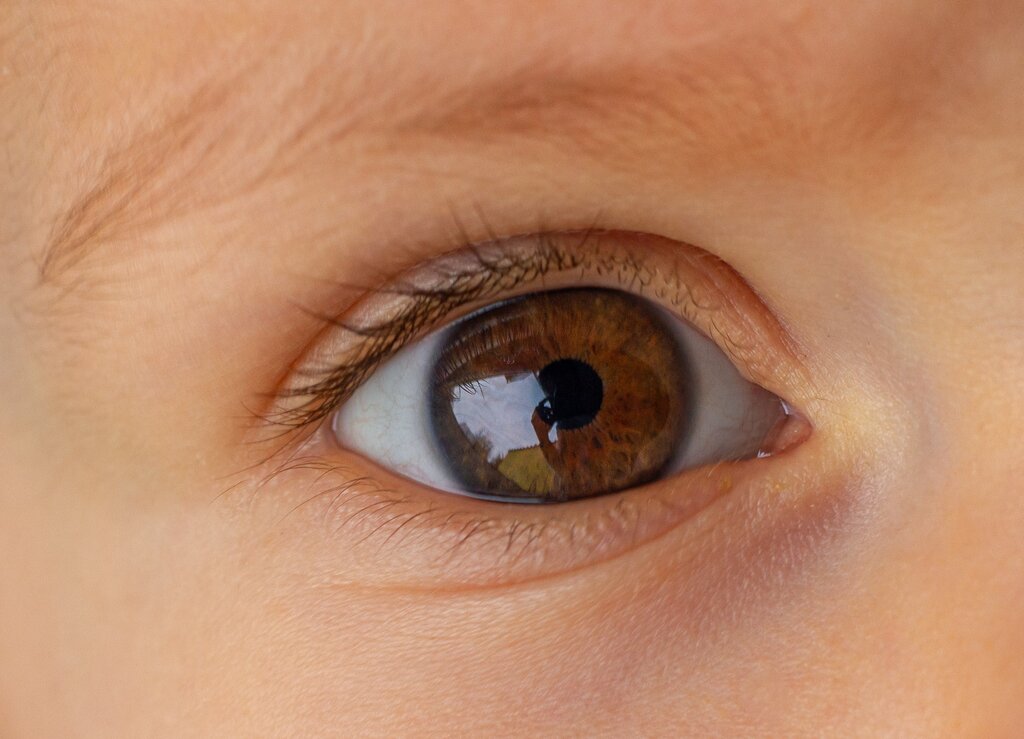
Stop immediately if there’s any discomfort. This isn't about endurance, but about observing a cool biological process in action.
A gentle, no-pressure staring contest is a simple way to see reflexive tears in action. The first to blink or tear up wins!
Another trick is the subtle yawn. You don't need a full, open-mouthed yawn. Just stretching the jaw muscles as if you're about to yawn can put gentle pressure on the lacrimal glands, which are the body's tear factories. This little squeeze can be enough to release a few tears.
Breathing patterns can also play a role. Taking short, shallow breaths can mimic the way we breathe when we're sobbing. This pattern can send signals to the nervous system that are associated with distress, sometimes triggering a physical tear response even when no sad feelings are present. It's like your body is following a physical script for crying.
The Fuel for Tears
Just like a car needs gas, your body needs water to make tears. If a child is dehydrated, it's much harder for their body to produce tears, whether from emotion or a physical trigger. Staying well-hydrated ensures all of the body's systems, including its tear-making ones, are ready to go.
When guiding your child through these exercises, the key is to be gentle and playful. The goal is to learn about the body's amazing functions, not to force a reaction. Always prioritize comfort and stop if anything feels strained or uncomfortable.
Ready to check your understanding of how the body can produce tears?
What are the body's tear-producing glands called?
According to the text, why does not blinking for a while cause your eyes to water?