Emerging Tech for CHROs
Introduction to Emerging Technologies
What Are Emerging Technologies?
Emerging technologies are tools and systems that are just beginning to gain traction but have the potential to cause significant change. Think of them not just as new gadgets, but as new ways of doing things that could reshape entire industries.
Their defining traits are rapid growth, disruptive potential, and a degree of uncertainty. We don't always know exactly how they'll evolve, but we know they're going to be important.
Twenty years ago, cloud computing was an emerging technology. It was a novel idea with unclear long-term potential. Today, it’s the backbone of modern business. The same was true for smartphones and social media. The technologies that feel new and maybe a little abstract today will be standard operating procedure tomorrow.
Why They Matter for Business
Staying current with technology isn't just about staying relevant; it's about maintaining a competitive edge. Companies that ignore technological shifts risk becoming obsolete. Blockbuster Video famously passed on buying Netflix, underestimating the power of streaming—an emerging technology at the time. We all know how that story ended.
Embracing new technologies allows organizations to create more efficient processes, develop innovative products, and deliver better customer experiences. It opens doors to new markets and business models that were previously impossible. Ignoring them means letting your competitors seize those opportunities first.
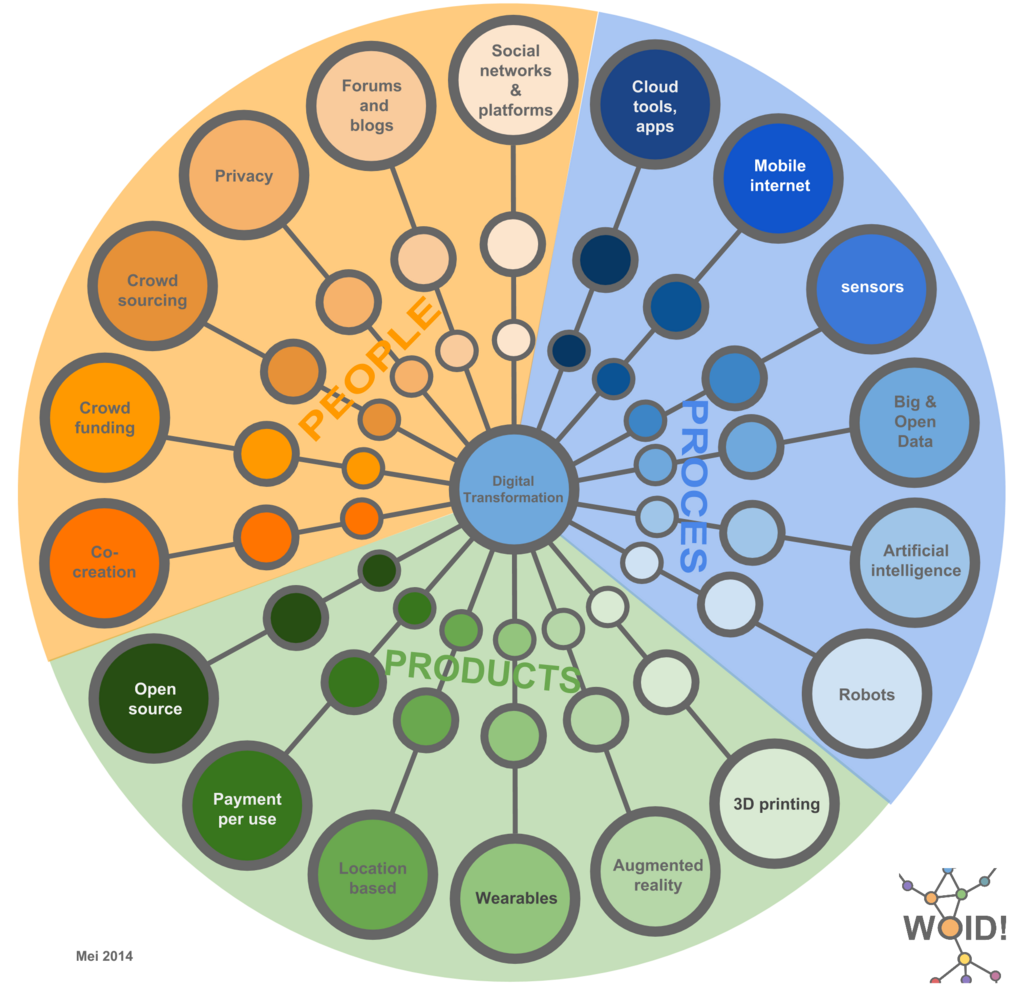
The Ripple Effect Across the Company
Technological advancements aren't confined to the IT department. Their impact spreads throughout every function of an organization.
- Operations: Automation and AI can streamline supply chains and manufacturing.
- Marketing: Data analytics and machine learning enable highly personalized customer outreach.
- Finance: Blockchain technology offers new levels of security and transparency in financial transactions.
Each department must adapt. But more importantly, they must learn to collaborate in new ways, breaking down old silos to leverage these tools effectively. This is where the human element becomes critical.
A New Era for Human Resources
As a CHRO, your role is at the center of this transformation. Technology isn't just changing how work gets done; it's changing the work itself. This shift requires a new approach to talent, culture, and organizational design.
Emerging technologies directly impact core HR functions. They can revolutionize how you attract and hire talent, create a more engaging employee experience, and foster a culture of continuous learning. They also provide the tools to make data-driven decisions about your workforce, moving HR from a support role to a strategic driver of the business.
This course is critical for organizations aiming to transform HR from a support function to a strategic partner.
Understanding these technologies is the first step. It allows you to anticipate future skill gaps, guide leadership through change, and build a workforce that is agile, resilient, and ready for what's next. The following sections will explore the specific technologies driving this change and how you can harness them for your organization.