Emergency Savings for Medical Costs
Understanding Emergency Funds
Your Financial Safety Net
Life is full of surprises, and not all of them are good. A sudden car repair, an unexpected medical bill, or a job loss can throw your finances into chaos. That's where an emergency fund comes in. Think of it as a personal financial safety net, money set aside specifically for these kinds of unforeseen events.
An emergency fund is savings reserved for urgent, unexpected expenses. It's not for planned purchases like vacations or a new phone; it's for true emergencies that could otherwise force you into debt.
The main purpose of this fund is to provide a financial cushion. It protects you from having to make difficult choices, like dipping into retirement savings or racking up high-interest credit card debt when something goes wrong. With an emergency fund, you have a resource to draw from, giving you peace of mind and stability during a stressful time.

How Much Is Enough?
The most common guideline is to save three to six months' worth of essential living expenses. This includes costs you must cover each month, like your rent or mortgage, utilities, food, transportation, and insurance premiums. It doesn't typically include discretionary spending like entertainment or dining out.
To figure out your target, calculate the bare minimum you need to get by for one month. Then, multiply that number by three and six to get your savings range. For example, if your essential monthly expenses are $2,000, your goal would be to save between $6,000 and $12,000.
Most experts recommend saving three to six months’ worth of living expenses into an emergency fund.
That might sound like a lot, and it's okay if you can't get there overnight. The most important step is just to start. Even a small amount can make a huge difference.
If a six-month goal feels overwhelming, aim for a smaller, more achievable target first, like saving 💲500 or 💲1,000. Any cushion is better than no cushion at all.
The Benefits of Being Prepared
Having an emergency fund offers more than just access to cash. It fundamentally changes how you handle financial shocks.
The biggest benefit is avoiding debt. When an unexpected $1,500 expense pops up, you can pay for it with your savings instead of putting it on a credit card. This saves you from paying interest and keeps you from falling into a cycle of debt that can be difficult to escape.
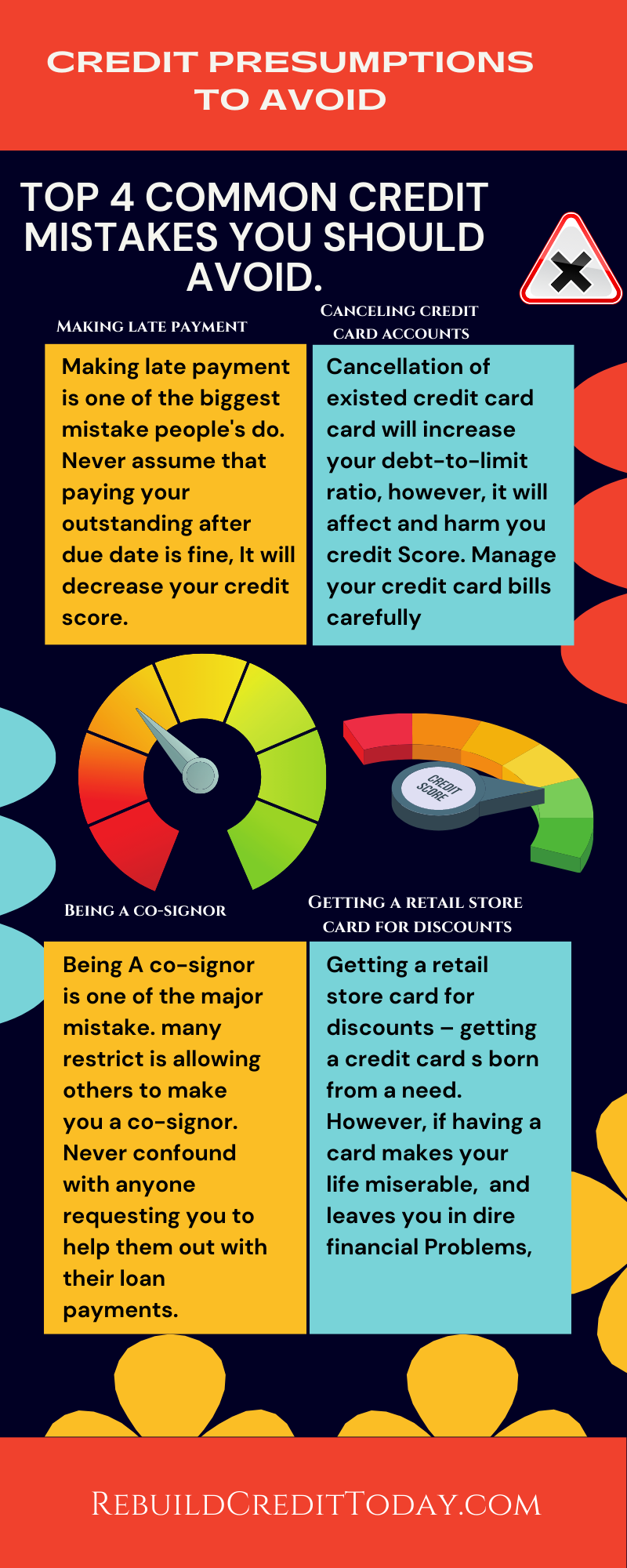
This financial buffer also provides incredible peace of mind. Knowing you have money set aside to handle a crisis reduces stress and anxiety. It allows you to focus on resolving the emergency itself, rather than worrying about how you're going to pay for it.
It’s important to be disciplined about what constitutes a real emergency. This fund should only be touched for true, unforeseen needs.
| What It's For | What It's NOT For |
|---|---|
| Sudden job loss | A planned vacation |
| Urgent medical or dental bills | Holiday shopping |
| Emergency car repairs | A down payment on a car |
| Critical home repairs (e.g., broken furnace) | A kitchen remodel |
Let's review the key ideas about emergency funds.
Now, let's check your understanding.
What is the primary purpose of an emergency fund?
The common guideline suggests saving three to six months' worth of your total income in an emergency fund.
Building an emergency fund is a foundational step toward financial health. It's a practical tool that provides security and prepares you for whatever life throws your way.