Emergency Savings for Medical Costs
Understanding Emergency Savings
Your Financial Safety Net
Life is full of surprises, and not all of them are pleasant. A sudden car repair, an unexpected job loss, or a medical issue can throw your finances into chaos. This is where an emergency fund comes in. It’s a pool of money set aside specifically for these kinds of unforeseen expenses.
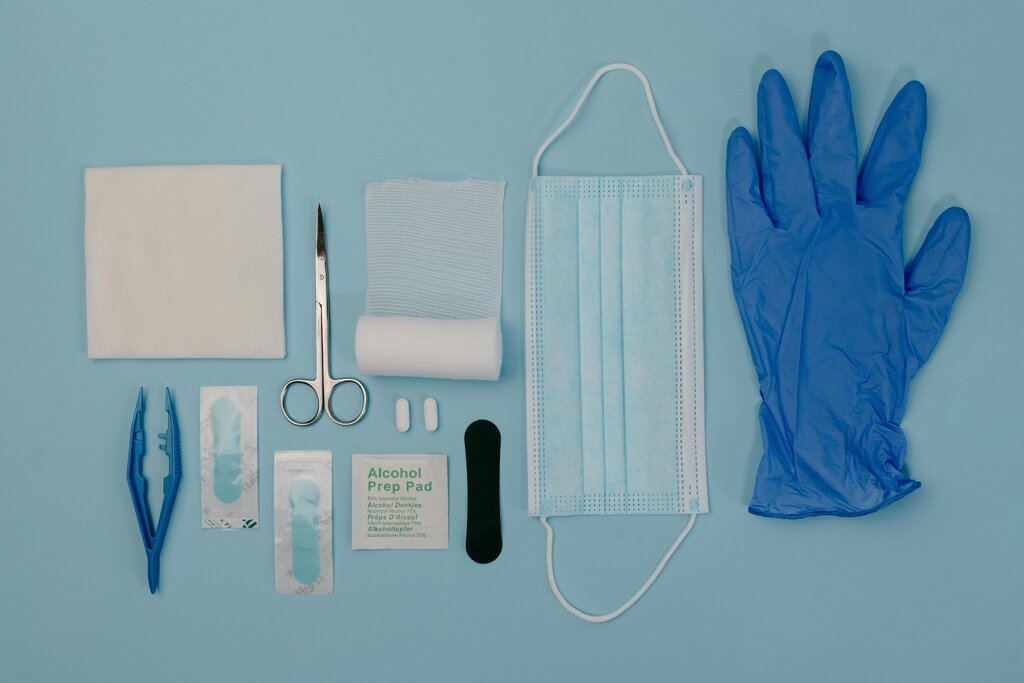
Think of it as your personal financial first aid kit. You hope you never have to use it, but you're relieved it's there when you do.
The main purpose of this fund is to cover essential costs when you're in a pinch, allowing you to handle emergencies without derailing your long-term financial goals or going into high-interest debt. It's not for planned purchases like a vacation or a new phone; it's a buffer against the unexpected.
How Much Is Enough?
The standard recommendation is to save three to six months' worth of essential living expenses. This includes costs you absolutely must cover, like housing, utilities, food, transportation, and insurance premiums. It does not include discretionary spending like entertainment or dining out.
To calculate your target, add up your essential monthly bills and multiply that number by three, and then by six. Your goal amount lies somewhere in that range. If your income is unstable or you have dependents, aiming closer to six months is a safer bet. If you have a very stable job and low expenses, three months might be sufficient.
Aim to have up to six months’ worth of living expenses saved in an easily accessible emergency fund to cushion the impact of unforeseen events.
The Payoff of Preparation
The most significant benefit of an emergency fund is peace of mind. Knowing you have a financial cushion can dramatically reduce stress during a crisis. Instead of panicking about how to pay an urgent bill, you can focus on resolving the actual problem.
An emergency fund also helps you avoid debt. Without savings, many people turn to credit cards or high-interest loans to cover emergencies. This can start a cycle of debt that's difficult to break. Your fund allows you to pay for the unexpected with cash you already have, keeping your financial health intact.
Getting Started When It's Hard
Building a substantial savings fund can feel daunting, especially if your budget is tight. One of the biggest challenges is simply finding extra money to set aside. It’s also easy to feel discouraged when your goal seems so far away.
Another common hurdle is distinguishing a true emergency from a simple want. The temptation to dip into your savings for a non-essential purchase can be strong. This is why it's crucial to have a clear definition of what constitutes an emergency for you.
Having even a small emergency fund (e.g., $300–$500) can keep you from relying on credit cards or loans in tough situations.
The key is to start small. Don't fixate on the final three-to-six-month goal. Instead, focus on saving your first $500. This smaller, more achievable target can build momentum and confidence. Automating your savings is another powerful strategy. Set up a recurring automatic transfer from your checking account to a separate savings account, even if it's just a small amount each payday. You'll be surprised how quickly it adds up when you're not actively thinking about it.
Treat your savings contribution like any other bill. By paying yourself first, you prioritize your financial security and make steady progress toward your goal.