Emergency First Aid and CPR-C Mastery 2025
Universal Chain of Survival
A Unified Chain of Survival
In emergency response, a clear, simple plan is crucial. Previously, first aid guidelines used separate 'Chains of Survival' for adults, children, in-hospital, and out-of-hospital cardiac arrests. While detailed, this could create hesitation in a crisis. The 2025 guidelines from the Heart & Stroke Foundation and Red Cross streamline this into a single, Universal Chain of Survival.
This unified model applies to any person, any age, anywhere. It simplifies the steps for a layperson, focusing on a sequence of critical actions that significantly increase the chance of survival.
Each link represents a vital action. The strength of the chain depends on the successful completion of every step, performed as quickly and effectively as possible. Let's look at each link.
The First Four Links
1. Prevention and Preparedness
The best way to survive a cardiac arrest is to prevent it from happening. This link covers lifestyle factors like diet and exercise that reduce cardiovascular risk. It also includes preparedness: learning first aid skills, knowing the location of the nearest Automated External Defibrillator (), and having an emergency plan.
2. Early Recognition and Activation
This is the critical starting point of any response. It involves recognizing the signs of cardiac arrest—unresponsiveness and abnormal or absent breathing—and immediately activating the emergency response system, such as by calling 911. Any delay here reduces the effectiveness of all subsequent links. A person in cardiac arrest might take a few strange, gasping breaths. This is called and should be treated as a sign of cardiac arrest, not as normal breathing.
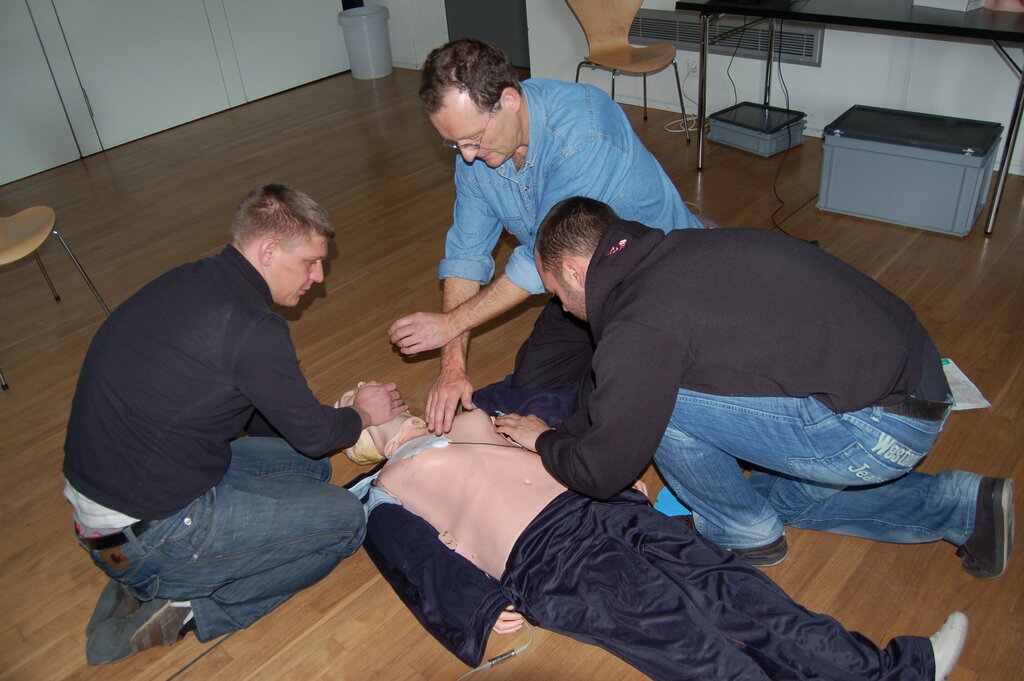
Calling 911, checking for breathing and a pulse, starting cardiopulmonary resuscitation (CPR) -- all are part of the chain of survival.
3. High-Quality CPR
Once emergency services are on the way, immediate cardiopulmonary resuscitation (CPR) is the next step. High-quality CPR involves pushing hard and fast on the centre of the chest with minimal interruptions. This action doesn't restart the heart, but it manually circulates oxygenated blood to the brain and other vital organs, buying critical time until a defibrillator arrives.
4. Rapid Defibrillation
The most common cause of sudden cardiac arrest is an electrical problem in the heart called ventricular fibrillation. The only effective treatment is an electrical shock from a defibrillator. The sooner this shock is delivered, the higher the chance of survival. This is why public access to AEDs is so important. For every minute that passes without defibrillation, the chance of survival drops by about 10%.
Professional Care and Beyond
While the first four links are often initiated by laypeople, the final two involve professional medical care and long-term support.
5. Advanced Life Support and Post-Cardiac Arrest Care
This link begins when paramedics or other healthcare professionals arrive. They provide advanced care, including medications and securing the airway, both on-scene and during transport to a hospital. Once at the hospital, specialized care focuses on treating the underlying cause of the arrest and protecting the brain and other organs from damage.
6. Recovery and Survivorship
A major update in the universal chain is the formal inclusion of recovery. Surviving cardiac arrest is just the beginning. This final link addresses the long-term physical, cognitive, and emotional challenges survivors and their families may face. It includes structured rehabilitation, psychological support, and a gradual return to daily life. Recognizing recovery as an essential part of the chain ensures that the goal isn't just survival, but a return to a meaningful quality of life.
What was the primary reason for introducing a single, Universal Chain of Survival to replace the previous, multiple chains?
You witness someone collapse. They are unresponsive and taking infrequent, noisy gasps. What is this sign called and what should you do?
The Universal Chain of Survival provides a clear, actionable framework. By understanding each link, anyone can be prepared to make a life-saving difference.