Embroidery for Beginners
Embroidery Materials
Choosing Your Canvas
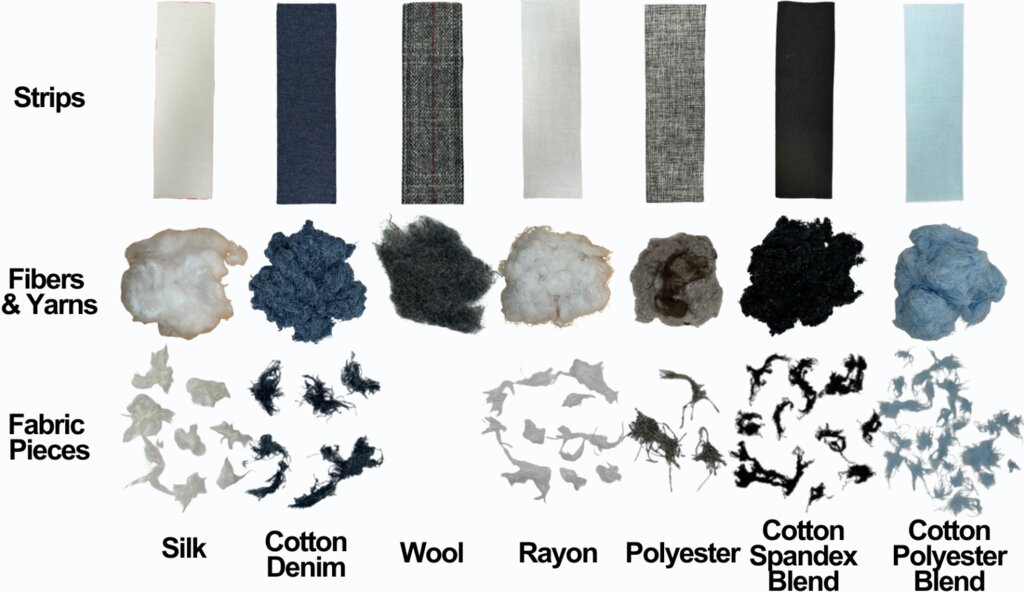
The foundation of any embroidery project is the fabric. While you can stitch on almost anything, from denim jackets to canvas shoes, starting with the right material makes learning much easier. Look for fabrics made from natural fibers like cotton, linen, or a blend of the two. These materials have a consistent weave that’s forgiving for beginners.
When you're at the craft store, you’ll likely see fabrics like quilting cotton, muslin, and linen blends. These are all excellent choices. They are sturdy enough to hold stitches but not so thick that pulling a needle through becomes a chore. A light-colored, solid fabric is ideal for your first few projects because it makes it easy to see your stitches and transfer your pattern.
Pro tip: Pre-wash and iron your fabric before you start stitching. This prevents your finished piece from shrinking or puckering after its first wash.
The Right Tool for the Job
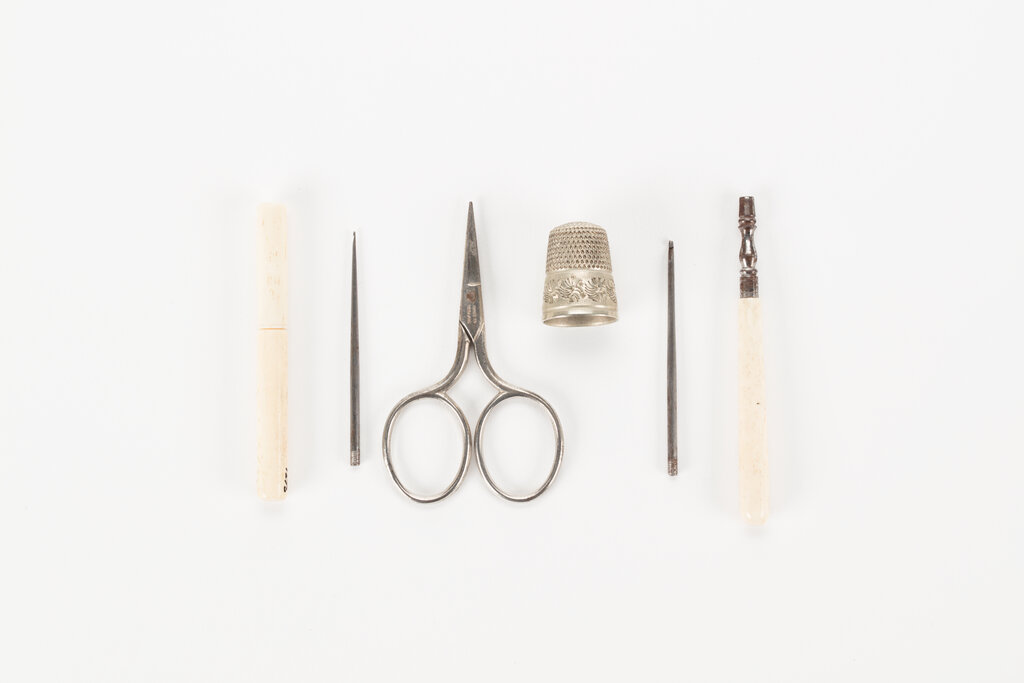
Embroidery needles might look simple, but they are designed for specific tasks. A standard embroidery needle, also called a crewel needle, has a sharp point and a medium-sized eye, making it a versatile choice for most projects. The sharp tip pierces tightly woven fabrics easily, and the eye is large enough to accommodate embroidery floss.
Needle sizes can be confusing because the numbering system is inverted: the larger the number, the smaller the needle. For general embroidery with a few strands of floss, a size 7 or 9 crewel needle is a great starting point. Many brands sell variety packs containing several sizes, which is a smart buy when you’re beginning.
| Needle Type | Best For | Eye Size | Point |
|---|---|---|---|
| Crewel | General embroidery | Medium | Sharp |
| Chenille | Thicker threads (wool) | Large | Sharp |
| Tapestry | Counted-thread (cross-stitch) | Large | Blunt |
Painting with Thread
Embroidery thread, often called floss, is what brings your design to life. The most common type is six-strand cotton floss. It comes in a small bundle called a skein, and as the name suggests, it’s made of six individual strands of thread twisted together.
This is where the magic happens. You can separate these strands to control the thickness of your stitches. For fine, delicate details, you might use only one or two strands. For a bolder, thicker line, you might use all six. Most patterns will specify how many strands to use. As a beginner, starting with two or three strands is usually a safe bet.
While cotton floss is the standard, you'll also find pearl cotton (which isn't separable and has a twisted, rope-like look), silk, metallic, and variegated threads that change color.
Keeping Things Taut
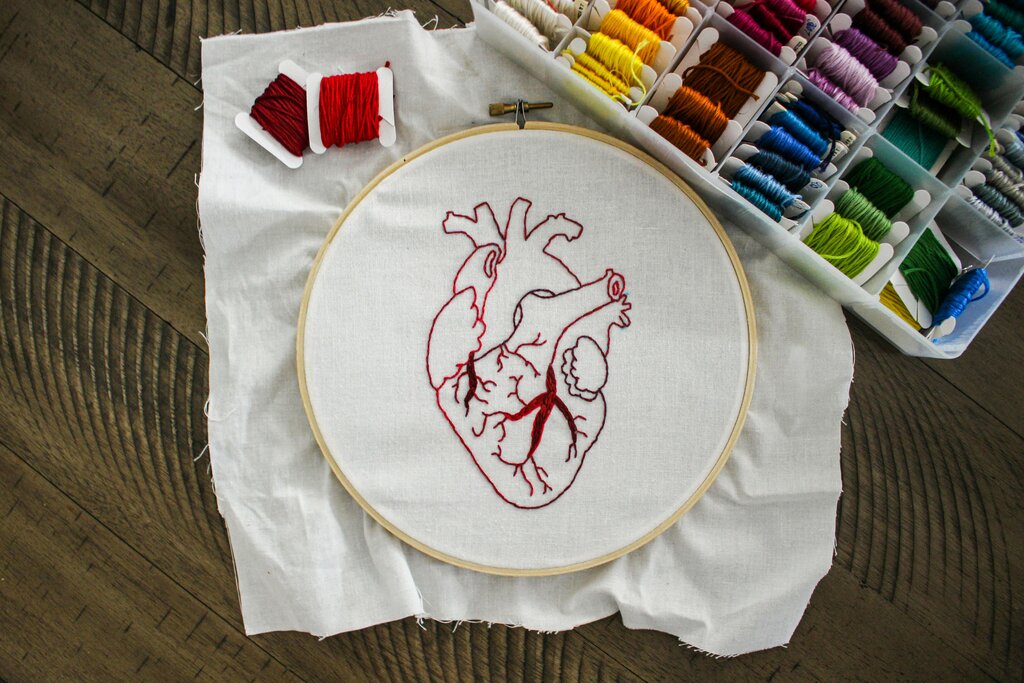
An embroidery hoop is your third hand. It consists of two rings, one fitting inside the other, and its job is to hold your fabric tight and flat while you stitch. This tension is key to creating neat, even stitches that don't pucker the fabric.
Choosing the right fabric, needle size, and thread count from the start prevents common frustrations like puckering and uneven stitches that trip up most beginners.
Hoops come in various materials, like wood and plastic, and a range of sizes. Wooden hoops are a classic choice and generally grip the fabric well. A medium-sized hoop, around 5 to 7 inches in diameter, is perfect for a beginner. It’s large enough to work on a decent-sized design but small enough to hold comfortably.
To use it, you’ll loosen the screw on the outer ring, place your fabric over the inner ring, and then press the outer ring down over it. Gently pull the edges of your fabric to make it taut, like the surface of a small drum, then tighten the screw to lock it in place.
With your fabric, needle, thread, and hoop, you have everything you need to start your first embroidery project. Now, let's review these key items.
Ready to test your knowledge?
For a beginner, why are natural fiber fabrics like cotton or linen recommended for embroidery?
You have two crewel needles, a size 5 and a size 9. Which one is smaller?
Getting your materials right sets you up for success. By choosing a simple fabric, a suitable needle, standard floss, and a sturdy hoop, you've already cleared the first hurdles of embroidery.