Embedded Finance and POS Lending
Introduction to Embedded Finance
Finance Inside Everything
Think about the last time you took an Uber. You requested a ride, got to your destination, and hopped out. The payment happened automatically, in the background. You didn't pull out a credit card or open a separate banking app. That seamless transaction is a perfect example of embedded finance.
Embedded finance is the integration of financial services—like payments, lending, or insurance—directly into a non-financial company's app or website. Instead of sending customers to a bank, the bank's services are brought directly into the customer's experience, right where they are.
It’s about making finance a native part of any digital experience, not a separate destination.
Why It's a Game Changer
For customers, the biggest win is convenience. It removes friction. Applying for a small loan to cover a purchase can happen right at checkout, with a couple of clicks. Buying travel insurance can be a simple add-on when you book a flight. Everything is faster and easier because it’s all in one place.
For businesses, the benefits are huge. By offering financial services, they create new streams of revenue. A retail store that offers 'buy now, pay later' options earns a small fee from the lending partner. This also boosts sales, as customers are more likely to buy if they have flexible payment options.
Embedding financial services also increases customer loyalty. When a platform solves more of your problems, you're more likely to stick with it. It streamlines operations and gives the business valuable data about customer purchasing habits, which can be used to improve their products and services.
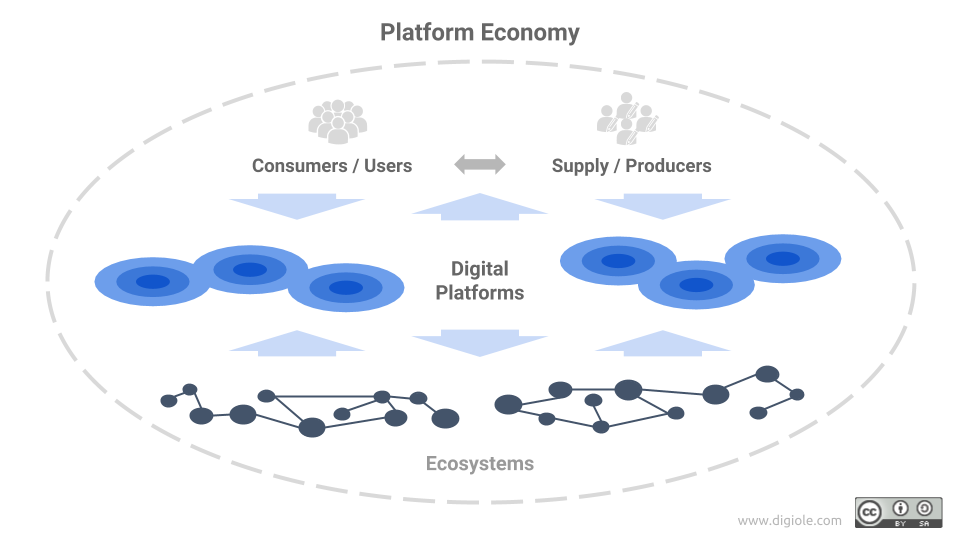
Embedded Finance in the Wild
Once you know what to look for, you'll see embedded finance everywhere. Here are a few common examples:
| Industry | Example |
|---|---|
| E-commerce | Offering 'Buy Now, Pay Later' (BNPL) plans at checkout. |
| Ride-sharing | Storing your card details for automatic, invisible payments. |
| Business Software | Accounting platforms that let you pay bills and send invoices directly. |
| Travel | Buying travel insurance as part of the flight booking process. |
| Health & Wellness | Apps that offer financing plans for expensive fitness equipment. |
In each case, the financial transaction is part of the natural flow of using the service. It’s not an interruption; it's part of the core experience.
What's Next?
Embedded finance is only going to become more common. As technology improves, financial services will be integrated in even smarter and more personalized ways. Imagine your smart fridge ordering and paying for groceries when you run low, or your car paying for its own charging session.
This trend is blurring the lines between industries. Tech companies are acting more like banks, and traditional financial institutions are partnering with them to stay relevant. The future of finance isn't a place you go to, but something that is simply built into the products and services you use every day.
Let's review the key concepts before moving on.
Now, check your understanding with a few questions.
What is the primary concept of embedded finance?
According to the text, what is the main benefit of embedded finance for the customer?
By making financial services more accessible and convenient, embedded finance is changing how we interact with money and commerce.