Embedded C Programming Fundamentals
Introduction to Embedded Systems
The Computer Inside Everything
Look around you. Chances are you're surrounded by dozens of computers, but you probably don't recognize most of them. They aren't desktops or laptops. They're hidden inside your microwave, your car's engine, your digital watch, and even your toaster. These are embedded systems.
Embedded System
noun
A computer system with a dedicated function, designed to operate as part of a larger mechanical or electrical device.
Unlike your phone or personal computer, which can run thousands of different apps, an embedded system typically does one thing forever. The system in your microwave is dedicated to heating food. The one in your TV remote only sends signals to the television. This focus on a single task is what makes them so powerful and efficient.
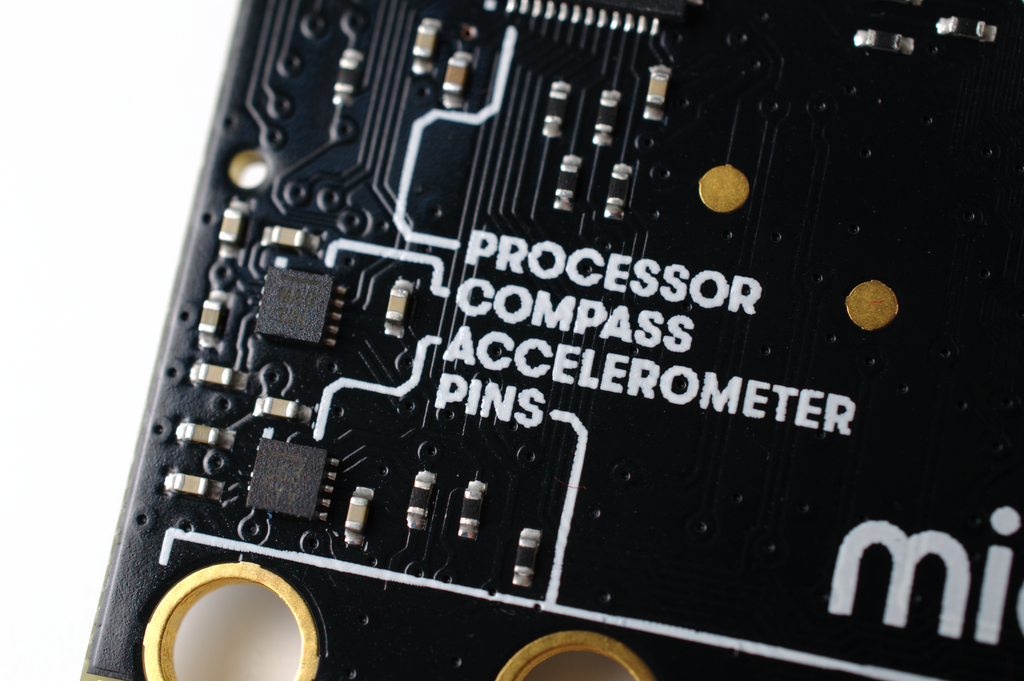
Not Your Average Computer
General-purpose computers and embedded systems are designed with different goals in mind. A laptop needs to be flexible, running everything from a web browser to a video game. An embedded system needs to be reliable, efficient, and often, very cheap.
| Feature | General-Purpose Computer (e.g., Laptop) | Embedded System (e.g., Microwave) |
|---|---|---|
| Primary Function | Multi-purpose, runs various software | Dedicated, single-function task |
| User Interface | Complex (keyboard, mouse, screen) | Simple (buttons, LEDs) or none at all |
| Resources | Abundant (gigabytes of RAM, fast CPU) | Constrained (kilobytes of RAM, slower CPU) |
| Operating System | Complex (Windows, macOS, Linux) | Simple (RTOS) or no OS |
| Cost | Hundreds or thousands of $ | Often just a few $ |
| Reliability | A crash is an inconvenience | A crash can be dangerous or catastrophic |
These differences lead to a unique set of challenges. Engineers building embedded systems are constantly balancing performance with tight constraints. They must worry about:
- Cost: When you're making millions of a product, saving a few cents per unit adds up to a lot of money.
- Power: Many systems run on batteries and must sip power to last for months or years.
- Size: The computer has to physically fit inside the product, whether it's a tiny fitness tracker or a medical implant.
- Real-time Operation: Many systems must respond to events instantly. An airbag can't wait a few seconds to deploy; it has to be immediate. This is called a real-time constraint.
The Microcontroller
The heart of most modern embedded systems is the microcontroller. Think of it as a complete, self-contained computer on a single chip. While a desktop computer's processor (a microprocessor) needs separate chips for memory and for connecting to devices like keyboards, a microcontroller has all of that built right in.
This all-in-one design makes microcontrollers compact, power-efficient, and cost-effective, which is exactly what embedded systems need.
- CPU (Central Processing Unit): The brain that executes program instructions.
- Memory: Includes RAM (for temporary data) and Flash or ROM (to store the program itself, which doesn't get erased when the power is off).
- Peripherals: These are the microcontroller's connections to the outside world. They include input/output (I/O) pins to read from sensors and control motors, timers to keep track of time, and communication interfaces to talk to other chips.
By integrating these essential components, a microcontroller provides a ready-made platform for building a dedicated-purpose computer. Our next step is to learn how to give that computer its instructions using the C programming language.
Time to check your understanding of these core concepts.
What is the primary characteristic that distinguishes an embedded system from a general-purpose computer like a laptop?
Why is a microcontroller, rather than a microprocessor, typically used in an embedded system?
This introduction lays the groundwork for everything we'll do next. Understanding what an embedded system is, and how a microcontroller serves as its core, is the first step toward programming one.