Email Marketing Mastery
Email Marketing Fundamentals
The Power of the Inbox
Email marketing is the process of sending targeted messages to a list of subscribers. Unlike social media, where you're essentially renting space on someone else's platform, your email list is an asset you own. It's a direct line of communication to people who have explicitly said they want to hear from you.
Think of it as the difference between shouting in a crowded town square and having a personal conversation in a quiet cafe. One is broad and fleeting; the other is focused and builds relationships. This direct connection is why email consistently delivers a high return on investment for businesses of all sizes. It's a reliable way to nurture leads, share updates, and drive sales.
Your email list is one of your most valuable business assets. It’s a direct, personal channel to your most engaged audience.
Types of Email Campaigns
Not all emails are created equal. Different messages serve different purposes. Understanding the main types of campaigns helps you send the right message at the right time.
Promotional emails are designed to drive a specific action, like making a purchase or registering for an event. These are your classic marketing messages: sales announcements, new product launches, and special offers.
Transactional emails are sent automatically in response to a user's action. Think of order confirmations, shipping notifications, or password resets. They are functional, expected, and tend to have very high open rates because the user is waiting for them.
Newsletters are all about building relationships and providing value. They are sent on a regular schedule (weekly, monthly) and often contain a mix of content like blog posts, company news, tips, or industry updates. The goal isn't an immediate sale, but to keep your audience engaged and your brand top-of-mind.
| Campaign Type | Primary Goal | Example |
|---|---|---|
| Promotional | Drive sales or a specific action | "Flash Sale: 25% off this weekend only!" |
| Transactional | Confirm an action or provide info | "Your order has shipped!" |
| Newsletter | Build relationships and provide value | "Our top 5 articles from September." |
How to Measure Success
Sending emails is just the first step. To know what's working, you need to track your performance. Key Performance Indicators (KPIs) are the specific metrics that tell you how your emails are doing.
Open Rate
noun
The percentage of subscribers who opened your email.
This metric gives you a basic sense of how well your subject line resonated with your audience. A low open rate might mean your subject line wasn't interesting or your email landed in the spam folder.
Click-Through Rate (CTR)
noun
The percentage of email recipients who clicked on one or more links contained in an email.
CTR is often more important than open rate because it measures active engagement. It tells you if the content and offers inside your email were compelling enough for people to take the next step.
Conversion Rate
noun
The percentage of recipients who clicked on a link within an email and completed a desired action, such as making a purchase.
This is the ultimate measure of success for most promotional emails. It directly ties your email marketing efforts to business goals, like generating revenue or new leads.
Unsubscribe Rate
noun
The percentage of recipients who opt-out from your email list after receiving an email.
While a few unsubscribes are normal for any campaign, a high rate is a red flag. It could mean you're sending too many emails, the content isn't relevant, or your audience's expectations aren't being met.
Tools of the Trade
You don't send thousands of marketing emails from your personal inbox. To manage lists, design professional-looking emails, and track all those important KPIs, you use an Email Service Provider (ESP). These platforms are the command center for all your email marketing activities.
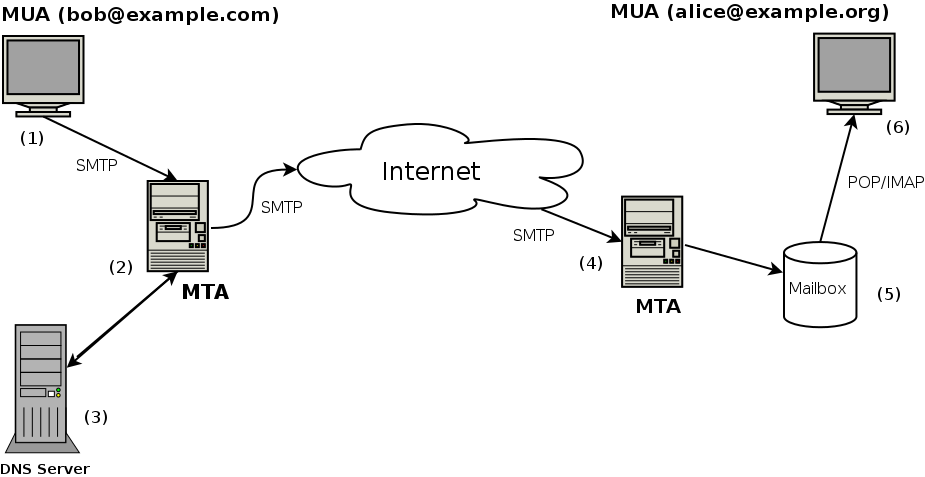
They handle the technical side of things, like deliverability, and provide tools to help you grow and segment your audience. Popular platforms include Mailchimp, ConvertKit, Constant Contact, and HubSpot. Each offers a different set of features, but all are designed to make email marketing more efficient and effective.
Automate Your Core ProcessesStart with these essential tools (examples):Email marketing: Mailchimp or ConvertKitScheduling: Calendly for appointmentsAccounting: QuickBooks for invoicingSocial media: Buffer for content schedulingCustomer management: HubSpot for lead tracking
Now that you understand the fundamentals, you have a solid foundation for building an effective email strategy.