Email Campaign Mastery for New Clients
Email Marketing Fundamentals
Turning Leads into Clients
So you've gathered some leads—people who've shown interest in what you offer. What's next? You can't just wait for them to decide to buy. You need to guide them. This is where email marketing shines. It's your direct line of communication to nurture those potential customers, building trust and gently moving them toward a purchase.
Think of it as a conversation. A person signs up for your mailing list because they're curious. Your emails continue that conversation, offering value, sharing insights, and reminding them why they were interested in the first place. It’s one of the most effective ways to convert a curious lead into a loyal client.
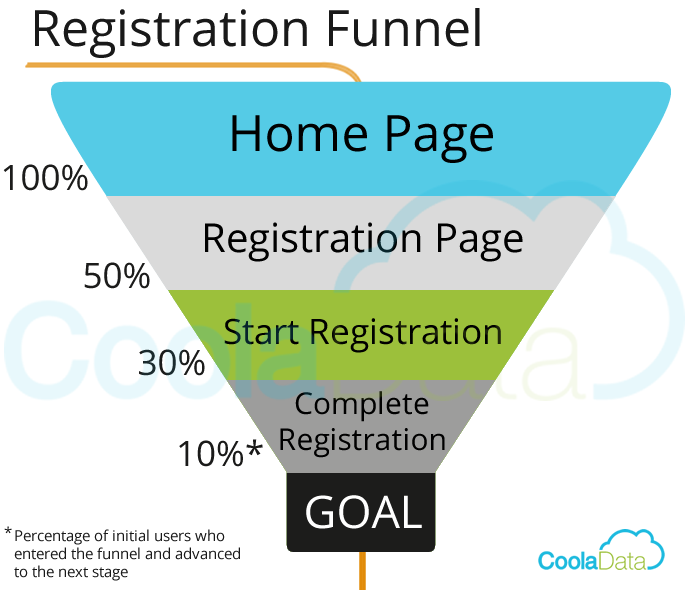
Email marketing is the #1 key to moving traffic from one stage of the funnel to the next.
This process is often visualized as a funnel. A large number of people enter at the top (the awareness stage), but only a fraction make it to the bottom (the conversion stage). Email is the force that helps guide them through.
How to Measure Success
Sending emails is easy. Sending effective emails requires paying attention to the data. Key Performance Indicators (KPIs) tell you what's working and what isn't. They're the vital signs of your email marketing health.
| Metric | Question it Answers | Why it Matters |
|---|---|---|
| Open Rate | Did they open the email? | A high open rate means your subject lines are compelling and your audience trusts you. |
| Click-Through Rate (CTR) | Did they click a link inside? | This shows if your content is engaging and relevant enough to make someone take the next step. |
| Conversion Rate | Did they complete the desired action? | This is the ultimate goal. It measures how many people made a purchase, signed up, or downloaded something. |
| Unsubscribe Rate | Did they opt out of future emails? | A low rate is good. A spike might mean you're sending too many emails or your content isn't relevant. |
Don't get obsessed with one metric. A high open rate is great, but if no one clicks or converts, it's not achieving your business goals. Look at these KPIs together to get the full picture.
Types of Email Campaigns
Not all emails are created equal. Different messages serve different purposes. Understanding the main types helps you send the right message at the right time.
1. Newsletters These are regular, scheduled emails that keep your audience engaged. They aren't usually about making a hard sale. Instead, they provide value—like sharing blog posts, company news, or helpful tips. The goal is to build a long-term relationship and keep your brand on your subscribers' minds.
2. Promotional Emails This is where you directly ask for the sale. Promotional emails are focused on conversions. They announce special offers, new product launches, or seasonal discounts. They should have a very clear call-to-action (CTA), like "Shop Now" or "Get 25% Off."
3. Transactional Emails These are automated emails triggered by a specific user action. Think order confirmations, shipping notifications, or password reset links. While they might seem boring, they're incredibly important. Customers expect them, and they have some of the highest open rates of any email type because they contain vital information.
A good email strategy uses a mix of all three types. Newsletters build the relationship, promotional emails close the deal, and transactional emails provide a smooth customer experience.
What is the primary role of email marketing in nurturing leads?
An automated email sent to a customer with their order confirmation and shipping details is an example of what type of email?
By understanding these core concepts, you're ready to build an email marketing plan that effectively turns prospects into lasting clients.