Elon Musk's Influence and Ventures
Elon Musk's Early Ventures
The First Venture
Long before electric cars and rockets, Elon Musk started his entrepreneurial journey with his brother, Kimbal. In 1995, they founded Zip2, a company that provided online city guides for newspapers. Think of it as an early version of Google Maps and Yelp, combined. They created a searchable directory of businesses with maps, a novel idea when the internet was still in its infancy.
The early days were tough. The brothers reportedly lived in their small office, showering at a local YMCA to save money. They coded during the day and slept on a futon at night. This intense, all-in approach was a clear sign of the work ethic that would define Musk's later career.
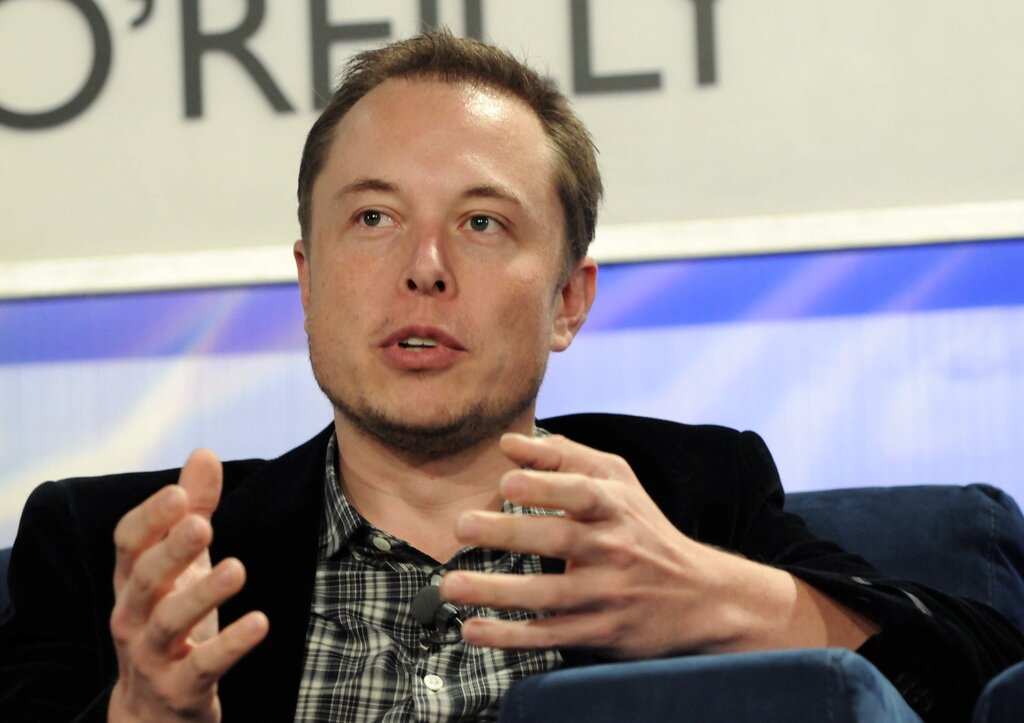
Their persistence paid off. Zip2 secured contracts with major publications like The New York Times and the Chicago Tribune. In 1999, Compaq Computer Corporation acquired Zip2 for over $300 million. Musk's share was about $22 million. For a 27-year-old, this was a massive success. But instead of resting, he immediately poured his earnings into his next big idea.
Reinventing Finance
With the capital from the Zip2 sale, Musk co-founded X.com in 1999. His goal was ambitious: to revolutionize the banking industry with a one-stop online financial services platform. At the same time, another company called Confinity, founded by Peter Thiel and Max Levchin, was developing a similar payment system called PayPal.
Instead of competing, the two companies merged in 2000. The combined entity focused on the simpler, more popular PayPal service, which allowed users to easily send money via email. However, the merger wasn't smooth. Disagreements over technology and branding led to internal strife. While Musk was on his honeymoon, the board replaced him as CEO.
Despite his ousting, Musk remained the company's largest shareholder. His vision for simple online payments proved correct. In 2002, eBay acquired PayPal for $1.5 billion. This time, Musk's payout was a staggering $180 million after taxes. This fortune provided the seed money for his most audacious ventures yet: SpaceX and Tesla.
Lessons from the Trenches
Musk's first two companies were a crash course in entrepreneurship. With Zip2, he learned the value of grit and how to build a company from nothing. The experience also taught him how to identify a real-world problem and use new technology to solve it.
PayPal was a different kind of education. It taught him about navigating corporate politics, the pain of being pushed out of his own company, and the importance of a clear, focused product. It also demonstrated the incredible power of a disruptive idea in a massive, established industry.
After selling PayPal, he invested nearly all his money into Tesla and SpaceX instead of playing it safe.
These formative experiences weren't just about financial wins. They forged the resilience and bold vision he would need to tackle the immense challenges of space travel and sustainable energy. Time to see what you remember.
What was the primary service provided by Zip2, Elon Musk's first company?
Elon Musk's company X.com merged with a competitor named Confinity. What was the name of Confinity's popular payment product?
The pattern was set: identify a huge problem, work relentlessly, and swing for the fences. The scale of his ambitions would only grow from here.