Elon Musk Wealth Creation Strategy
Early Entrepreneurial Capital
The First Exit: Zip2
In 1995, before online maps were a given, Elon and Kimbal Musk started Zip2, a company that provided online city guides—complete with maps and directories—to newspapers. They launched it with money from a small group of angel investors. As the company grew, they took on venture capital, exchanging equity for the cash needed to scale. By 1999, their ownership stake was smaller, but the company's value was much larger.
That year, PC giant acquired Zip2 for $307 million in cash. The deal was a classic dot-com era exit. For his 7% stake, 27-year-old Elon Musk received $22 million. It was a life-changing amount of money, but for Musk, it was just the starting capital for his next, more ambitious project.
Doubling Down on Digital Payments
Instead of retiring to a beach, Musk immediately rolled a huge portion of his Zip2 earnings—$12 million—into his next venture: X.com. His goal was audacious: to create a full-service online bank. The idea was to revolutionize the financial industry by moving it entirely online, a concept that was far from mainstream in 1999.
X.com wasn't alone. It soon found itself in fierce competition with a company called Confinity, co-founded by and Max Levchin. Confinity had a popular feature that allowed users to email money to each other, a product they called PayPal. The two companies were burning through cash trying to acquire the same customers. A merger became the most logical path forward. In early 2000, X.com acquired Confinity, and the combined entity eventually rebranded under the more popular name: PayPal.
The PayPal Mafia's Big Score
Musk became the CEO of the newly merged company, but his tenure was fraught with internal conflict. A key disagreement was over the company's technical infrastructure. Musk wanted to move the platform from a Unix-based system to Microsoft's, a move the other engineers strongly resisted.
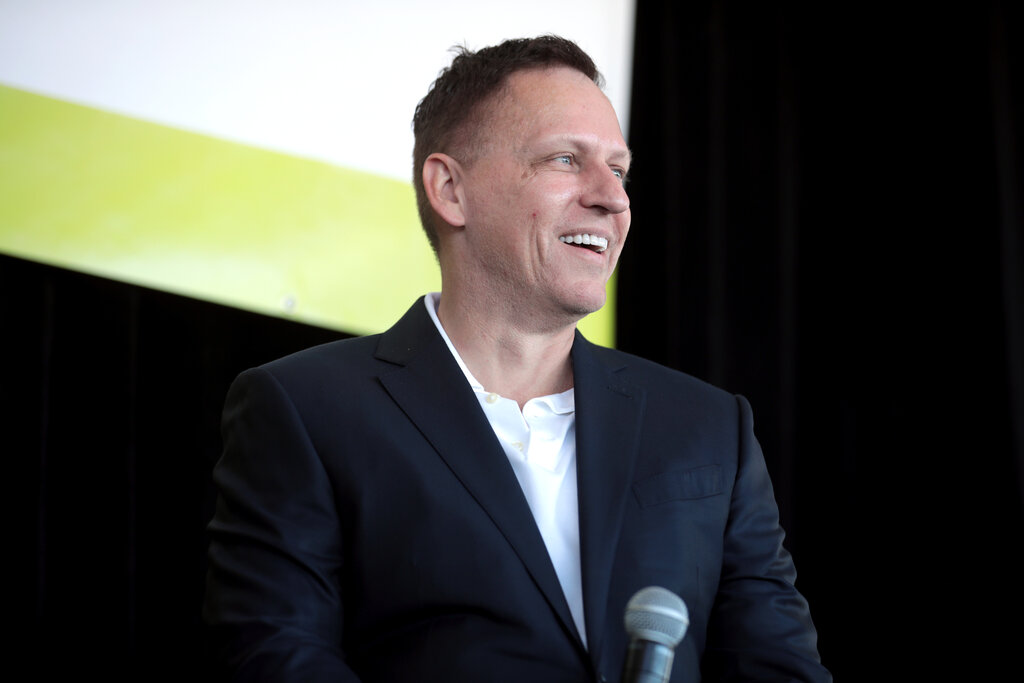
While Musk was on a flight for a long-overdue vacation, the board staged a coup. They ousted him as CEO and replaced him with Peter Thiel. Despite the drama, Musk remained the largest shareholder. The company, now firmly under the PayPal brand, continued its rapid growth.
In July 2002, online auction giant saw the strategic value in owning its most popular payment system. eBay acquired PayPal for $1.5 billion in an all-stock deal. This meant PayPal shareholders didn't get cash, but rather eBay stock. As the largest shareholder with 11.7% of the company, Musk’s stake translated into roughly $180 million worth of eBay shares.
A Pattern of Reinvestment
This exit solidified Musk's financial foundation. But more importantly, it revealed a core tenet of his strategy: high-stakes, serial reinvestment. He consistently bets his winnings on the next, even riskier, venture.
It’s just that creating a reliable rocket is unfathomably difficult, as is launching a startup car company, and because no one wanted to invest in what seemed to the outside world like overambitious and probably-doomed ventures—especially during a recession—Musk had to rely on his own personal funds.
A typical founder might cash out a significant portion of their exit earnings to diversify their wealth. Musk did the opposite. He took nearly the entire $180 million from the PayPal sale and poured it into his next two companies: $100 million into SpaceX, $70 million into Tesla, and $10 million into SolarCity. This left him borrowing money to pay rent. It was an all-in bet on his vision for space exploration and sustainable energy, a pattern that would define his career.
What company acquired Elon and Kimbal Musk's first company, Zip2, in 1999?
Elon Musk's venture, X.com, merged with a competitor named Confinity. What was Confinity's popular product that allowed users to email money?