Elon Musk and US Government Death Toll Claims
Understanding Misinformation
The Anatomy of False Information
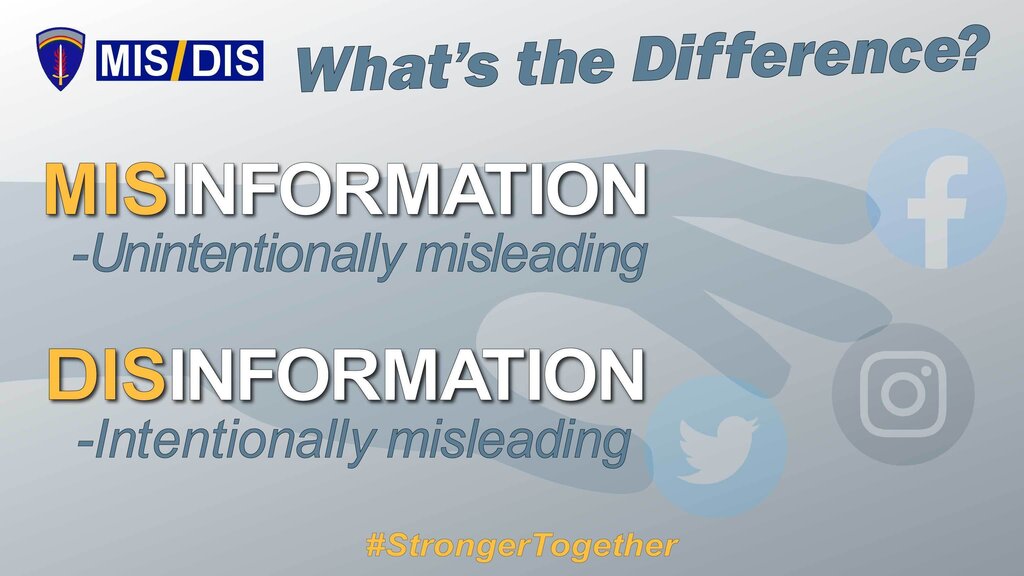
Not all false information is created equal. The key difference often comes down to intent. When someone shares something that's incorrect without meaning to cause harm, it's called misinformation. Think of a well-meaning relative sharing a fake health tip they believed was true.
misinformation
noun
False information that is spread, regardless of intent to mislead.
Disinformation, on the other hand, is a different beast. It’s false information crafted and spread with the specific goal of deceiving people. This could be for political gain, financial profit, or simply to create chaos. It’s a deliberate lie.
These aren't the only categories. False information can also appear as satire that gets taken seriously, content taken out of its original context, or imposter content that mimics legitimate news sources to trick you.
Why We Fall for It
Our brains are wired to make sense of the world quickly, but these mental shortcuts can sometimes lead us astray. One of the biggest factors is confirmation bias. We have a natural tendency to seek out and believe information that confirms what we already think. If a headline aligns with your worldview, you're far more likely to accept it without question.
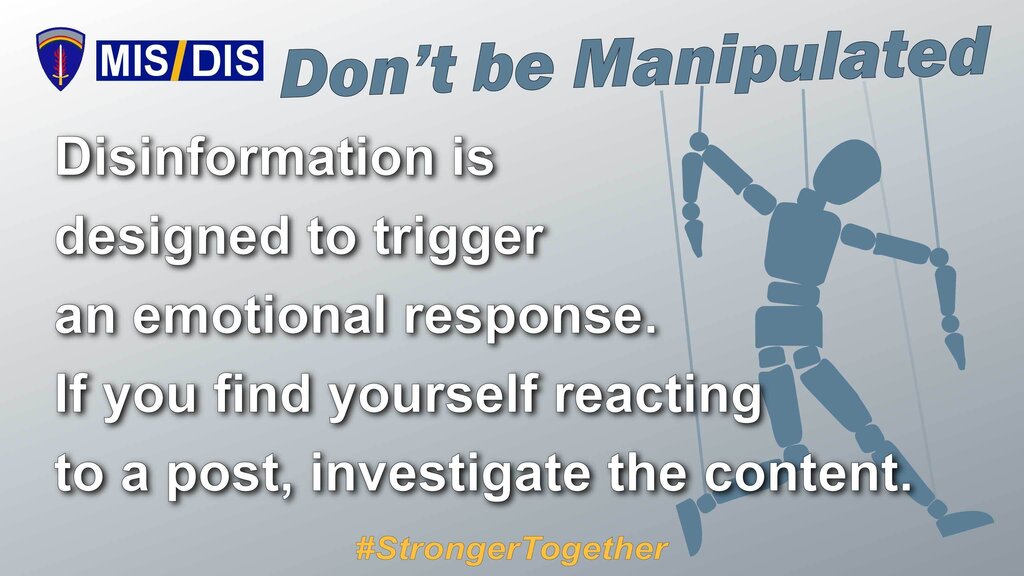
Emotion is another powerful driver. Disinformation is often designed to make you feel angry, scared, or vindicated. When our emotions are running high, our critical thinking skills tend to take a backseat. We react first and think later.
Finally, we often trust information that comes from our social circles. If a friend or family member shares something, we're more inclined to believe it. This social proof can make even the most outlandish claims seem plausible.
It’s not a matter of intelligence. Anyone can be fooled, because these psychological triggers are universal.
The Ripple Effect
Misinformation isn't just about being wrong online. It has serious consequences that spill into the real world. When people can't agree on basic facts, it becomes difficult to solve major problems, whether in public health, politics, or science.
A constant flood of false information erodes trust. People become cynical about reliable sources like scientific institutions, journalism, and government agencies. This can make society more polarized and fractured, as people retreat into bubbles of information that reinforce their own beliefs.
With little or no fact checking, misinformation (inaccurate info) and disinformation (falsehoods deliberately intended to deceive) can spread like wildfire on social media.
The harm can be direct, too. Health misinformation can lead people to make dangerous decisions, while political disinformation can incite conflict and undermine democratic processes. The spread of falsehoods creates a noisy, confusing environment where truth is hard to find.
Let's review the key ideas before testing your knowledge.
Now, let's see what you've learned.
Your uncle shares a post on social media claiming a new miracle cure for a common illness. He genuinely believes it's true and wants to help his friends. This is an example of:
The tendency for people to seek out, interpret, and favor information that confirms their preexisting beliefs is known as:
Understanding what misinformation is and how it works is the first step toward building a healthier information diet.