Elite E-commerce Business Mastery
E-commerce Landscape in India
The Indian E-commerce Boom
India's e-commerce market is one of the fastest-growing in the world. This explosive growth isn't just about big cities; it's fueled by a massive increase in internet and smartphone users across the country, especially in smaller towns and rural areas. A rising middle class with more disposable income is also eager to shop online for convenience and variety.
This digital shift is transforming how people buy everything from groceries to electronics. It's a dynamic, mobile-first environment where companies are constantly innovating to capture a share of this rapidly expanding market.
The Battle of the Giants
The Indian e-commerce landscape is dominated by a fierce rivalry between two major players: US-based Amazon and Walmart-owned Flipkart. Flipkart, an Indian startup that became a massive success story, often tailors its offerings to local tastes and was a pioneer of major sales events like the "Big Billion Days."
Amazon India leverages its global brand, extensive logistics network, and popular Prime membership program to compete. While these two giants battle for supremacy in general merchandise, several other platforms have carved out powerful niches.
| Platform | Primary Focus | Key Feature |
|---|---|---|
| Flipkart | General Merchandise, Electronics | Strong focus on private labels and a deep understanding of the Indian consumer. |
| Amazon India | General Merchandise, Media | Integrated Prime ecosystem offering shopping, video, and music. |
| Myntra | Fashion & Lifestyle | Curated selection of brands and a strong focus on fashion trends. |
| Nykaa | Beauty & Personal Care | Content-led commerce with a large community of beauty enthusiasts. |
Beyond these, the market is buzzing with specialized platforms. Quick commerce apps like Blinkit and Zepto promise grocery deliveries in minutes, while social commerce platforms like Meesho empower individuals to become online resellers, tapping into vast social networks.
Decoding the Indian Shopper
Understanding consumer behavior is critical in India. The market is overwhelmingly mobile-first, with the vast majority of online shopping happening on smartphones. This means a seamless, user-friendly mobile app isn't just an option—it's a necessity.
Despite the surge in digital payment systems like UPI (Unified Payments Interface), a significant portion of buyers still prefer Cash on Delivery (COD). This preference is rooted in a desire to see the product before paying and serves as a trust-builder for new online shoppers.
Localization is another key aspect. Successful platforms offer their services in multiple regional languages and tailor marketing campaigns to local festivals and cultural events. The annual Diwali sales, for instance, are massive events that drive a huge percentage of yearly revenue.
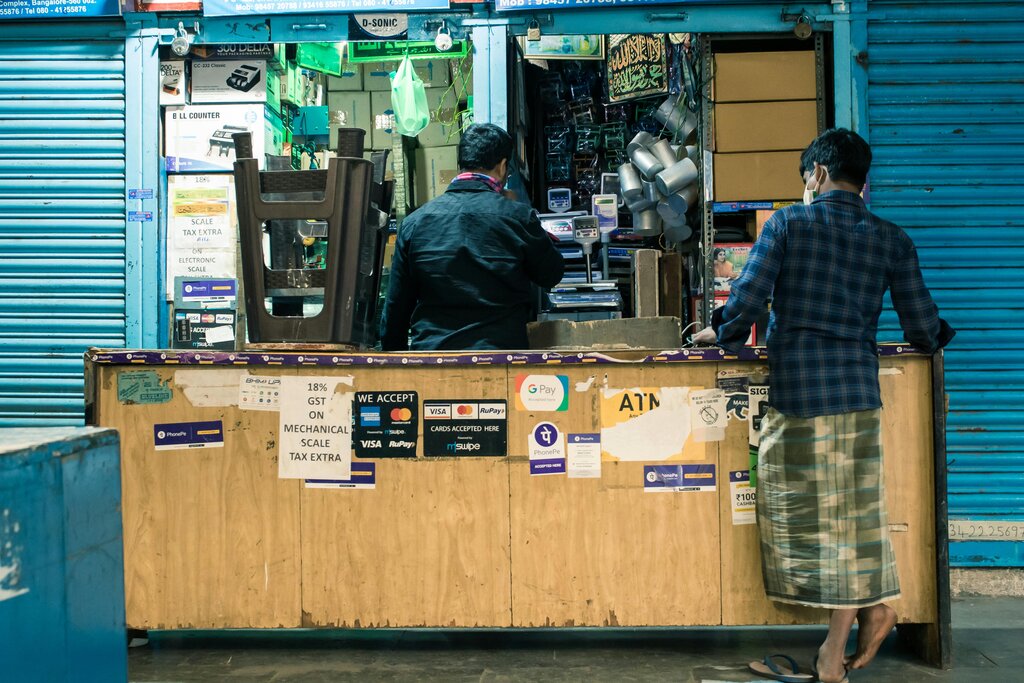
Successful business in the retail industry will effectively and efficiently adopt and implementonline and an offline combination while a boom is experienced at the ecommerce industry.
Navigating the Rules
The Indian government plays an active role in shaping the e-commerce sector. The regulatory environment is complex and constantly evolving. A key area of focus is Foreign Direct Investment (FDI). Current rules distinguish between a marketplace model and an inventory-led model.
Marketplace platforms (like Amazon and Flipkart) are not allowed to own the inventory sold on their sites. They act as intermediaries connecting sellers to buyers. This has led to complex corporate structures and regulations preventing them from influencing seller prices or exclusively promoting certain vendors.
Data protection is also a growing concern. The Digital Personal Data Protection Act imposes strict rules on how companies can collect, store, and use customer data, requiring clear consent and purpose limitation.
Compliance isn't a one-time task. Businesses must stay updated on changes in FDI policy, consumer protection laws, and data privacy regulations to operate legally.
Challenges and Opportunities
Despite its immense potential, the Indian market presents unique challenges. Logistics in a country with varied geography and infrastructure can be difficult. Ensuring timely delivery to remote areas remains a major hurdle that companies are solving with localized warehouses and delivery networks.
The market is also intensely competitive, leading to thin profit margins as companies offer deep discounts to acquire and retain customers. Building brand loyalty in such a price-sensitive environment is tough.
However, the opportunities are even greater. The next wave of growth is coming from Tier-2 and Tier-3 cities, where millions of new users are coming online for the first time. Reaching these customers with affordable products and localized content is the biggest opportunity for e-commerce companies.
New models like social commerce and live commerce are also gaining traction, leveraging the power of community and real-time interaction to drive sales. The fusion of content, community, and commerce is set to define the next phase of India's e-commerce journey.
Ready to test your knowledge of India's e-commerce landscape?
Which two companies are the dominant rivals in India's general merchandise e-commerce market?
Despite the rise of digital payments like UPI, a significant portion of Indian consumers still prefer 'Cash on Delivery' (COD). What is a primary reason for this preference?
This overview provides a snapshot of the key dynamics at play. The market is fast-paced and ever-changing, making it a challenging but incredibly exciting space for businesses.