Eliglustat for Gaucher Disease
Gaucher Disease Overview
A Cellular Housekeeping Problem
Inside our cells are tiny compartments called lysosomes. Think of them as the cell's recycling and waste disposal centers. They contain powerful enzymes that break down old or unwanted materials, keeping the cell clean and running smoothly. One of these specialized workers is an enzyme called glucocerebrosidase.
This enzyme has a very specific job: to break down a fatty substance called glucosylceramide. When it works correctly, everything is balanced. But what happens when it doesn't?
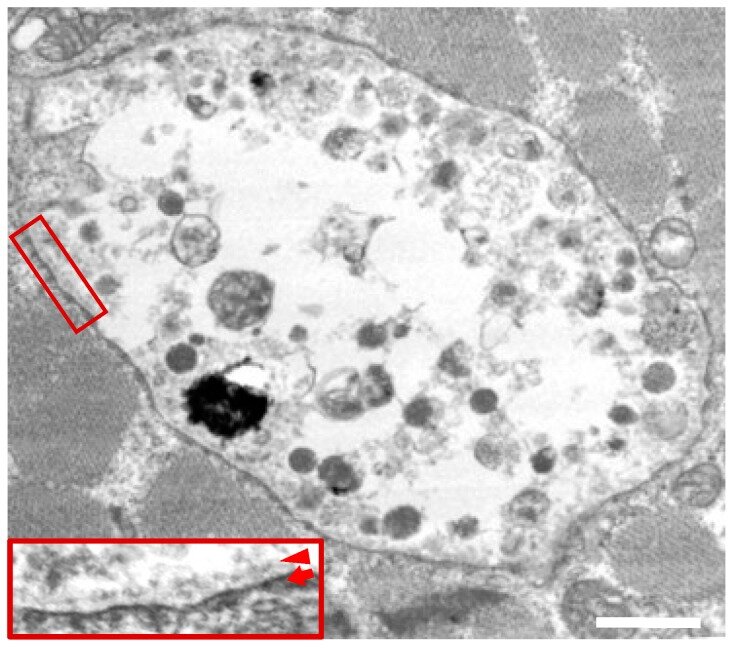
In Gaucher disease, this system fails. A genetic mutation causes a deficiency in the glucocerebrosidase enzyme. It either doesn't work efficiently or isn't produced in sufficient amounts. As a result, its target, glucosylceramide, can't be broken down. The substance starts to build up inside the lysosomes, causing them to swell. This accumulation is the root cause of all the signs and symptoms associated with the condition.
The Genetic Blueprint
Gaucher disease is an inherited disorder, passed down through families. It's caused by mutations in the GBA1 gene, which holds the instructions for making the glucocerebrosidase enzyme. For a person to have Gaucher disease, they must inherit two mutated copies of the GBA1 gene, one from each parent. This is known as an autosomal recessive inheritance pattern.
Individuals who inherit only one mutated copy are called carriers. They typically don't show any signs of the disease but can pass the mutated gene to their children.
The Body's Response
The buildup of glucosylceramide primarily happens within a type of immune cell called a macrophage. When these cells become engorged with the fatty substance, they are known as Gaucher cells. These abnormal cells accumulate in certain parts of the body, leading to the disease's most common symptoms.
The most affected organs are the spleen, liver, and bone marrow.
Hepatosplenomegaly: The spleen and liver become significantly enlarged as Gaucher cells accumulate. An enlarged spleen can destroy blood cells too quickly, while an enlarged liver can affect its function.
Blood Problems: The bone marrow is the factory for blood cells. When Gaucher cells infiltrate the bone marrow, they disrupt the production of red blood cells, white blood cells, and platelets. This can lead to:
- Anemia: A shortage of red blood cells, causing fatigue, weakness, and shortness of breath.
- Thrombocytopenia: A low platelet count, which impairs blood clotting and leads to easy bruising and bleeding.
anemia
noun
A condition in which the blood doesn't have enough healthy red blood cells, leading to reduced oxygen flow to the body's organs.
Skeletal Issues: Bone involvement is also a major feature. The buildup of Gaucher cells in the bone marrow can weaken the bones, causing bone pain, an increased risk of fractures, and sometimes severe bone crises, which are episodes of intense pain. Over time, it can also lead to arthritis and bone damage.
Gaucher disease type 1 is the most common form, and its symptoms can range from mild to severe, appearing at any age from childhood to adulthood.