Elevator Maintenance Essentials
Elevator Safety Fundamentals
The Foundation of Safety
Working on elevators involves powerful machinery, high voltages, and significant heights. It's a job with inherent risks, which is why safety isn't just a suggestion—it's the absolute foundation of everything a technician does. To ensure a safe working environment for everyone, the industry follows strict guidelines set by a key government agency.
OSHA
noun
The Occupational Safety and Health Administration. A U.S. government agency that ensures safe and healthful working conditions by setting and enforcing standards and by providing training, outreach, education, and assistance.
OSHA provides the rulebook for workplace safety in the United States. For elevator technicians, these rules cover everything from working in confined spaces like the elevator pit to protecting against falls and electrical hazards. Following these standards isn't optional; it's a legal requirement designed to prevent accidents and injuries.

Dressing for the Job
Before any work begins, technicians must be equipped with the right Personal Protective Equipment, or PPE. This isn't just about wearing a hard hat; it's a complete system of gear designed to protect you from specific hazards you'll encounter on the job.
| Equipment | Purpose |
|---|---|
| Hard Hat | Protects your head from falling objects or bumping into equipment. |
| Safety Glasses | Shields your eyes from debris, dust, and electrical arcs. |
| Steel-Toed Boots | Guards your feet against crushing injuries and electrical shock. |
| Gloves | Protects hands from cuts, abrasions, and electrical contact. |
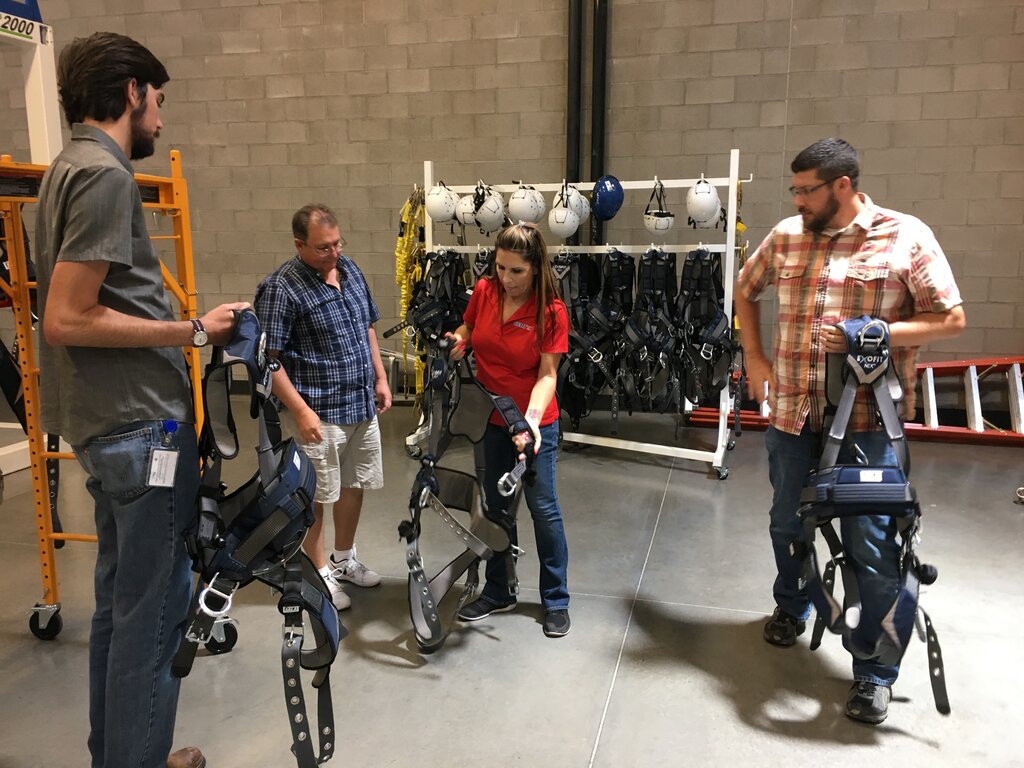
| Fall Arrest System | Prevents falls when working at heights, such as on top of an elevator car. |
While all PPE is important, the fall arrest system is arguably the most critical. Elevator shafts are dangerous, and a fall is often fatal. This system typically includes a full-body harness, a lanyard or lifeline, and a secure anchor point. It's designed to stop you mid-fall, absorbing the shock and preventing you from hitting the ground.
Powering Down Safely
You would never work on a car's engine while it's running. The same logic applies to elevators, but with much higher stakes. Before any maintenance or repair work can begin, the elevator's power must be completely shut off and secured. This is done using a critical safety procedure known as Lockout/Tagout, or LOTO.
LOTO ensures that machinery cannot be started up unexpectedly while someone is working on it. It's a literal lifesaver.
The process is straightforward but must be followed precisely. First, the technician identifies and de-energizes the correct power source. Then, they apply a lock to the disconnect switch, preventing anyone from turning it back on. Finally, a tag is attached to the lock, which identifies who is working on the equipment and warns others not to restore power. Each technician working on the equipment must apply their own lock and tag. Power is only restored after every single lock has been removed by the person who placed it.
Responding to Emergencies
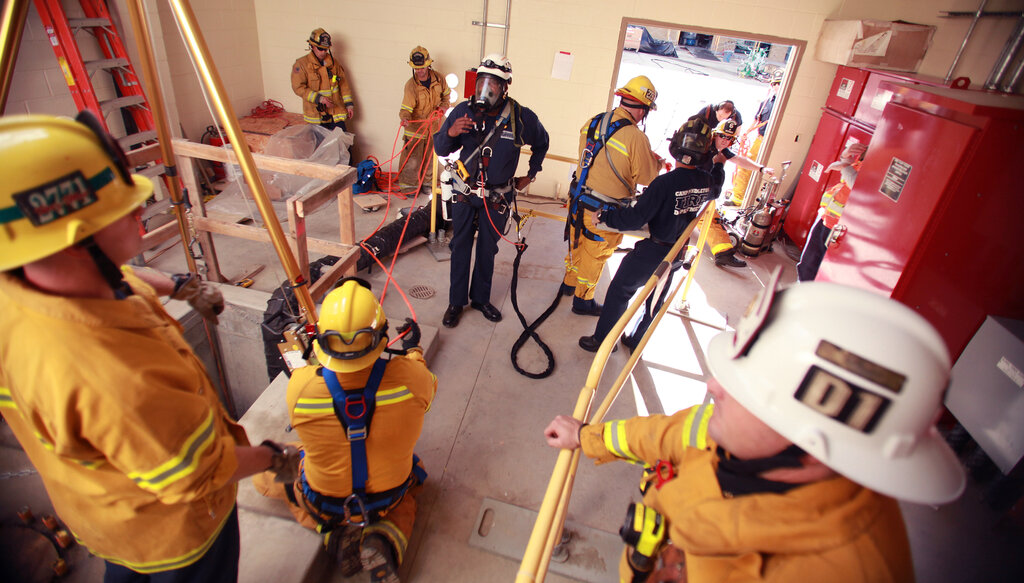
Even with the best safety practices, emergencies can happen. Technicians must be prepared to respond quickly and correctly to situations like an injured worker, a fire, or passengers trapped in an elevator. Emergency response protocols are clear, step-by-step plans that outline exactly what to do.
Generally, elevator rescues should be performed under the direct supervision of the elevator service company’s repair technicians.
In the case of an entrapment, the first priority is to communicate with the passengers and reassure them that help is on the way. The technician then follows a specific procedure to safely bring the elevator to the nearest landing and open the doors. This is a delicate operation that requires training and should never be attempted by unauthorized personnel. For injuries or fires, the plan involves immediately calling for emergency services, securing the area to prevent further harm, and administering first aid if trained to do so.
To wrap up, safety isn't a single action but a constant mindset. It's built on a solid understanding of OSHA standards, consistent use of PPE, strict adherence to LOTO procedures, and readiness for any emergency. Mastering these fundamentals is the first and most important step in becoming a competent and responsible elevator technician.
What is the primary purpose of the Lockout/Tagout (LOTO) procedure in elevator maintenance?
According to the text, which government agency sets the legal standards for workplace safety for elevator technicians in the United States?