Elevating Your Dance Technique
Dynamic Core Engagement
The Core as an Engine
We often think of the core as a static shield for posture. While that's true, in dance, it's far more dynamic. Think of your deep core not as a corset, but as an engine, providing the power and control for every complex movement, from a sudden weight shift in jazz to a fluid roll in contemporary.
This engine is powered by deep muscles like the transverse abdominis (TVA) and the obliques. They don't just hold you upright; they actively manage stability during challenging, off-balance transitions. Mastering their engagement is the key to unlocking controlled freedom in your limbs.
Your core is the bridge between your upper and lower body. When it's strong and responsive, movement flows seamlessly. When it's disengaged, the connection breaks.
Braced vs. Mobile Spine
Effective core control involves a constant negotiation between bracing and mobility. A rigid, braced spine is essential for a sharp piqué turn, where stability is paramount. The core locks down the torso, creating a solid axis of rotation.
However, for modern floor work, that same rigidity would be a hindrance. Fluid spinal articulation — the ability to move the spine vertebra by vertebra — is required. This is where the core’s role becomes more nuanced. Instead of a rigid lock, the muscles must provide controlled support, guiding the spine through waves and curves without collapsing.
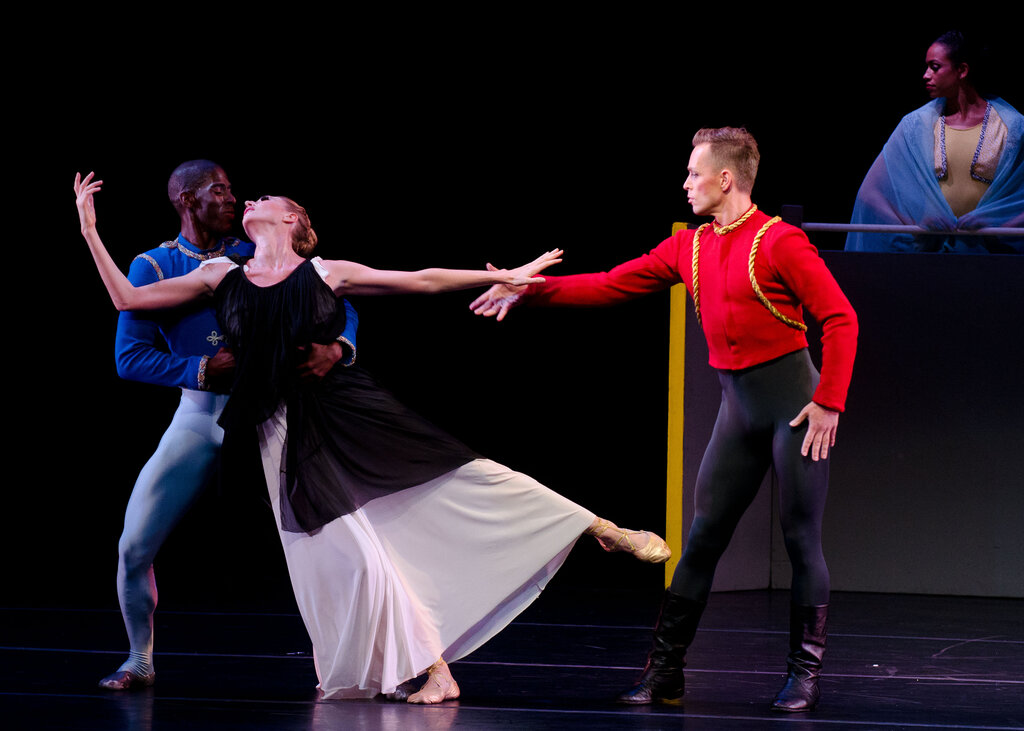
The trade-off is clear. Over-bracing limits your range of motion and expressiveness. Under-engaging leads to instability and potential injury. The goal is a 'braced yet mobile' core, where muscles fire just enough to support the intended movement, no more and no less.
Anchoring with the Pelvis
Your pelvis is the anchor for your centre of gravity. How you control it dictates the success of almost every movement. In dance, this control is an active process driven by the deep core, including the crucial engagement of the pelvic floor in tandem with the TVA.
When you execute an off-axis extension, like a tilt or a penché, it’s not just about leg strength. It’s about the core stabilising the pelvis, keeping it from shifting or rotating unintentionally. This creates a solid base from which the limbs can extend, giving the illusion of effortless reach and control. This core-driven anchoring allows the torso to perform isolated movements, like a rib cage shift or an upper body contraction, without disturbing the body's overall balance.
Think of core-driven weight shifts. When you transition from one foot to another, the impulse should originate from your centre. By engaging the obliques and TVA, you guide your pelvis smoothly and efficiently to the new position. This makes the shift look controlled and integrated, rather than a clumsy step-and-recover action.
One of the key elements of ballet is posture – standing tall with shoulders down, core engaged and spine aligned.
This principle of a dynamically engaged core is the foundation of technical proficiency. It allows you to move with power, grace, and an intelligence that originates from your very centre.