Elevate Your Home Cooking to Professional Standards
Advanced Knife Skills
The Art of Precision Cuts
Consistency is what separates a home cook from a professional chef. In the kitchen, this often comes down to knife work. Mastering a few key precision cuts not only makes your food look more refined but also ensures everything cooks evenly. Let's move beyond simple chopping and dicing.
The julienne is the starting point for many other cuts. It means cutting a vegetable into long, thin matchsticks. The standard size is about 2 inches long and 1/16 to 1/8 inch thick. For something round like a carrot, you first need to square it off by trimming the sides. This gives you a stable base to work from. Then, slice it into thin planks, stack them, and slice again to create the matchsticks.
Once you've mastered the julienne, the brunoise is the next logical step. A brunoise is a tiny, perfect dice, about 1/8 inch on all sides. To achieve it, you simply take your julienned vegetables, gather them into a neat pile, and slice across them to create small, uniform cubes. This cut is perfect for adding delicate texture and flavor to soups, sauces, and garnishes.
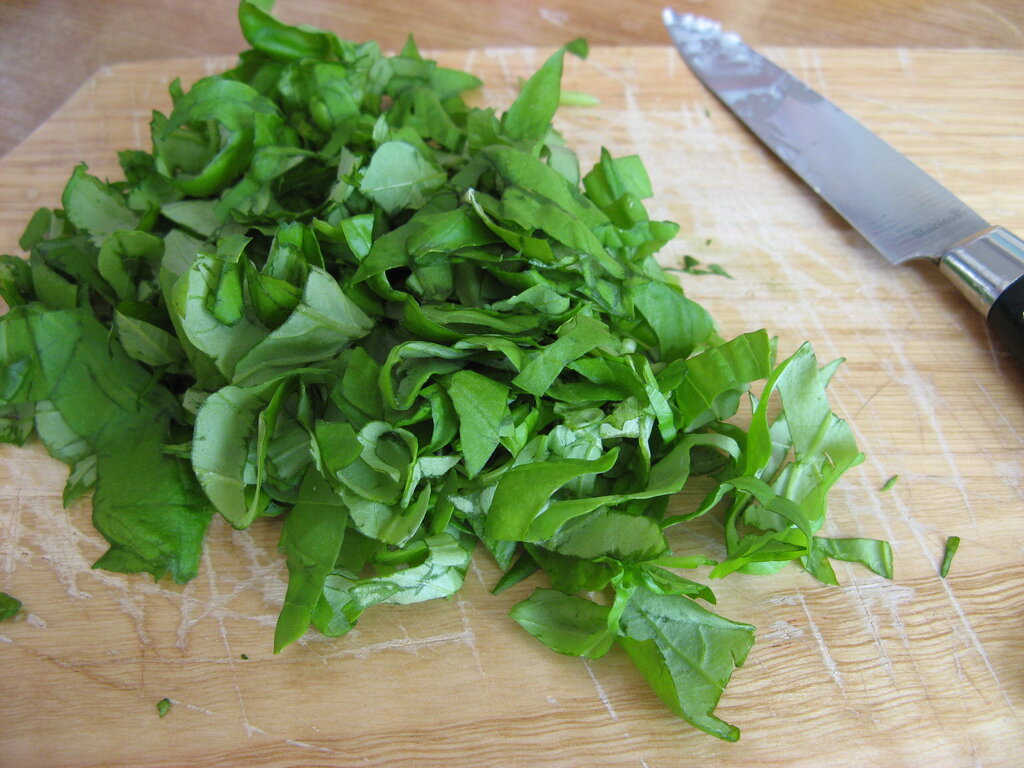
For leafy greens and herbs like basil, mint, or spinach, the go-to precision cut is the chiffonade. This technique creates fine, elegant ribbons. To do it, stack several leaves on top of each other, roll them tightly into a small cylinder, and then slice thinly across the roll. The result is a light, feathery garnish that's perfect for topping pastas, salads, or soups.
Keeping Your Edge
A sharp knife is a safe knife. You've probably heard that before, and it's true. A dull blade requires more pressure to cut, making it more likely to slip. Keeping your knives in top condition involves two distinct processes: honing and sharpening.
Honing realigns the edge of the blade, while sharpening grinds away metal to create a new edge.
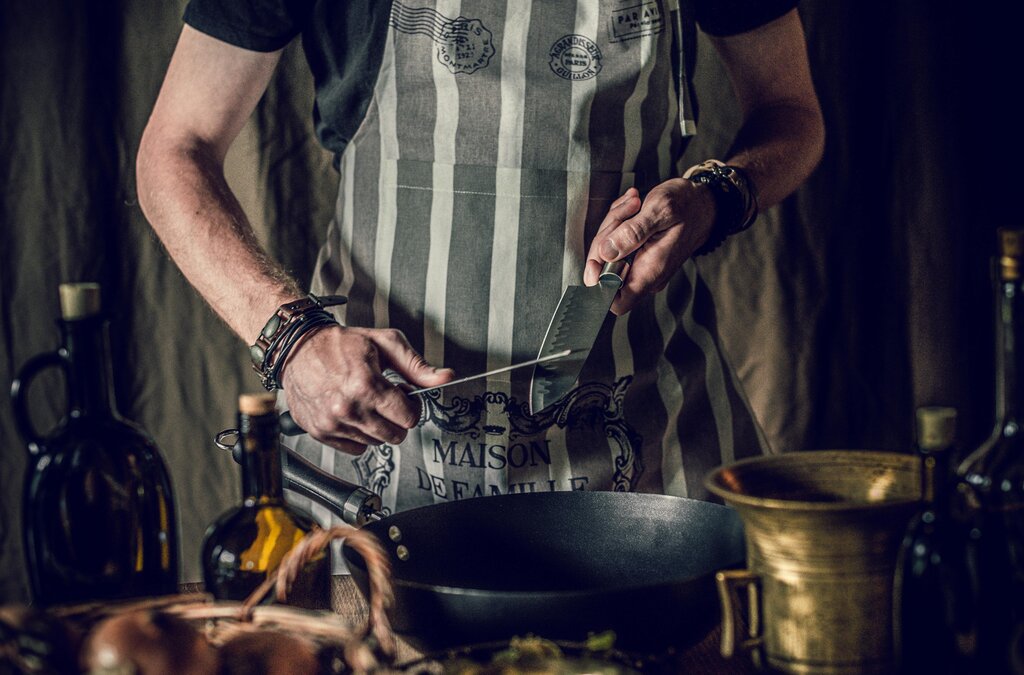
Honing should be done frequently, even before each use. It uses a tool called a honing steel, which is a long rod of steel or ceramic. Honing doesn't actually sharpen the knife; instead, it straightens the microscopic teeth on the blade's edge that get bent out of alignment with use. Hold the steel vertically with the tip planted on a cutting board. Place the heel of the blade against the top of the steel at a 15- to 20-degree angle. Then, draw the knife down and towards you, pulling it from heel to tip. Repeat on the other side. A few strokes per side is all you need.
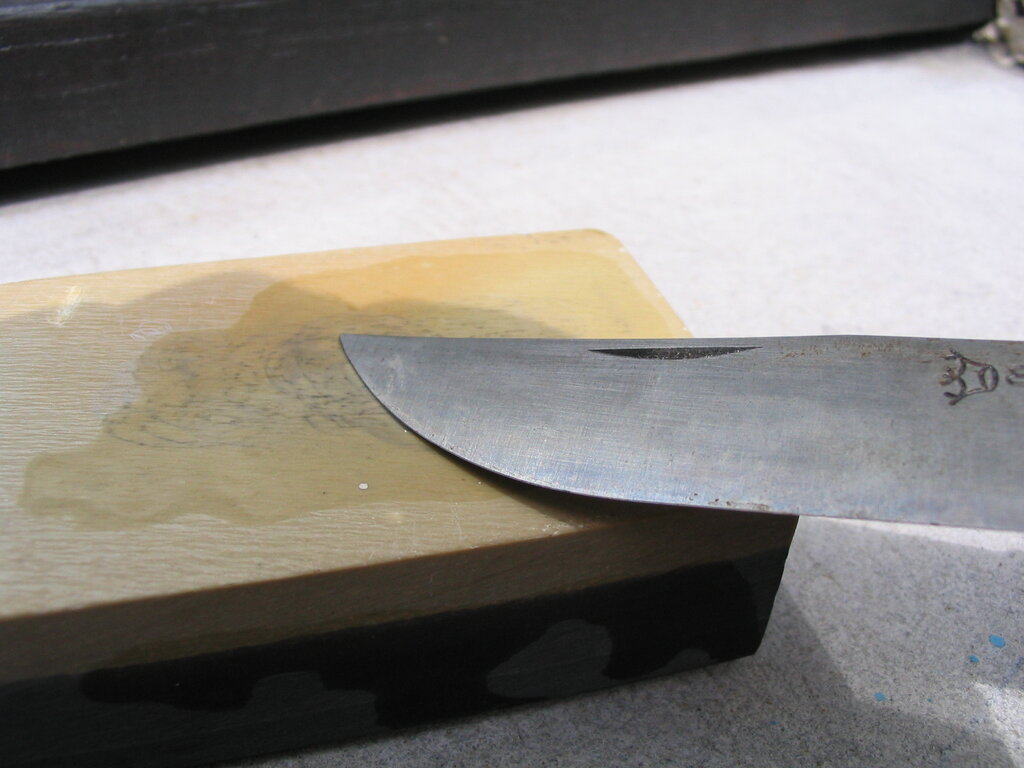
Sharpening is a more intensive process that should be done only when honing no longer brings the edge back. Sharpening actually removes a tiny amount of metal from the blade to create a brand new, sharp edge. The most common method is using a whetstone, which is a block of fine-grained stone.
To use a whetstone, you'll typically soak it in water first. Place it on a non-slip surface, find your 15- to 20-degree angle, and push the blade across the stone in a smooth, consistent motion, as if you're trying to slice a thin layer off the top. You'll need to work on both sides of the blade to create an even edge. If this sounds intimidating, electric knife sharpeners are a good alternative, though they can be more aggressive on your blades. Many cooks also opt to have their knives professionally sharpened once or twice a year.
Refined Safety Techniques
Fast, precise cuts require unwavering attention to safety. Always start with a stable work surface. Place a damp paper towel or a non-slip mat under your cutting board to prevent it from sliding around.
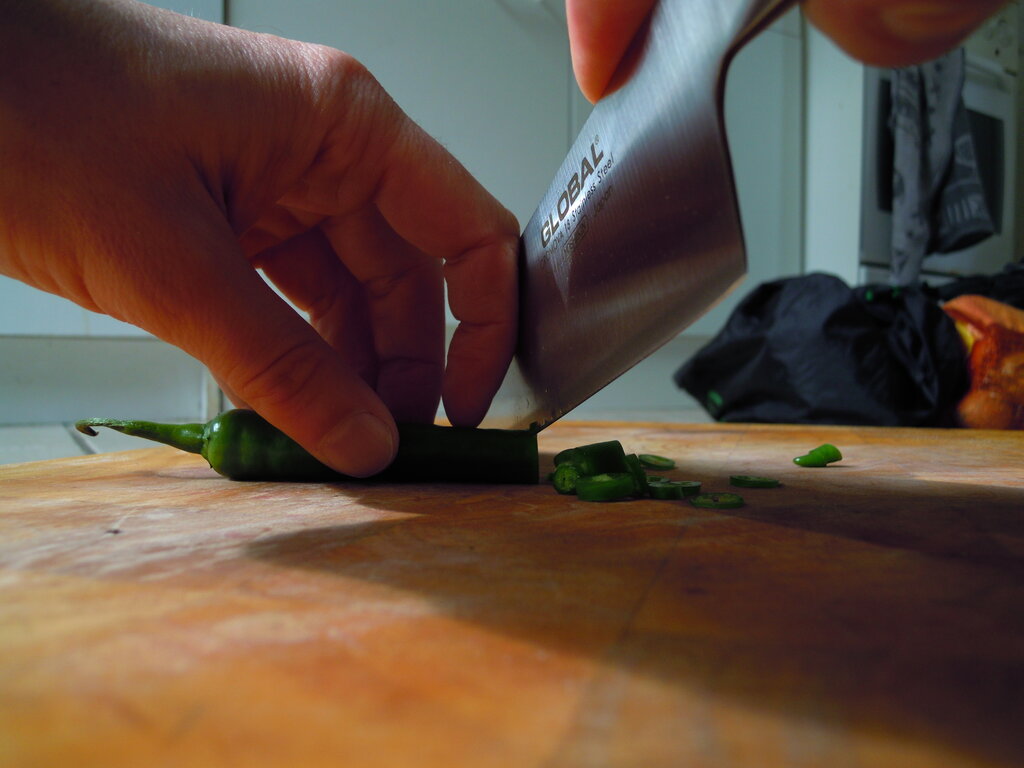
The most critical safety habit is the claw grip. Curl the fingers of your non-knife hand into a claw shape, tucking your thumb and pinky behind. Your knuckles should stick out in front of your fingertips. Rest the side of the knife blade against your knuckles as you slice, using them as a guide. This keeps your fingertips safely away from the blade.
Never leave a knife soaking in a sink full of soapy water where it can't be seen, and always wash and dry your knives by hand immediately after use. When storing them, use a knife block, a magnetic strip, or blade guards to protect the edges and prevent accidents.
Sharp knives allow you to do your prep faster and more safely.
Ready to review these advanced techniques?
What is the primary purpose of using a honing steel on a knife?
The brunoise cut is a tiny, uniform dice created by first performing which other precision cut?
Practice is the key to making these skills second nature. Start slow, focus on your form, and you'll soon be cutting with the confidence and precision of a professional chef.