Elementary Math Adventures
Understanding Numbers
Numbers Are All Around Us
Numbers are more than just symbols we see on a page. Each one represents an amount of something. The number '1' means one apple, one toy, or one person. The number '5' means five fingers on a hand. Before children can add or subtract, they first need to understand what each number means.
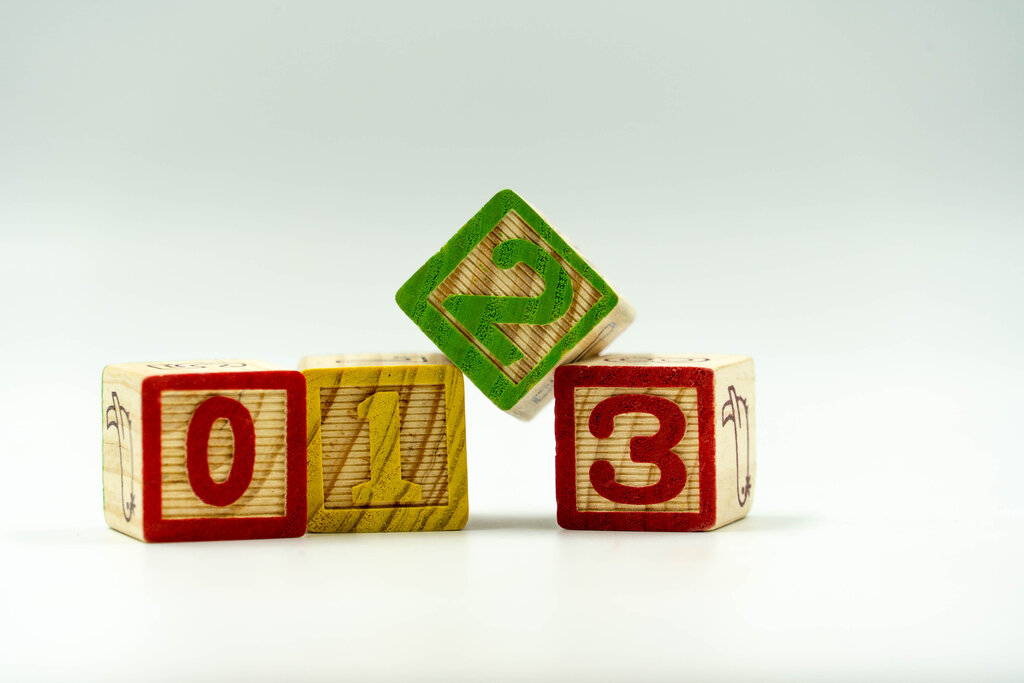
We start with the basics: one through ten. These are the building blocks for all other numbers. Once a child is comfortable with 1 to 10, we can explore the numbers from 11 to 20. It's helpful to point out the pattern here. 'Thirteen' has 'three' in it. 'Fifteen' has 'five'. This helps connect the new numbers to ones they already know.
From Seeing to Counting
Recognizing a number is the first step. The next is connecting that symbol to a group of objects. This is called counting. The key to counting correctly is to say one number for each item you touch. This is called one-to-one correspondence.
Gather a small pile of crayons, blocks, or snacks. Touch each one as you say a number out loud: “one,” “two,” “three.” This physical action makes the abstract idea of counting concrete. It helps a child understand that the last number they say is the total number of items in the group.
Try counting things you see every day. How many steps to the door? How many plates are on the table? This makes learning feel like a game, not a lesson.
Start with small groups of objects, maybe just up to five. As your child gets more confident, you can slowly increase the number of items until you reach twenty. Patience is important. Every child learns at their own pace.
Writing the Numbers
After a child can recognize and count numbers, the next step is learning to write them. This helps solidify their understanding and also builds fine motor skills. Tracing is a great way to start. You can write the numbers on a piece of paper and have the child trace over them with a crayon or marker.
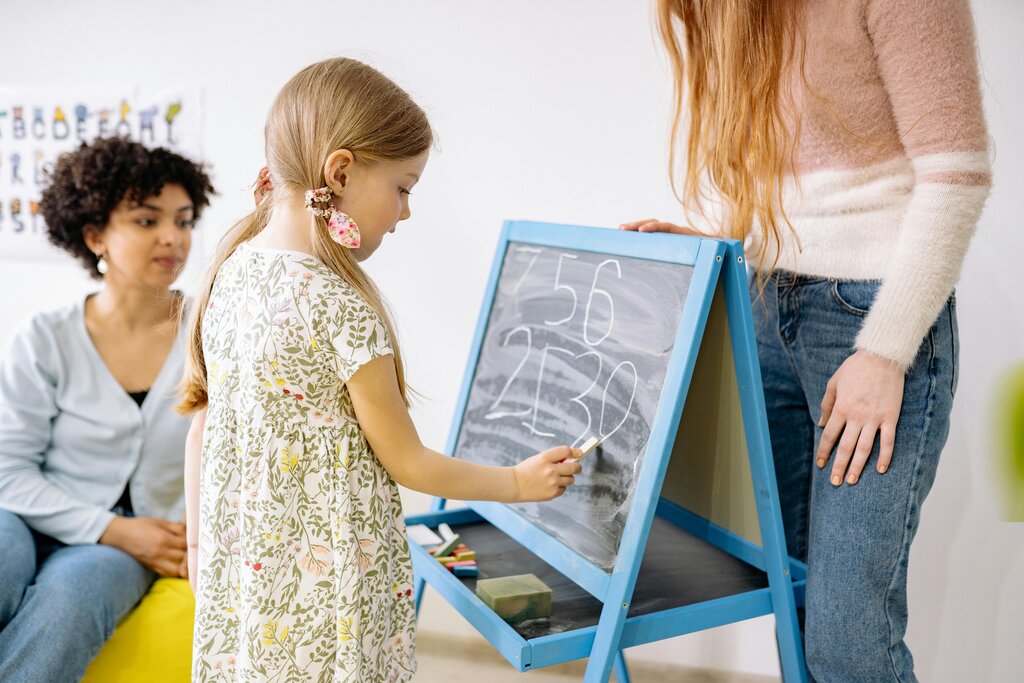
Make it playful. Write numbers in sand, with shaving cream, or using finger paint. This sensory experience can be more engaging than just using a pencil and paper. Focus on the shape of each number. A '1' is just a straight line. An '8' is like two circles stacked on top of each other.
Don't worry about perfection. At first, the numbers might be backward or wobbly. The goal is to practice forming the shapes and building muscle memory in their hands. The neatness will come with time and practice.
Let's check what we've learned about the first steps in understanding numbers.
What is the most important rule to follow when counting a group of objects to find out the total?
If you count a pile of crayons and the last number you say is 'seven,' what does the number seven tell you?
Recognizing, counting, and writing numbers are the first steps on a long and exciting journey with math. Building a strong foundation makes everything that comes next much easier.