Elegant and Inspiring Flyer Design
Introduction to Flyer Design
What's a Flyer For?
A flyer is a simple, powerful tool. It’s a single sheet of paper designed to grab attention and deliver a message quickly. Think of it as a tap on the shoulder—a direct, physical way to communicate in a digital world. While they might seem old-fashioned, their tangible nature makes them memorable.
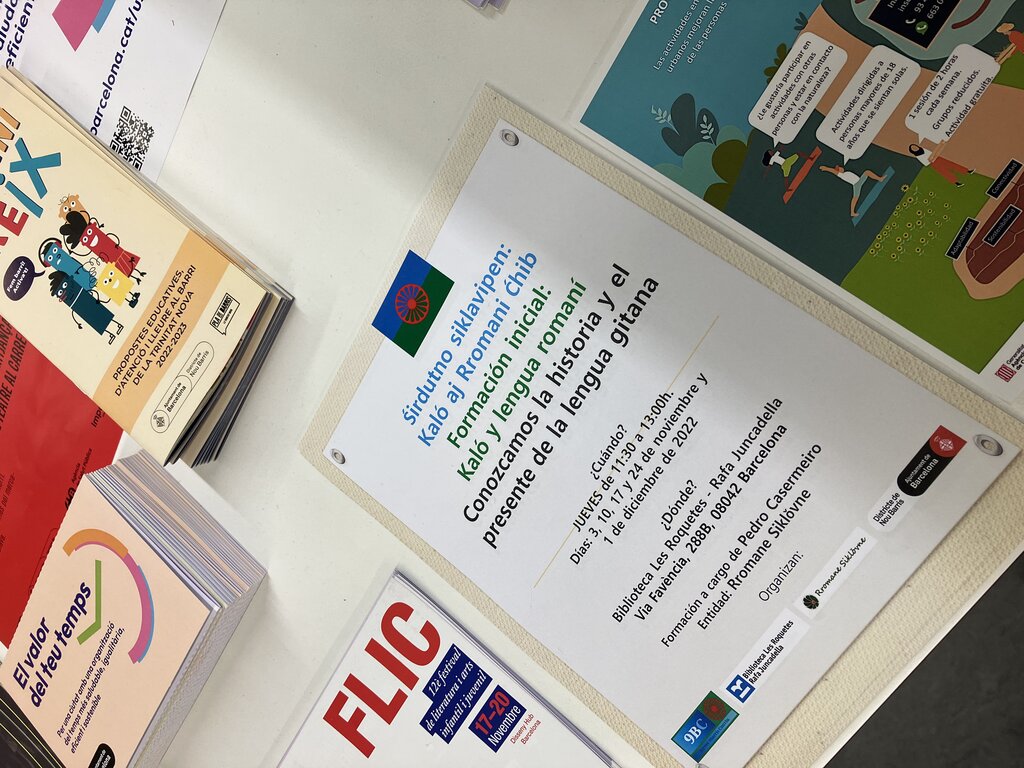
Flyers are incredibly versatile. You’ve probably seen them used for all sorts of things:
- Promoting Events: Concerts, workshops, farmers' markets, and community gatherings.
- Advertising Sales: Announcing discounts, special offers, or new products at a local shop.
- Raising Awareness: Spreading the word about a cause, a political campaign, or a public service announcement.
- Informing People: Providing key information, like the schedule for a new fitness class or the menu for a restaurant's grand opening.
The goal of any flyer is to cut through the noise and make someone stop, read, and remember your message.
Who Are You Talking To?
Before you even think about colors or fonts, you need to know who you’re trying to reach. This is your target audience. A flyer designed for college students will look and sound very different from one aimed at new parents or retirees. Understanding your audience determines the entire design, from the language you use to the images you choose.
Begin by clearly defining your target audience and understanding their needs and behaviors.
Imagine you're promoting a new yoga class. Who is it for? Stressed-out university students or seniors looking for gentle exercise? The answer changes everything.
| Element | Audience: University Students | Audience: Seniors |
|---|---|---|
| Tone | Energetic, casual, maybe humorous | Calm, welcoming, reassuring |
| Imagery | Photos of young, active people | Images of relaxed, older adults |
| Colors | Bright, bold, high-contrast | Soft, muted, calming pastels |
| Information | Focus on stress relief, study breaks | Highlight low-impact benefits, community |
| Distribution | Campus bulletin boards, coffee shops | Community centers, libraries, doctor's offices |
Thinking through these details ensures your message actually connects with the people who need to see it.
Define Your Goal
A great flyer doesn't just inform; it inspires action. Every flyer should have a single, clear objective. What is the one thing you want someone to do after reading it? Trying to accomplish too much will only confuse your audience and dilute your message.
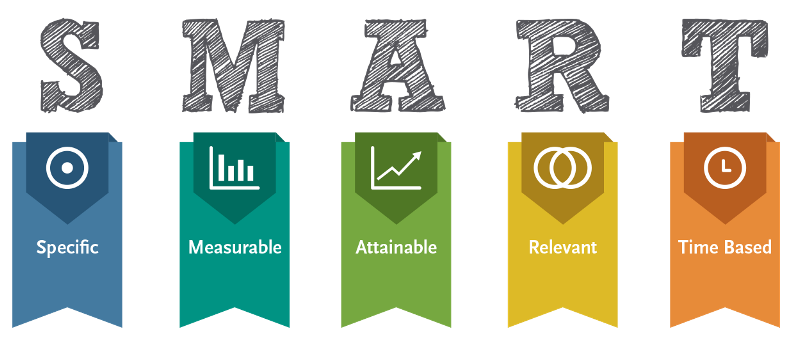
Your objective should be specific and measurable. Instead of a vague goal like "get more customers," try something more concrete:
- Get 25 people to sign up for a webinar.
- Bring 50 customers into a store for a weekend sale.
- Increase attendance at a monthly meeting from 30 to 40 people.
This specific goal will guide all your design choices and help you write a powerful call to action—the instruction that tells your reader exactly what to do next.
What is the primary advantage of using a physical flyer in today's digital world?
You are designing a flyer for a new, high-intensity weekly fitness bootcamp. Which piece of information is most critical for defining your target audience?
With a clear audience and a specific goal, you have the foundation for a flyer that not only looks good but also gets results.