Electrosmith Daisy Audio Effects Pedals
Introduction to Audio Effects Pedals
What Is an Effects Pedal?
An effects pedal is a small electronic device that alters the sound of a musical instrument. While they can be used on vocals, synthesizers, or drums, they're most famously paired with the electric guitar. Think of them as filters for sound, each one designed to add a unique character to your instrument's tone.
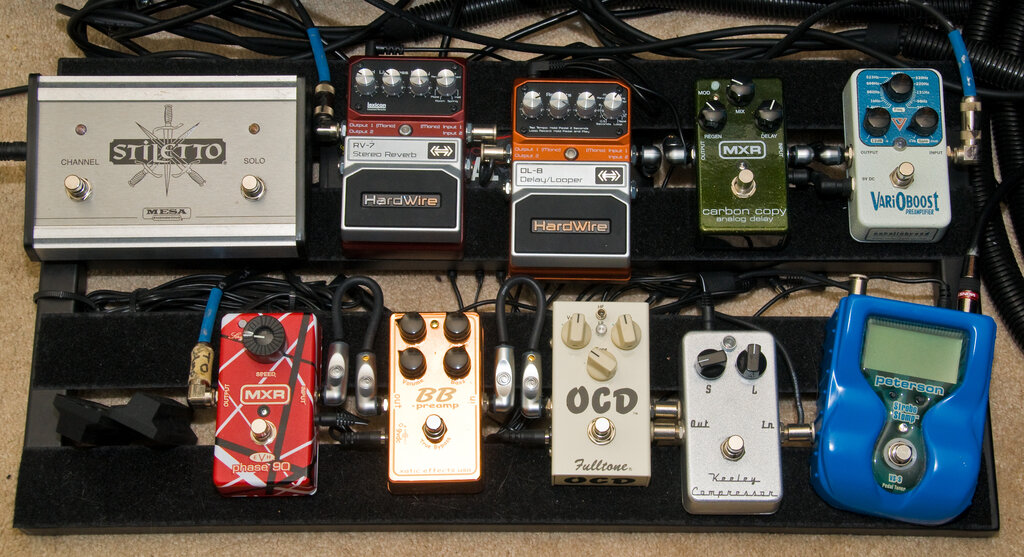
These devices are often housed in small, durable metal boxes called stompboxes, designed to be placed on the floor and activated with a foot press. This allows a musician to change their sound on the fly while performing. A collection of these pedals linked together is called a pedalboard.
Common Flavors of Sound
Effects pedals can be grouped into a few broad categories. While there are hundreds of unique sounds, most fall under one of these families.
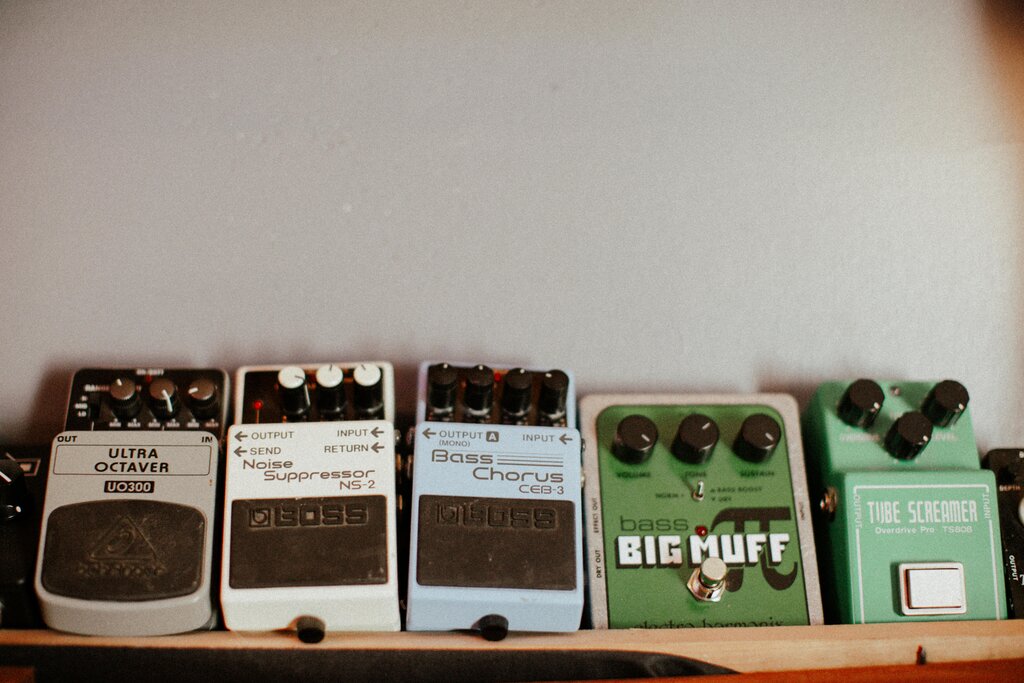
Gain-Based Effects: These pedals, like overdrive, distortion, and fuzz, work by boosting the audio signal until it clips, adding warmth, grit, and aggression. Overdrive is the mildest, simulating a cranked tube amplifier. Distortion is more intense, and fuzz is an extreme, saturated version of the effect.
Time-Based Effects: This group manipulates time. A delay pedal records a piece of your audio and plays it back, creating an echo. You can control how long the delay is and how many times it repeats. Reverb simulates the sound of an instrument in a physical space, from a small room to a vast cathedral, by creating a complex wash of echoes.
Modulation Effects: These effects create movement in your sound by modulating, or changing, some aspect of the audio signal over time. A chorus pedal makes it sound like multiple instruments are playing the same part at once. Phasers and flangers create a sweeping, whooshing sound. Tremolo creates a pulsing effect by rapidly raising and lowering the volume.
Inside the Box
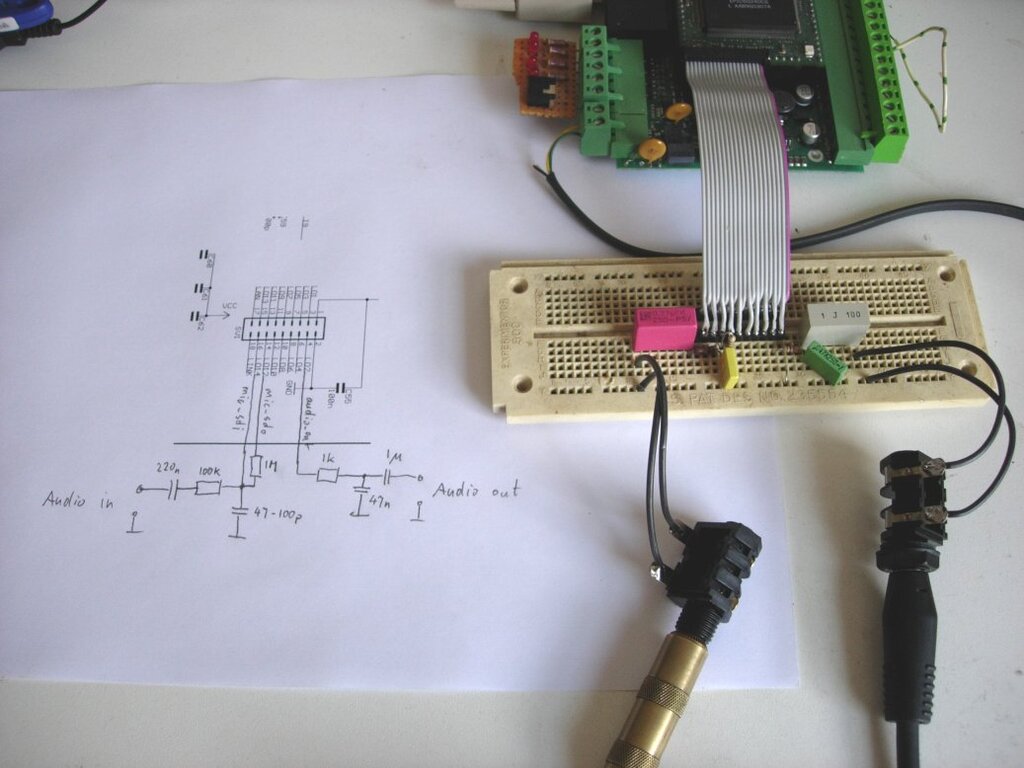
At its heart, an effects pedal is a simple electronic circuit. Though designs can get complex, most are built from a handful of fundamental components that work together to shape the sound. Understanding these building blocks is the first step to understanding how pedals work.
Resistor
noun
Controls the flow of electrical current in a circuit. Think of it as a valve that restricts how much water can flow through a pipe.
Capacitor
noun
Stores electrical energy in an electric field. In audio circuits, they are often used to filter frequencies, controlling the treble and bass content of the sound.
Op-Amp
noun
Short for operational amplifier, this is an integrated circuit that amplifies signals. It's the workhorse in many pedals, especially overdrives and distortions, providing the boost needed to create clipping.
These three components, arranged in different ways, form the foundation of countless classic effects. By changing their values and how they connect, engineers and hobbyists can create a universe of different sounds.
What is the primary function of an effects pedal?
A collection of effects pedals linked together on a single surface is known as a ________.
Now you know the basics of what effects pedals are, what they do, and what they're made of. This foundation will help as you start to explore how these simple circuits can create such a wide variety of sounds.