Electronics Contract Manufacturing Explained
Introduction to Electronics Contract Manufacturing
The Hidden Factories
The smartphone in your pocket, the computer on your desk, the smart thermostat on your wall—chances are, the company whose name is on the device didn't actually build it. Instead, they likely hired a specialist to handle the complex process of turning a design into a physical product. This is the world of electronics contract manufacturing (ECM).
An electronics contract manufacturer is a company that makes electronic products for other companies on a contract basis. Think of it like a film studio. The studio comes up with the script, hires the actors, and markets the movie, but they hire a specialized production company to handle the cameras, lighting, and a thousand other on-set details. In the same way, a tech company might design a groundbreaking new gadget but partner with an ECM to source the tiny components, assemble the circuit boards, and manage the entire production line.
Involving your ECM early in development helps you enjoy a more stable, predictable product launch and life cycle.
From In-House to Global
Decades ago, most major electronics companies were vertically integrated. They designed, manufactured, and assembled almost everything themselves. A company like IBM would not only design its computers but also own the factories that made the components and the assembly lines that put them together. This model gave them total control, but it was also incredibly expensive and slow.
Starting in the late 1970s and accelerating through the 80s and 90s, a shift began. Companies realized they could be more agile and profitable by focusing on their core strengths, like research and development or brand building. They started outsourcing the manufacturing to specialized firms. This trend exploded with globalization. Contract manufacturers, particularly in Asia, could produce high-quality electronics at a lower cost, creating a global supply chain that powers the tech industry today.
More Than an Assembly Line
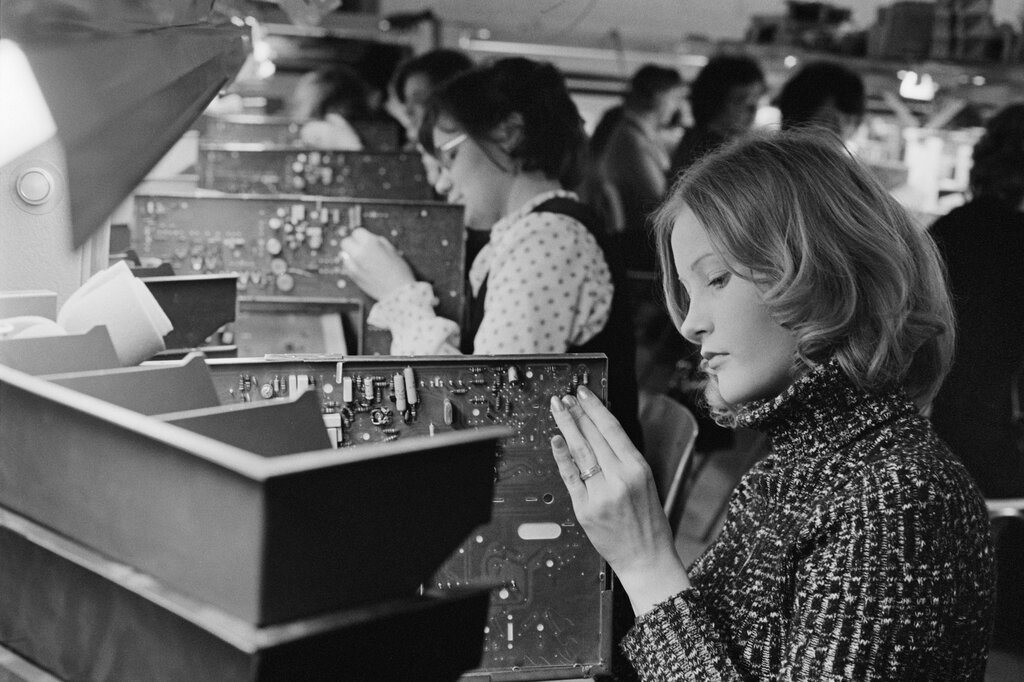
The services offered by modern ECMs go far beyond simply putting parts together. They are often deeply integrated partners in the product development process. A typical partnership involves several key stages, each requiring specialized expertise.
From refining a schematic to make it easier to build, to managing a global network of component suppliers, the ECM acts as a hub of manufacturing knowledge. This comprehensive approach is a major reason why companies choose to outsource.
The Pros and Cons
Partnering with an ECM offers significant advantages. Companies can tap into massive economies of scale. A contract manufacturer producing millions of units for multiple clients can get better prices on components than a single company ever could. It also eliminates the need for massive capital investment in factories and equipment, freeing up resources for innovation.
However, outsourcing isn't without its risks. Handing over production means giving up a degree of control, which can sometimes lead to quality issues if the partnership isn't managed carefully. Protecting intellectual property is also a major concern; companies must ensure their designs and innovations are secure. Finally, relying on a manufacturer halfway around the world can introduce logistical hurdles and vulnerabilities, from shipping delays to geopolitical instability.
| Advantages | Challenges |
|---|---|
| Lower costs | Loss of direct control |
| Access to expertise | Intellectual property risk |
| Faster time-to-market | Communication barriers |
| Focus on core business | Supply chain complexity |
Ultimately, the decision to use an ECM is a strategic one. It involves weighing the powerful benefits of specialized, cost-effective manufacturing against the inherent risks of a complex global partnership.
Now, let's test your understanding of these core concepts.
What is the primary function of an electronics contract manufacturer (ECM)?
What was the dominant manufacturing model for large electronics companies before the rise of outsourcing to ECMs?
Navigating the world of electronics manufacturing requires a solid grasp of its key ideas. Use these flashcards to review the main points we've covered.
Understanding electronics contract manufacturing is key to understanding how most of the technology we use every day comes to be. It's a system of global partnerships that turns brilliant ideas into tangible products.