Electronic Funds Transfer Explained
Introduction to Electronic Funds Transfer
Moving Money Digitally
Any time you move money from one bank account to another without using physical cash or a paper check, you're using an Electronic Funds Transfer, or EFT. It’s the backbone of modern finance, covering everything from your morning coffee purchase with a debit card to your monthly paycheck landing in your account.
Electronic Funds Transfer (EFT)
noun
The electronic transfer of money from one bank account to another, either within a single financial institution or across multiple institutions, through computer-based systems.
Think of it like sending a message. In the past, you had to write a letter, put it in an envelope, and have it physically delivered. Now, you send an email or a text, and it arrives almost instantly. EFTs do the same for money, replacing the physical movement of currency with a secure exchange of digital information.
How an EFT Works
Though they seem instant, EFTs follow a clear, structured path. Every transaction, whether it's an ATM withdrawal or a direct deposit, involves a few key steps to ensure the money gets from the right sender to the right recipient securely. The process involves initiating the payment, sending the instructions through a network, and then settling the funds between the banks.
First, the sender initiates the transaction. This could be you swiping your debit card, scheduling a bill payment online, or your employer setting up your direct deposit. Next, the transaction details are transmitted through a secure network, like the Automated Clearing House (ACH) network, which acts as a financial postal service. The banks involved then process the request, verifying that the funds are available and the account details are correct. Finally, in the settlement phase, the money is officially moved from the sender's bank to the recipient's bank.
From Paper to Pixels
The shift from paper-based transactions to electronic ones didn't happen overnight. For centuries, finance relied on physical tokens: coins, bills, and then paper checks. While checks were an improvement over carrying large amounts of cash, processing them was slow and cumbersome, requiring them to be physically transported and sorted.
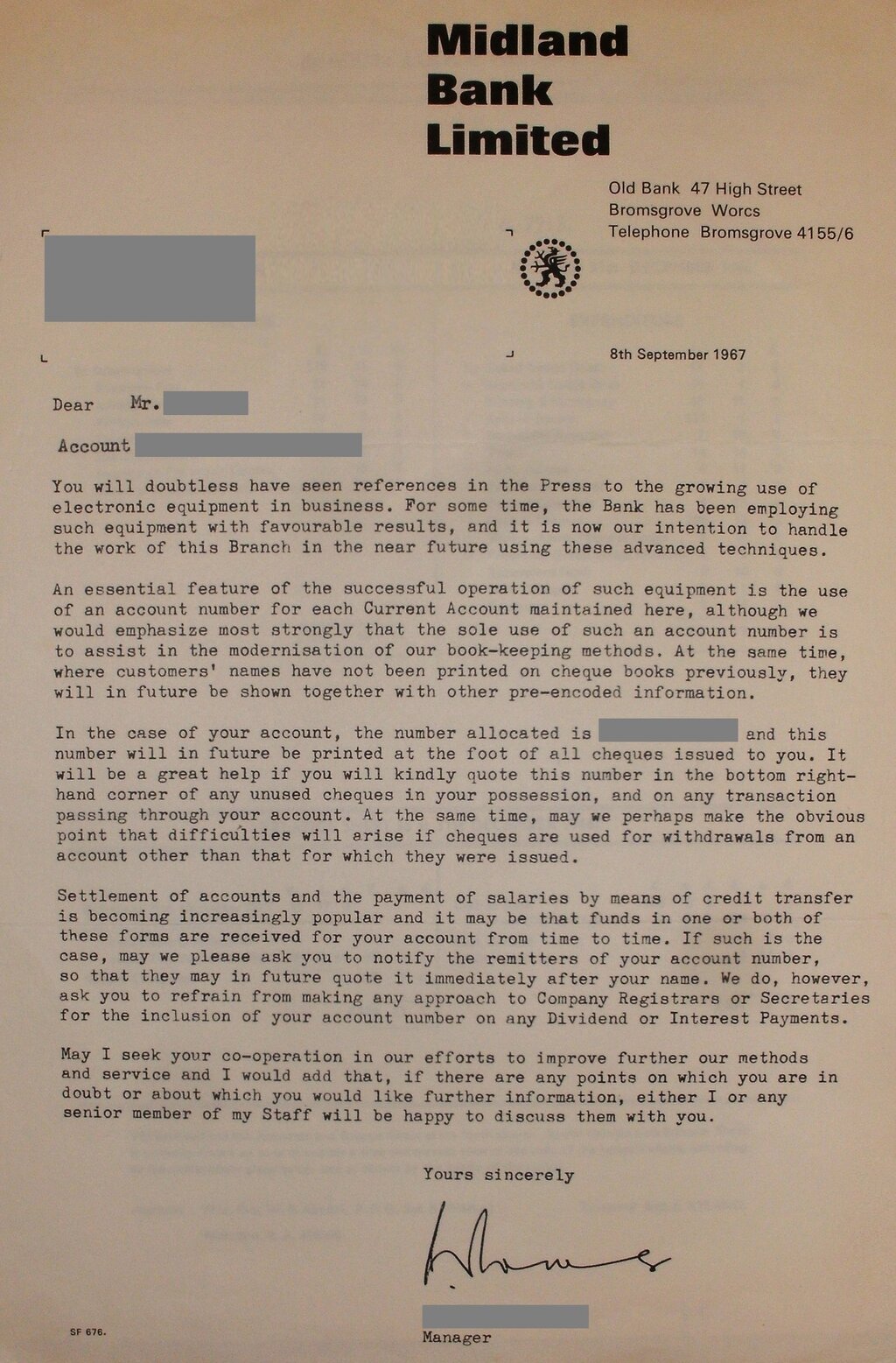
The development of computer networks in the 1960s and 1970s paved the way for a new system. Banks began creating networks to clear and settle transactions electronically. The Automated Clearing House (ACH) network, established in the 1970s, was a major milestone. It allowed for the batch processing of large volumes of payments, making services like direct deposit and automatic bill payments possible and affordable.
EFT in Daily Life
Today, EFT is so integrated into our lives that we often don't think about it. It has made financial transactions faster, more convenient, and more secure. Different types of EFTs serve different purposes, from everyday purchases to international transfers.
| Type of EFT | Common Use |
|---|---|
| Direct Deposit | Receiving paychecks or government benefits directly into a bank account. |
| ATM Transactions | Withdrawing cash or checking account balances. |
| Debit Card Purchases | Paying for goods and services at a point-of-sale (POS) terminal. |
| Online Bill Pay | Paying recurring bills like rent, utilities, or credit card payments. |
| Wire Transfers | Sending large sums of money quickly, often for significant purchases like a house. |
Each of these systems plays a crucial role in the vast network that keeps money flowing through the economy. They have reduced our reliance on cash and made commerce possible on a global, digital scale.
What is the primary function of an Electronic Funds Transfer (EFT)?
The development of the Automated Clearing House (ACH) network was a major milestone for EFTs.
Electronic Funds Transfer is the invisible engine of modern commerce, quietly and efficiently moving money in the background of our daily activities.