Electrocardiograms Explained
Heart Electrical Activity
The Heart's Electrical Symphony
Your heart beats about 100,000 times a day, a steady rhythm that keeps you alive. But what orchestrates this constant, powerful work? It's not magic; it's a sophisticated electrical system. Think of it as a tiny, perfectly timed symphony conducted within your chest. Understanding this system is the first step to understanding how we can listen in on its performance with an electrocardiogram (ECG).
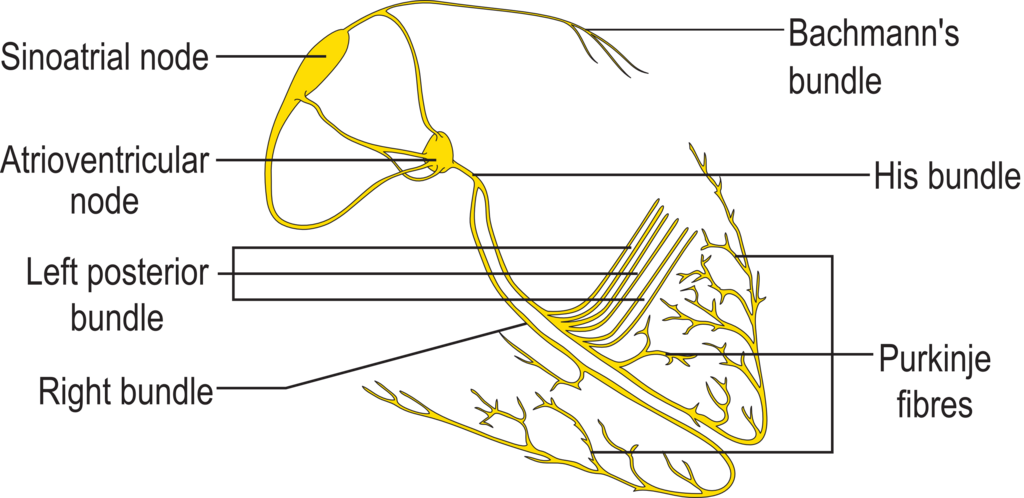
The music starts at the sinoatrial (SA) node, located in the right atrium. This is the heart's natural pacemaker. It generates a steady stream of electrical impulses, setting the pace for your heart rate. This impulse first spreads across both atria, the heart's upper chambers, telling them to contract and push blood down into the ventricles.
The SA node is the conductor, initiating the electrical signal that starts each heartbeat.
Next, the signal reaches the atrioventricular (AV) node, which sits between the atria and the ventricles. The AV node acts like a gatekeeper. It holds the signal for a fraction of a second. This slight delay is crucial; it gives the atria enough time to finish contracting and fill the ventricles with blood before the ventricles are told to pump.
From the AV node, the impulse travels down a specialized pathway called the bundle of His. This bundle splits into right and left branches, which extend through the wall separating the ventricles. Finally, these branches fan out into a network of Purkinje fibers that spread the electrical signal rapidly throughout both ventricles, causing them to contract forcefully and pump blood out to the lungs and the rest of the body.
Depolarization and Repolarization
So what is this electrical signal? It's a wave of activity created by the movement of charged particles, or ions, across the membranes of heart muscle cells. This process occurs in two main phases.
Depolarization
noun
A change within a cell, during which the cell undergoes a shift in electric charge distribution, resulting in less negative charge inside the cell. In muscle cells, this leads to contraction.
When a heart cell is at rest, it has a negative electrical charge inside. When the electrical impulse arrives, it opens channels in the cell's membrane, allowing positive ions (like sodium and calcium) to rush in. This influx of positive charge is called depolarization. It reverses the cell's internal charge from negative to positive, and this change is what triggers the muscle cell to contract.
After the contraction, the cell needs to reset. This is called repolarization. The channels that let positive ions in now close, and other channels open to let positive ions (like potassium) flow out. This restores the cell's resting negative charge, allowing the muscle to relax and prepare for the next beat.
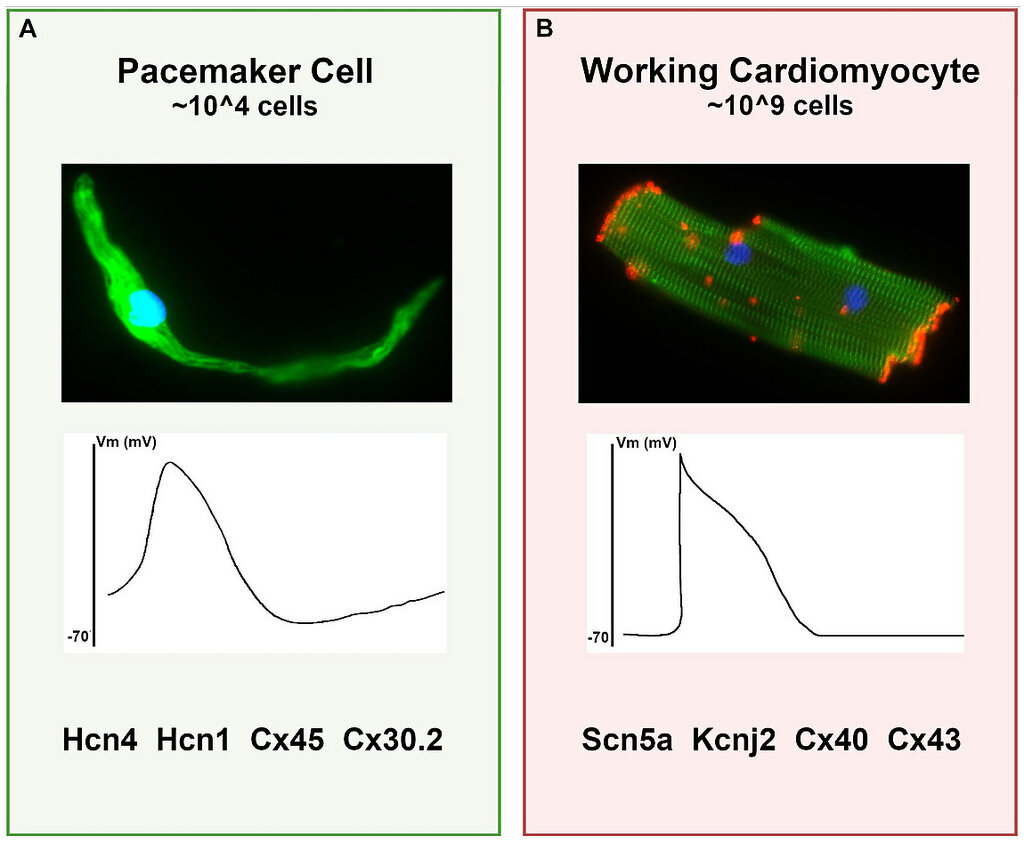
This wave of depolarization followed by repolarization sweeps through the heart in a coordinated pattern, from the atria to the ventricles, creating the electrical activity that an ECG machine records.
From Signal to Squeeze
The entire purpose of this electrical system is to produce a mechanical result: the pumping of blood. The cardiac cycle is the sequence of events that occurs with each heartbeat, and it's a perfect marriage of electrical signals and mechanical action.
-
Atrial Depolarization: The SA node fires, and the wave of depolarization spreads across the atria. This electrical event causes a mechanical one: the atria contract, pushing blood into the ventricles.
-
Ventricular Depolarization: The signal passes through the AV node, down the bundle of His, and through the Purkinje fibers, depolarizing the ventricles. This powerful electrical event triggers the ventricles to contract, pumping blood to the lungs (from the right ventricle) and the body (from the left ventricle).
-
Ventricular Repolarization: After contracting, the ventricle cells repolarize. This is an electrical reset that allows the ventricular muscle to relax, preparing to be filled with blood from the atria for the next cycle.
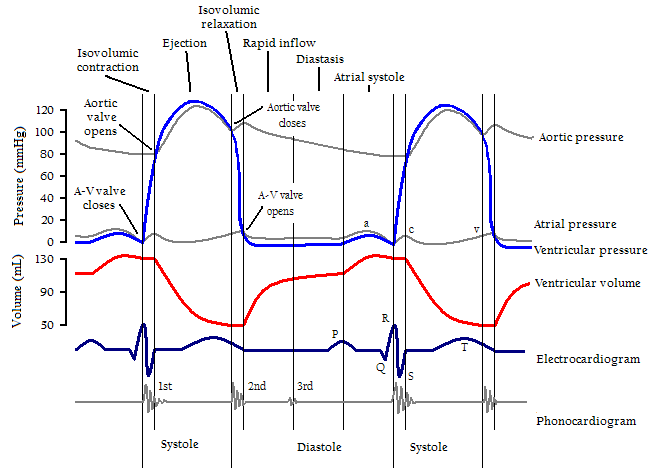
The entire process is a continuous, rhythmic cycle. The electrical system provides the instructions, and the heart muscle carries them out, ensuring blood is circulated efficiently with every single beat.
What is considered the heart's natural pacemaker, responsible for initiating the electrical impulse?
What is the primary purpose of the brief delay at the atrioventricular (AV) node?