Electricity Conversion and Storage Technologies
Energy Storage Fundamentals
Balancing the Grid
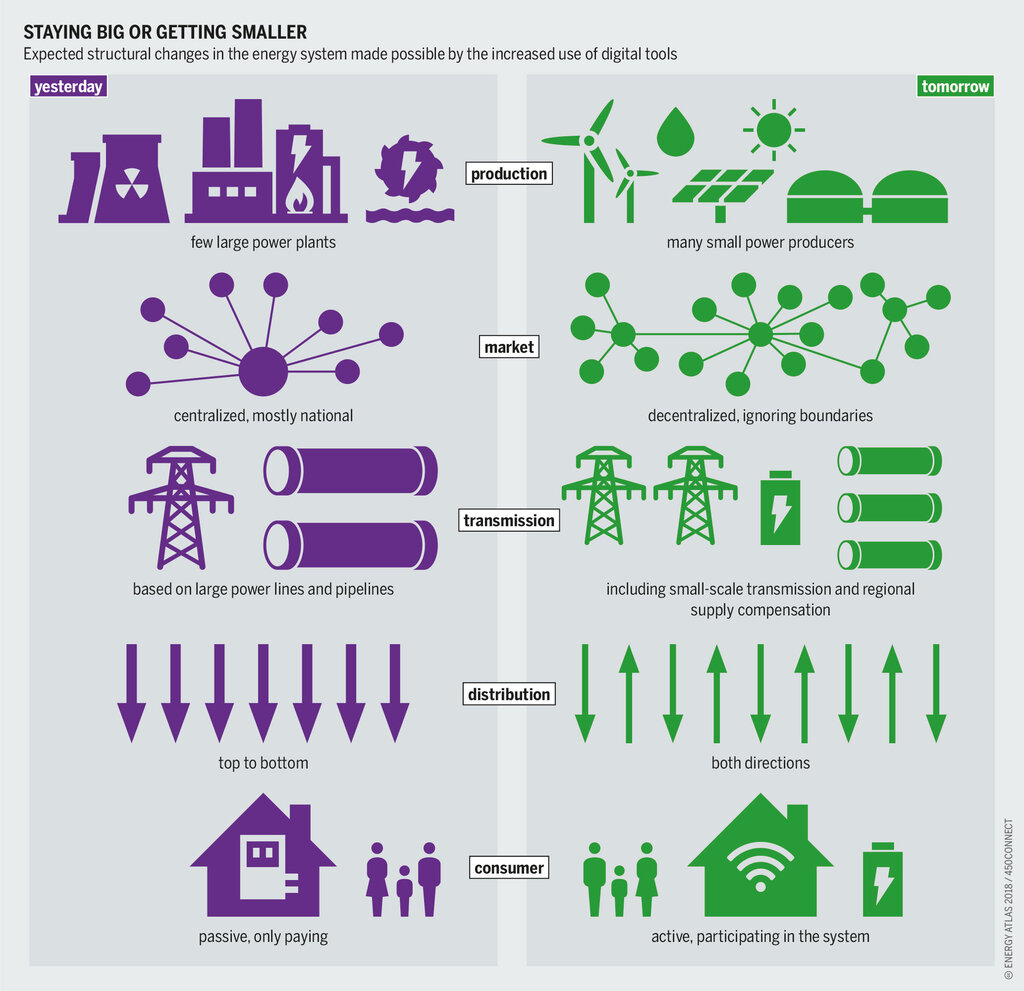
Our demand for electricity isn't constant. We use more in the evening when we get home from work and less in the middle of the night. On the other hand, energy production can also be inconsistent. The sun doesn't always shine, and the wind doesn't always blow.
This mismatch between supply and demand is a major challenge for the power grid. How do you provide reliable power when your sources are intermittent? The answer is energy storage. It acts as a buffer, saving excess energy when production is high and releasing it when demand peaks.
Energy storage bridges the gap between when energy is produced and when it's needed, ensuring a steady, reliable flow of power.
Primary vs. Secondary Energy
To understand storage, it helps to distinguish between different types of energy sources.
Primary energy sources are found in nature. They are raw fuels that haven't been converted into another form. Think of crude oil, coal, natural gas, wind, and solar radiation. We harness these directly from the environment.
Secondary energy sources, like electricity, are derived from primary sources. We burn natural gas (primary) to create steam that spins a turbine, generating electricity (secondary). Electricity is incredibly useful because it's a versatile energy carrier, but it's notoriously difficult to store in its original form.
Because storing massive amounts of raw electricity is impractical, energy storage technologies work by converting it into a more stable, storable form.
The Principle of Conversion
The fundamental principle of energy storage is conversion. Electrical energy is transformed into another form of potential energy, held in a storage medium, and then converted back into electricity when needed.
There are three main categories for this conversion:
- Chemical: Electricity drives a chemical reaction, storing energy in chemical bonds. Batteries are the most common example. When you need power, the reaction reverses, releasing electricity.
- Mechanical: Electricity is used to create motion or potential energy in a physical object. This includes pumping water uphill to a reservoir (pumped-hydro storage) or spinning a large flywheel at high speed.
- Thermal: Electricity is used to heat a material, like molten salt, or to cool a substance to very low temperatures. This stored thermal energy can later be used to generate steam and drive a turbine, creating electricity again.
Each conversion process involves some energy loss, so a key goal in storage technology is to make these round-trip conversions as efficient as possible.
Now that you understand the basic concepts, let's test your knowledge.
What is the primary reason energy storage is crucial for the modern power grid?
Which of the following is an example of a primary energy source?