Electrical Relay Protection Settings
Introduction to Protective Relays
The Grid's Silent Guardian
Your home's electrical panel has circuit breakers. When you plug in too many appliances and overload a circuit, a breaker trips, cutting the power to prevent a fire. It's a simple, effective safety device. Now, imagine that system scaled up to protect an entire city's power grid.
That's the job of a protective relay. These devices are the brains behind the brawn of the electrical system. They are highly sensitive, intelligent switches that constantly monitor the flow of electricity. Their purpose is simple but critical: to detect a problem, or a "fault," and act instantly to isolate it before it causes a blackout or damages expensive equipment.
A fault can be anything from a tree branch falling on a power line to equipment failure. The relay's job is to contain the damage to the smallest possible area, as quickly as possible.
How Relays Sense Trouble
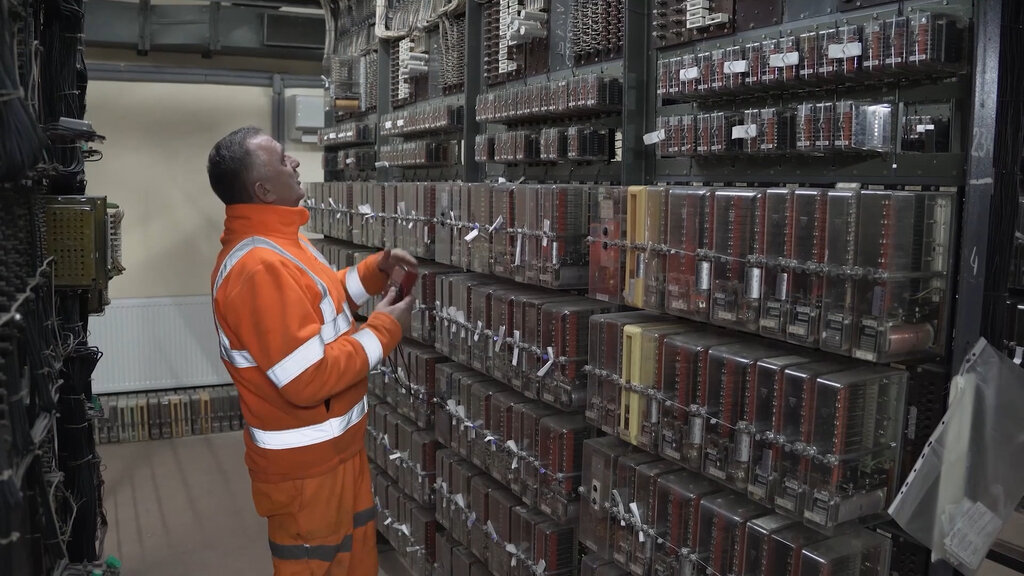
Protective relays work by watching for abnormal conditions. They continuously measure key electrical quantities like current, voltage, and frequency. Think of them as tireless security guards watching monitors. As long as everything stays within a pre-set, normal range, the relay does nothing.
But when a fault occurs, these values change dramatically. For example, a short circuit from a downed power line will cause a massive surge of current. The relay instantly detects this spike.
Once it identifies a fault, the relay doesn't open the circuit itself. It's not strong enough for that. Instead, it sends a command, called a "trip signal," to a much larger and more robust switch: a circuit breaker. The circuit breaker then physically opens, interrupting the flow of electricity and isolating the faulty line from the rest of the grid. This entire process happens in a fraction of a second.
A Family of Protectors
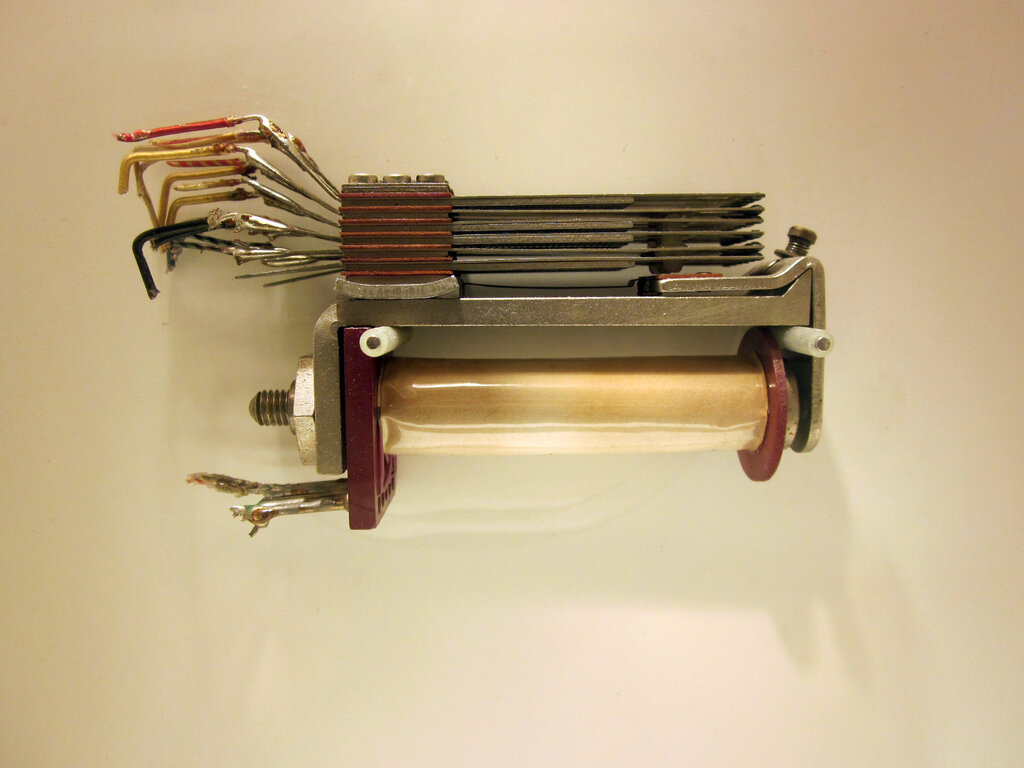
Relay technology has evolved significantly over the years. Early power systems used electromechanical relays. These were clever devices that used the magnetic force from a high fault current to physically pull a switch closed, tripping the circuit breaker. They were the workhorses of the grid for decades.
In the mid-20th century, solid-state relays appeared. They had no moving parts, instead using electronic components like transistors and diodes to do the same job. This made them faster, more reliable, and longer-lasting than their mechanical predecessors.
The modern standard is the numerical relay. These are essentially small, dedicated computers. A single numerical relay can perform the functions of many older relays at once. They are highly programmable, can communicate with grid control centers, and can even record detailed data during a fault. This data is invaluable for engineers trying to understand what went wrong and how to prevent it in the future.
| Relay Type | Key Feature | Era |
|---|---|---|
| Electromechanical | Uses a magnetic coil and moving parts. | Early to mid-20th century |
| Solid-State | Uses electronic components, no moving parts. | Mid to late 20th century |
| Numerical | Microprocessor-based, programmable, and digital. | Late 20th century to present |
No matter the type, the fundamental role of the protective relay is the same: to act as an automated, high-speed safety system. By swiftly detecting and isolating faults, they protect expensive transformers, generators, and power lines from catastrophic damage and help keep the lights on for everyone else.
What is the primary function of a protective relay in an electrical power grid?
When a protective relay identifies a fault, it sends a 'trip signal' to what other device?