Electrical Power Distribution Systems Explained
Introduction to Power Distribution
The Journey of Electricity
Flipping a light switch is simple, but the journey electricity takes to reach that switch is complex. It involves a massive, interconnected network called the power grid. This grid has three main jobs: generating power, transmitting it over long distances, and finally, distributing it to homes, schools, and businesses.
Power distribution is this final, crucial step. It’s the process of taking high-voltage electricity from the transmission system and delivering it safely to end-users at voltages they can use.
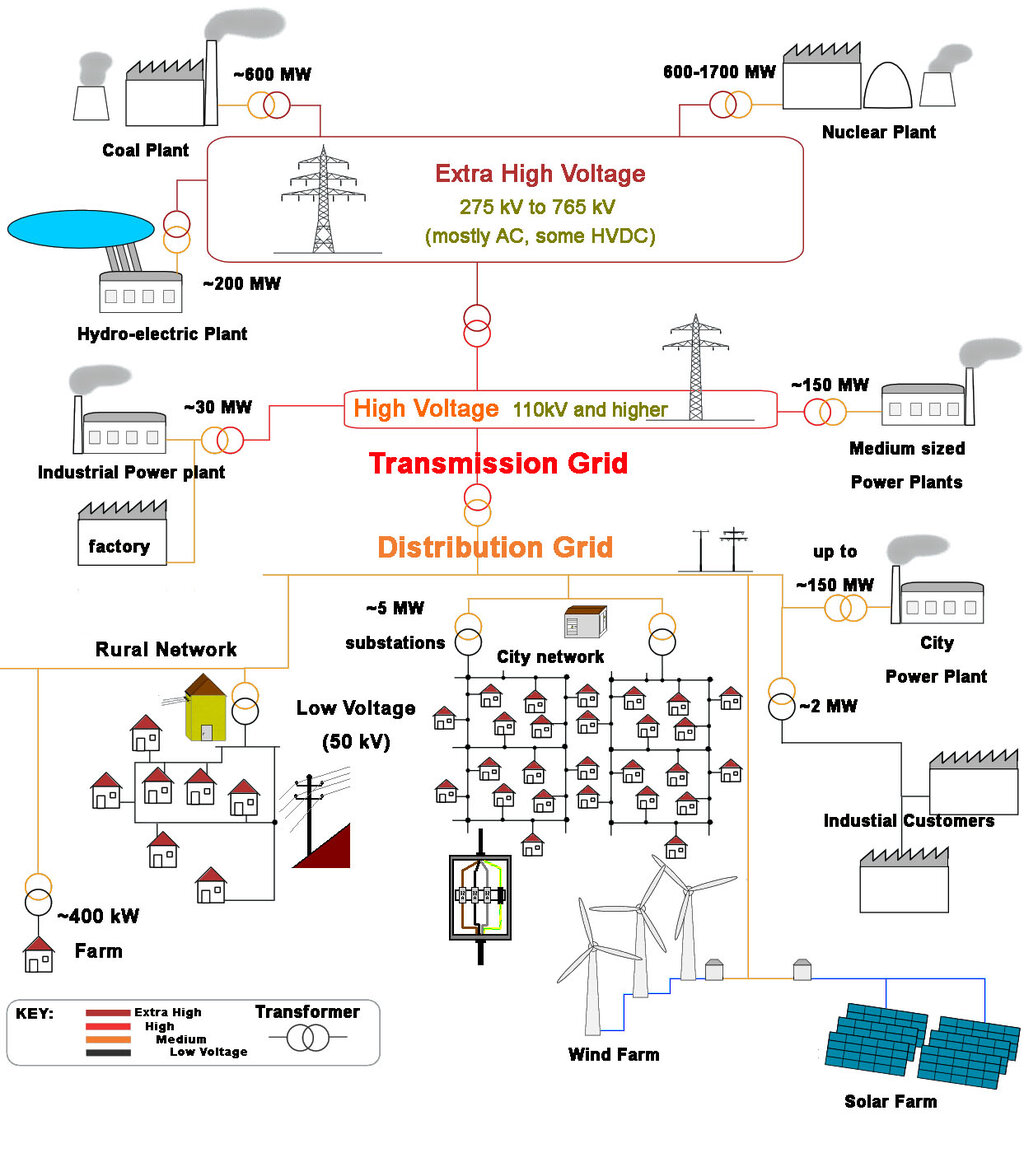
Think of the power grid like a country's road system. Power plants are the major factories producing goods. The transmission system is like the interstate highway system, moving large amounts of goods (electricity) quickly across the country at high speeds (high voltage). Finally, the distribution system is like the local city streets and roads that deliver those goods to your doorstep.
Generation creates the power. Transmission moves it far and wide. Distribution delivers it to your door.
From Highway to Driveway
Electricity travels most efficiently over long distances at very high voltages, often hundreds of thousands of volts. But you can't plug a toaster into a line carrying that much power. The distribution network's main task is to 'step down' this voltage to a usable level.
This process starts at electrical substations. These are the interchanges between the high-voltage transmission 'highways' and the lower-voltage distribution 'streets'. Large transformers at these substations reduce the voltage significantly.
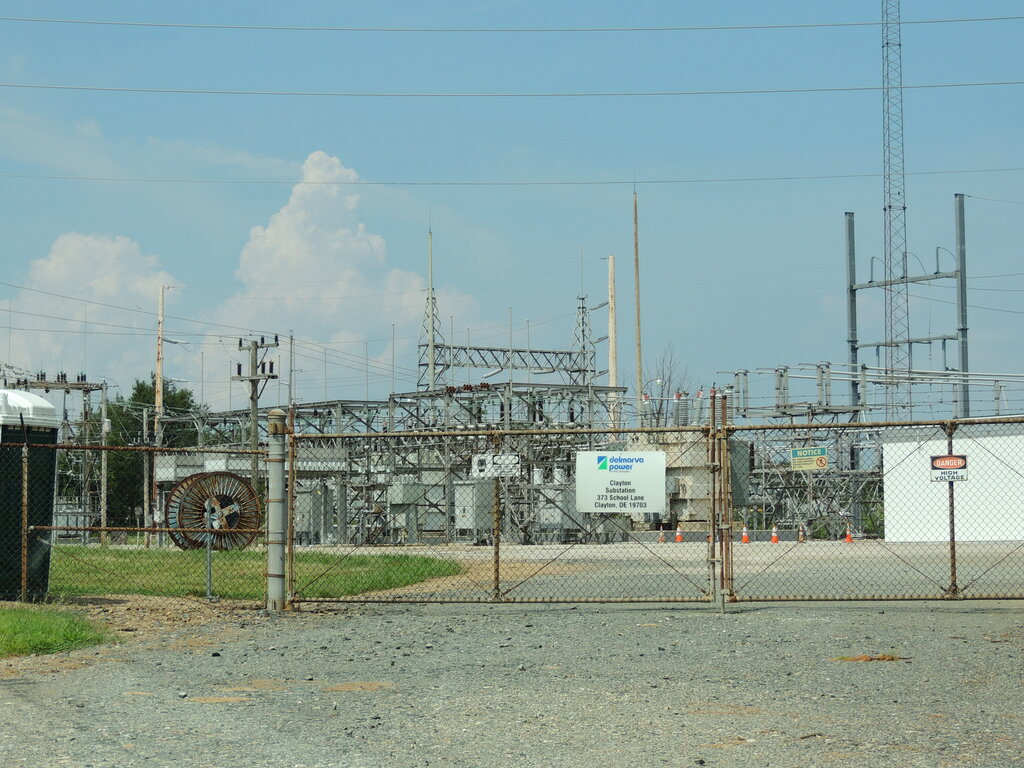
From the substation, a network of smaller power lines, either overhead on poles or buried underground, carries the electricity into neighborhoods. Along these routes, smaller pole-mounted or pad-mounted transformers step the voltage down again, right before it enters a building. This ensures the power delivered to your outlets is at a standard, safe voltage.

Without this carefully managed distribution network, the electricity generated miles away would be useless. It's the essential link that connects massive power plants to the individual light bulb, making modern life possible. Let's review these key ideas.
What is the primary role of the power distribution system?
In the analogy of the power grid as a road system, the high-voltage transmission system is compared to the interstate highway. What represents the local city streets?
The distribution system is truly the 'last mile' of the electrical grid, ensuring that power is not only produced but also delivered right where it's needed.