Electric Motor Starters Explained
Introduction to Electric Motor Starters
More Than Just an On Switch
Flipping a light switch is simple. You close a circuit, and a small amount of electricity flows to a bulb. Starting an electric motor, especially a large one, isn't so straightforward. Just connecting it directly to a power source would be like trying to control a firehose by kinking it with your hands. It's abrupt, inefficient, and potentially dangerous.
This is where a motor starter comes in. A motor starter is a device that safely controls the use of electrical power to start, stop, and protect an electric motor. Think of it as a sophisticated manager for the motor, ensuring it gets the right amount of power at the right time.
At its core, a motor starter bridges the gap between the power supply and the motor, making the connection smooth and safe.
The Key Jobs of a Starter
A starter has three primary responsibilities that go far beyond a simple on/off function.
overload
noun
A condition where a motor draws too much electrical current, usually because it is working too hard. This generates excess heat and can damage the motor's internal wiring.
1. Controlled Startup: When a motor first starts, it tries to draw a huge surge of electricity called an "inrush current." This spike can be six to eight times the motor's normal running current. A starter manages this surge, gradually ramping up the power. This prevents voltage dips across the electrical system and reduces mechanical stress on the motor and the machinery it's connected to.
2. Motor Protection: A starter acts as a bodyguard for the motor. Its most important protective job is to guard against overloads. If a motor is jammed or is trying to move a load that's too heavy, it will draw excess current, overheat, and eventually burn out. The starter senses this condition and automatically cuts power, saving the motor from expensive damage.
3. Operational Control: This is the most familiar function. The starter provides the basic means to turn the motor on and off. This can be done with a simple push button located near the machine or by a remote, automated signal from a computer system. This ensures that the motor only runs when it's needed, safely and efficiently.
Starters in Action
You can find motor starters in countless applications, from large industrial plants to everyday appliances. In a factory, they are essential for operating conveyor belts, large pumps, mixers, and air compressors. Without them, the facility's electrical grid would be unstable, and expensive motors would constantly be at risk of failing.
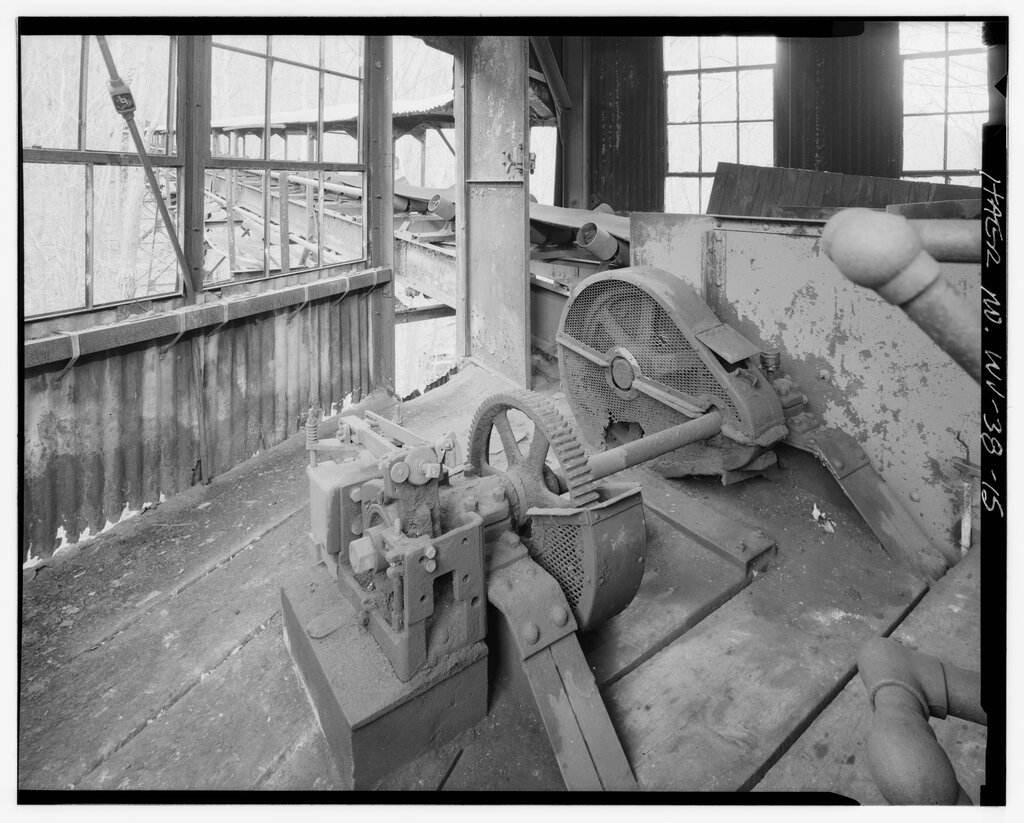
Closer to home, motor starters are used in systems like central air conditioners, well pumps, and large workshop tools like table saws or air compressors. In each case, they ensure the motor starts smoothly and is protected from electrical faults, providing safe and reliable operation for years.
Now, let's review the essential functions of these important devices.
What is the primary purpose of a motor starter?
The large initial surge of electricity a motor draws when it first turns on is known as __________.
Ultimately, a motor starter is a fundamental component for safety and efficiency wherever electric motors are used.