El Camino de Santiago A Spanish Pilgrimage
Origins and Early History
A Discovery Guided by Stars
The story of the Camino de Santiago begins in the early 9th century. According to legend, a hermit named Pelayo living in Galicia, a region in northwestern Spain, saw a strange star guiding him into the forest. He followed the light and discovered a hidden tomb containing the remains of a body that had been decapitated.
Pelayo reported his find to the local bishop, who identified the relics as those of Saint James the Great, one of Jesus's apostles. The story goes that James had preached in Spain before returning to Judea, where he was martyred. His followers were said to have brought his body back to Galicia for burial.
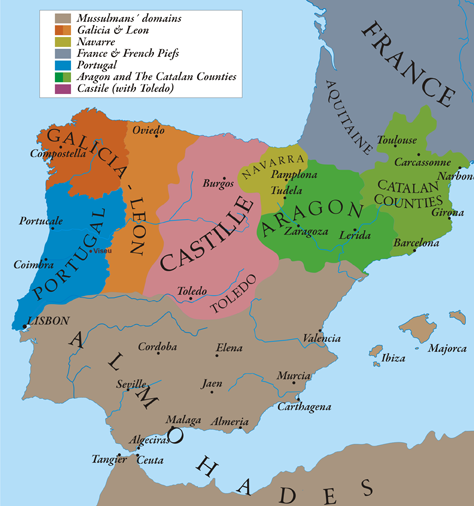
King Alfonso II of Asturias, ruler of the small Christian kingdom holding out against the Moorish-ruled majority of the Iberian Peninsula, recognized the discovery's power. He traveled to the site, becoming the first official pilgrim, and declared Saint James the patron saint of his kingdom. He ordered a small chapel to be built over the tomb, which would eventually grow into the magnificent Cathedral of Santiago de Compostela.
The Pilgrim's Road
The discovery turned Santiago de Compostela into one of the most important pilgrimage destinations in Christianity, rivaling Rome and Jerusalem. For medieval Europeans, a pilgrimage was a profound act of faith, undertaken for penance, to seek miracles, or to fulfill a sacred vow.
The Camino's rise was also political. The legend of Saint James became a rallying cry for the Reconquista, the centuries-long effort by Christian kingdoms to retake the Iberian Peninsula. Pilgrims crossing the Pyrenees from France and beyond helped to populate and secure the northern territories, strengthening the Christian frontier.
This constant flow of people turned the Camino into a highway of ideas. Travelers from across Europe shared knowledge, art, and customs. Romanesque architecture, with its grand stone churches and monasteries, spread along the route, a testament to the shared culture forged by the pilgrimage.
A Path of Welcome and Faith
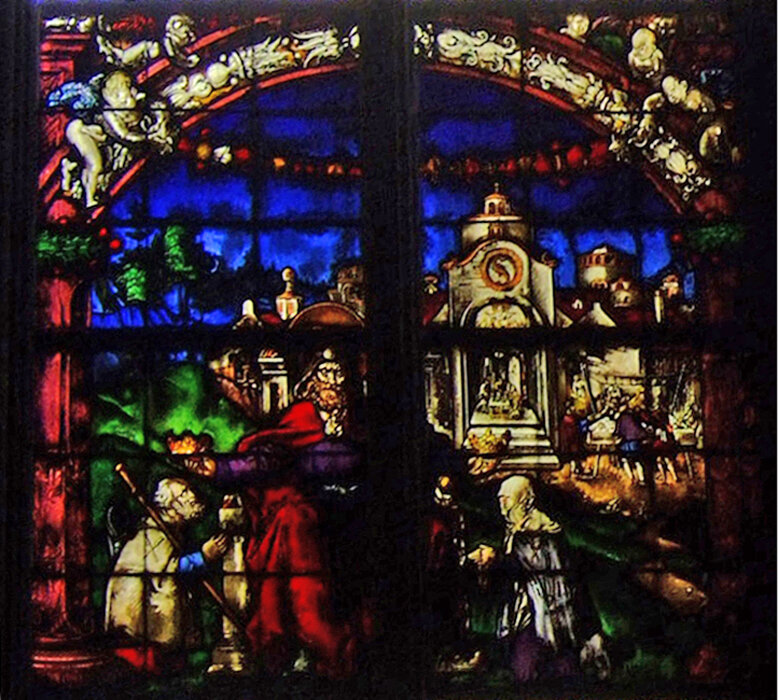
To support the thousands of travelers, a network of infrastructure sprang up along the main routes. Churches, monasteries, and hospices were built to offer pilgrims spiritual guidance, food, and a safe place to rest. Kings and nobles funded the construction of bridges and the improvement of roads to ease the difficult journey.
Religious and military orders, like the Knights Templar, also played a crucial role. They protected pilgrims from bandits and provided lodging in their fortified compounds. This system of support made the long and arduous journey possible for people from all walks of life.
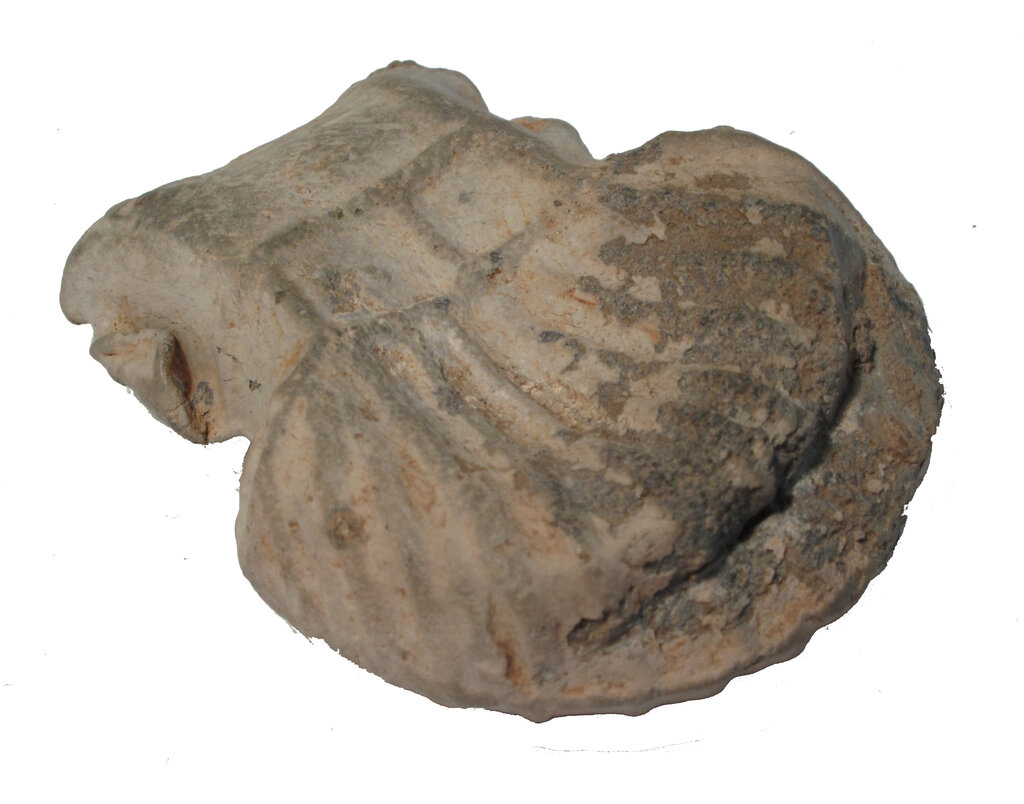
The most enduring symbol of the pilgrimage also emerged during this time: the scallop shell. Pilgrims would pick up a shell from the Galician coast to prove they had completed their journey. It soon became the emblem of the Camino.
The shell had practical uses, serving as a simple bowl for food and water. Symbolically, the lines on the shell, converging at a single point, represented the many routes pilgrims took, all leading to one destination: the tomb of Saint James.
While the primary motivation for most early pilgrims was religious devotion, the Camino served other purposes too. It was a route for trade, a path for soldiers, and an escape for those seeking adventure or a new life. Over centuries, these layers of meaning combined, creating a rich cultural tradition that continues to evolve.
Ready to test your knowledge?
According to legend, who was the hermit guided by a star to the tomb of Saint James?
What was the primary political significance of the Camino de Santiago during the medieval period?
The discovery of a tomb in the 9th century set in motion a tradition that would shape the history of Spain and Europe. What began as a local shrine grew into a continental network, a path of faith that brought people together across borders.