EHEA Values Explored
Introduction to EHEA
A Unified Space for Learning
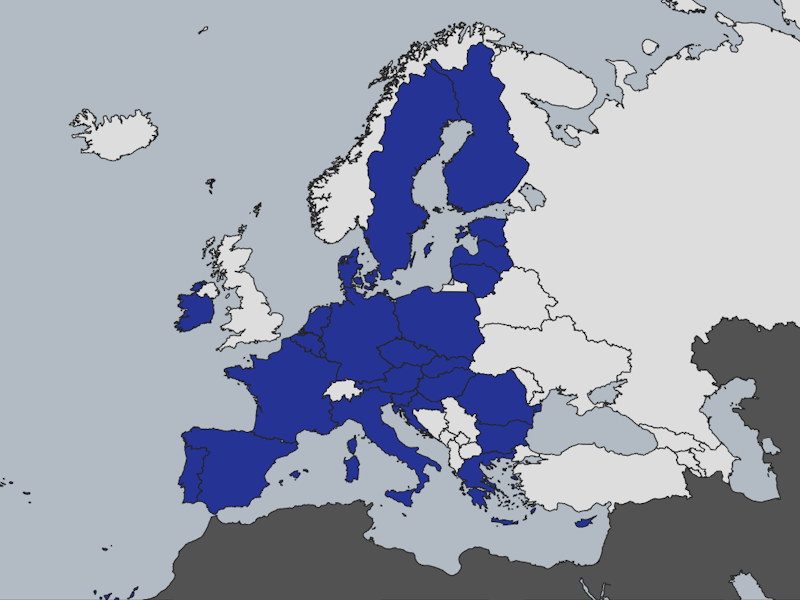
The European Higher Education Area, or EHEA, is a partnership between 49 countries to create a more coherent and compatible system of higher education across Europe. It’s not a centralized, top-down mandate from the European Union. Instead, it’s a voluntary agreement where countries work together to make it easier for students and staff to move, study, and work between nations.
Think of it as creating a common academic language. Before the EHEA, a degree from one country might not have been understood or valued the same way in another. This created barriers for students wanting to continue their studies abroad or for graduates seeking jobs in other European countries. The EHEA was designed to break down those walls.
The Road from Bologna
The journey began in 1999 with the Bologna Declaration. Education ministers from 29 European countries met in Bologna, Italy, with a bold vision: to establish a unified framework for higher education by 2010. The goal was to boost mobility and make European universities more competitive and attractive on a global scale.
This wasn't the very first step. A year earlier, in 1998, the Sorbonne Declaration was signed by the ministers of France, Germany, Italy, and the UK, laying the groundwork. But the Bologna Declaration was the official launchpad for this ambitious project. Since then, ministerial conferences have been held every few years to track progress and set new priorities.
The core idea was simple but powerful: harmonize the architecture of higher education systems without erasing the unique traditions of individual universities and countries.
What Are the Main Goals?
The EHEA is guided by several key objectives aimed at creating a borderless academic environment.
One of the most significant goals was establishing an easily understandable and comparable system of academic degrees. This led to the widespread adoption of a three-cycle structure. Most countries in the EHEA now organize their higher education around these three stages.
| Cycle | Degree | Typical Duration |
|---|---|---|
| First Cycle | Bachelor's Degree | 3-4 years |
| Second Cycle | Master's Degree | 1-2 years |
| Third Cycle | Doctoral Degree (PhD) | 3-4 years |
Another primary goal is to promote mobility. By making degrees and study periods comparable, the EHEA encourages students, teachers, and researchers to move between member countries. This fosters cultural exchange and the sharing of knowledge.
Finally, the EHEA is committed to enhancing quality and cooperation. Member countries work together to develop standards and guidelines for quality assurance, helping to build mutual trust in the academic standards of each nation's higher education system.
Key Milestones and Tools
The official launch of the European Higher Education Area was declared in 2010 at the Budapest-Vienna Ministerial Conference. This marked the achievement of the initial ten-year goal set by the Bologna Declaration. The work didn't stop there, of course. The EHEA continues to evolve.
To achieve its goals, the EHEA introduced several practical tools. One of the most important is the European Credit Transfer and Accumulation System (ECTS). It provides a common way to measure the workload of courses and programs.
ECTS
noun
A credit system based on the student workload required to achieve the objectives of a program. One academic year typically corresponds to 60 ECTS credits, making it easier to transfer academic achievements between institutions.
Another key tool is the Diploma Supplement. This document is issued to graduates alongside their official degree and provides a standardized description of the nature, level, context, content, and status of the studies they completed. It makes it much easier for employers and universities in other countries to understand a person's qualifications.
What was the primary goal of the 1999 Bologna Declaration?
Which tool helps employers and universities understand a graduate's qualifications by providing a standardized description of the nature, level, and content of their studies?
Together, these objectives and tools form the foundation of a dynamic and interconnected European academic community.