Egypt's Digital Agriculture Economy
Introduction to Egypt's Agricultural Economy
The Lifeblood of the Nation
For thousands of years, life in Egypt has revolved around the Nile River. This single source of water transforms a vast desert into a narrow, fertile ribbon of green, making agriculture possible. Even today, farming is a cornerstone of the Egyptian economy. It employs nearly a quarter of the workforce and provides a livelihood for millions of people, especially in rural areas.
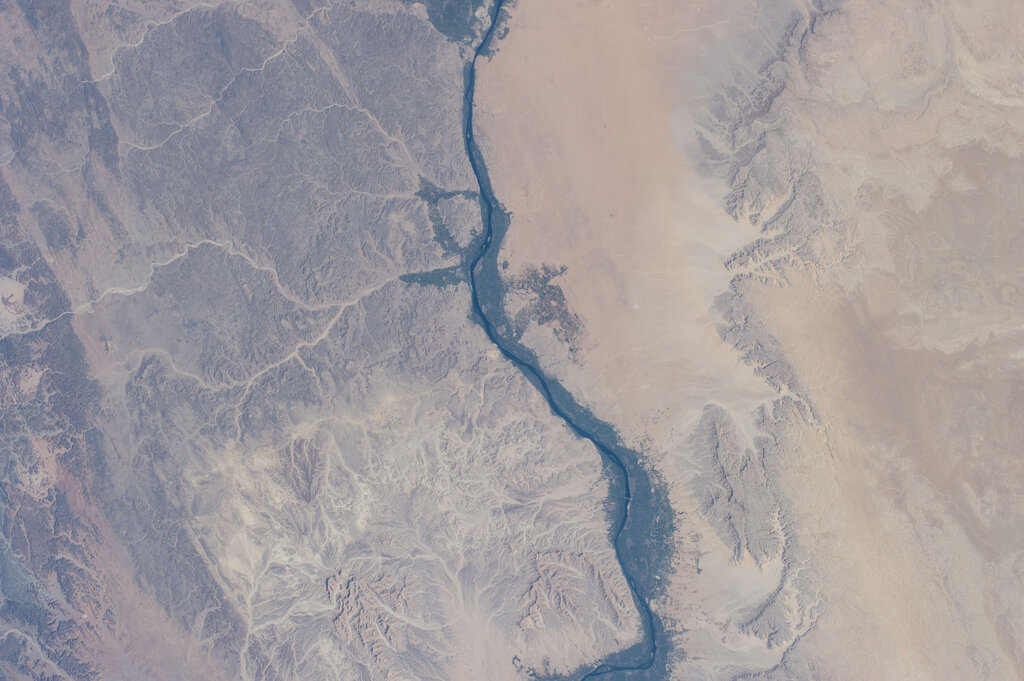
The country's agricultural identity is shaped by its unique geography. Over 95% of Egypt is desert, meaning farming is intensely concentrated along the Nile Valley and its delta. This limited area is responsible for feeding a population of over 100 million people and producing crops for export.
A Diverse Harvest
Egypt produces a wide variety of crops thanks to its sunny climate and fertile soil. These can be broken down into two main categories: staple crops that feed the population and cash crops grown primarily for sale and export.
Key staple crops include wheat, maize (corn), and rice, which form the basis of the national diet. On the other hand, Egypt is famous for its high-quality, long-staple cotton, often called "white gold," which is a major export. Fruits and vegetables like tomatoes, potatoes, oranges, and grapes also thrive here and are sold both domestically and abroad.
| Crop | Primary Use | Significance |
|---|---|---|
| Wheat | Staple Food (Bread) | Essential for national food security |
| Cotton | Export (Textiles) | Major source of foreign currency |
| Rice | Staple Food | Cultivated in the water-rich Nile Delta |
| Sugarcane | Sugar Production | Grown mainly in Upper Egypt |
| Oranges & Grapes | Domestic & Export (Fresh) | Important horticultural exports |
| Tomatoes | Domestic & Processing | Most widely grown vegetable crop |
The agricultural sector contributes around 11-12% to Egypt's Gross Domestic Product (GDP). While this might seem small compared to sectors like tourism or industry, its impact is much larger. It provides the raw materials for many food processing and textile industries, creating a ripple effect that supports jobs and economic activity across the country.
Challenges in the Field
Despite its importance, Egyptian agriculture faces serious hurdles. The most significant is water scarcity. The country is almost entirely dependent on the Nile River, and its water supply is under increasing pressure from a growing population and the effects of climate change.
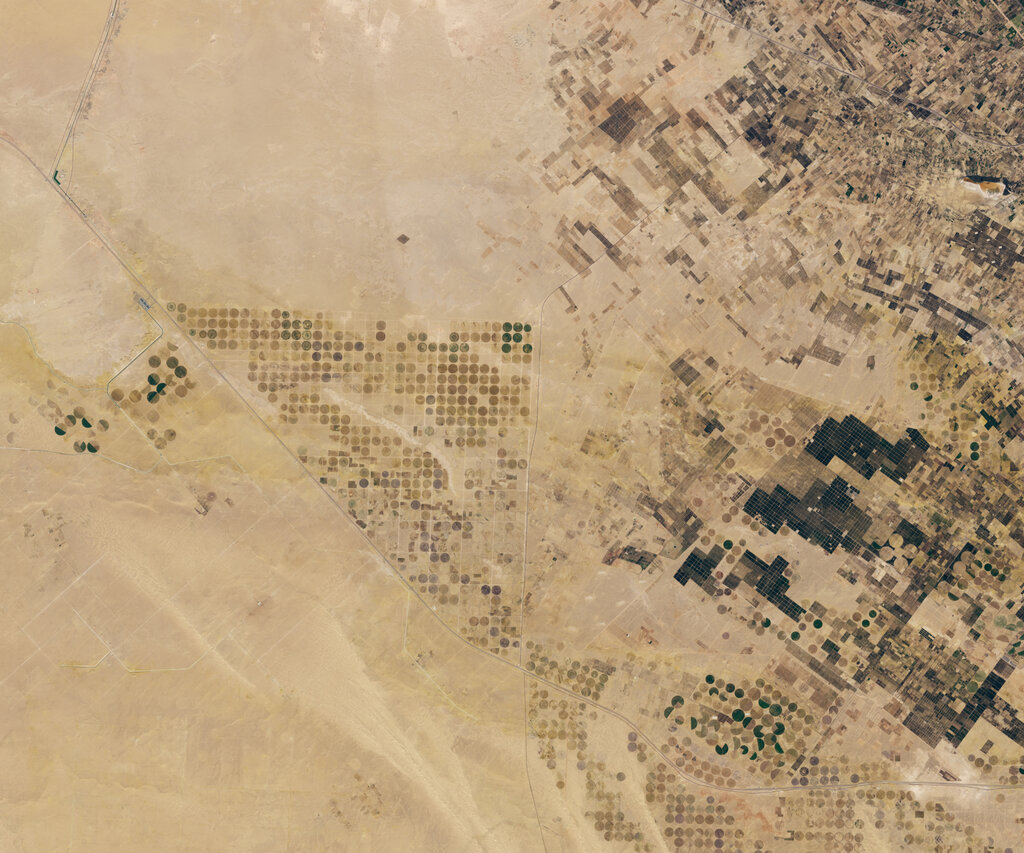
Another major issue is the limited amount of arable land. The fertile soil along the Nile is precious, but it's being threatened by urban sprawl as cities expand to accommodate more people. This means farmers are often forced to produce more food on less land.
Farmers also struggle with fluctuating market prices, the high cost of supplies like seeds and fertilizers, and access to modern farming techniques. These challenges combine to put a strain on their ability to make a living and on the country's ability to feed itself.
These impacts on agriculture are threatening food security in Egypt.
Understanding this landscape of opportunity and challenge is the first step. It sets the stage for exploring how new approaches can help secure the future of farming in Egypt.