Effortless Style Mastering Fashion Fundamentals
Introduction to Fashion Styling
The Language of Color
Fashion styling is a form of communication. Before you even speak, your clothes have already said something about you. One of the most powerful tools in this silent language is color. It can convey mood, signal confidence, and create a memorable impression.
To master color, stylists turn to a classic tool: the color wheel. It’s a simple circular diagram that shows the relationships between colors, helping you see which ones work together and which ones clash.
The wheel is built from just three primary colors: red, yellow, and blue. Mix them together, and you get the secondary colors: orange, green, and violet. Mixing a primary and a secondary color gives you a tertiary color, like blue-green or red-violet.
This simple tool unlocks powerful color combinations. Two key types are complementary and analogous.
Complementary colors sit directly opposite each other on the wheel, like red and green or blue and orange. They create high contrast and make each other appear brighter. Use them when you want an outfit to pop.
A blue dress with a pop of orange in a scarf or handbag creates a vibrant, eye-catching look. Because this pairing is so bold, it's often best to let one color dominate and use the other as an accent.
Analogous colors are neighbors on the wheel, like blue, blue-green, and green. They create harmonious, serene, and often elegant combinations because they share a common color.
Imagine an outfit using different shades of blues and greens. The effect is cohesive and pleasing to the eye, without the high drama of a complementary pairing.
Texture and Shade
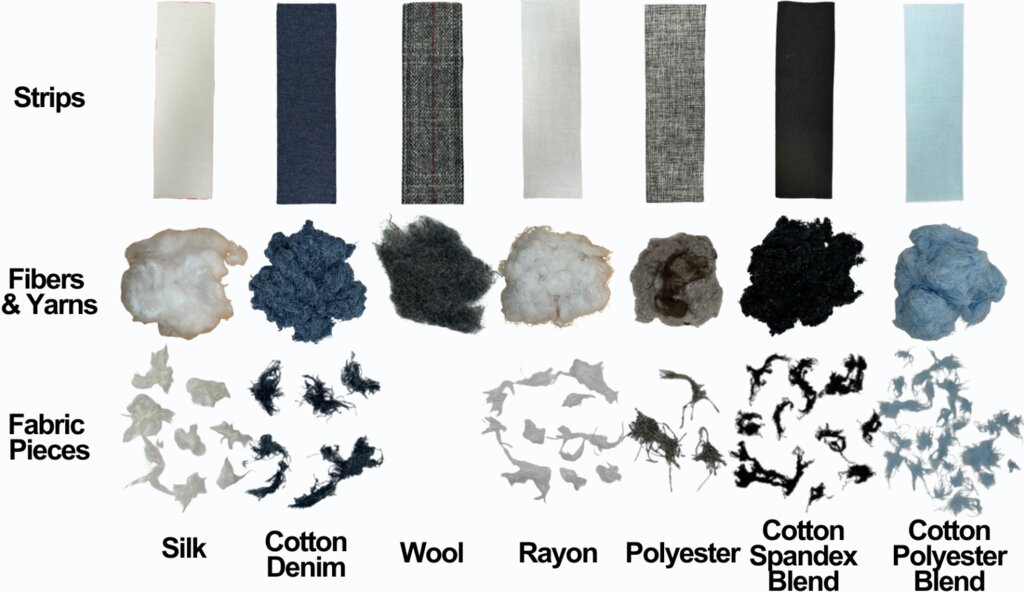
Color is just one piece of the puzzle. A truly great outfit also plays with texture. Texture refers to the surface quality of a fabric—how it feels and how it looks. Is it rough or smooth, stiff or soft, shiny or matte?
Combining different textures adds depth and visual interest, even in an outfit with minimal color. Think of pairing a chunky knit sweater with a smooth silk skirt, or rugged denim with delicate lace. These contrasts prevent an outfit from looking flat.
Finally, let's talk about shades. A shade is created by adding black to a color, making it darker. A tint is made by adding white, making it lighter. Playing with different shades and tints within the same color family creates a sophisticated, layered look.
This is called a monochromatic outfit. It’s not just wearing all blue; it's wearing a navy trouser with a sky-blue top and a royal blue jacket. The single color focus creates a clean, elongated silhouette, while the variation in shades keeps it interesting.
A simple rule for monochromatic looks: use at least three different shades of the same color to create noticeable depth.
Putting It All Together
The best stylists think like artists, balancing color, texture, and shade to create a cohesive whole. It's not about following rigid rules, but understanding the principles so you can bend them creatively.
Start small. Try adding a complementary accent color with a belt or a pair of shoes. Or build a monochromatic outfit using pieces you already own. Notice how combining a soft cashmere sweater with crisp cotton trousers changes the feel of the outfit. Styling is an experiment. The more you play with these elements, the more you'll develop your own unique eye.
Ready to test your knowledge? Let's review the key terms.
Now, let's see how well you've grasped these concepts.
In color theory for fashion, what are the three primary colors?
You want to create a bold, high-contrast look using complementary colors. If your main piece is a vibrant green dress, what color accessory would create the strongest impact?
By understanding these foundations of color, texture, and shade, you have the building blocks to start creating outfits that don't just look good, but feel right.