Effortless Quran Reading
Arabic Alphabet
Meet the Arabic Letters
The Arabic alphabet is the foundation of the language. It has 28 letters, and unlike English, it's written and read from right to left. Many letters connect to each other, creating a flowing, cursive script.
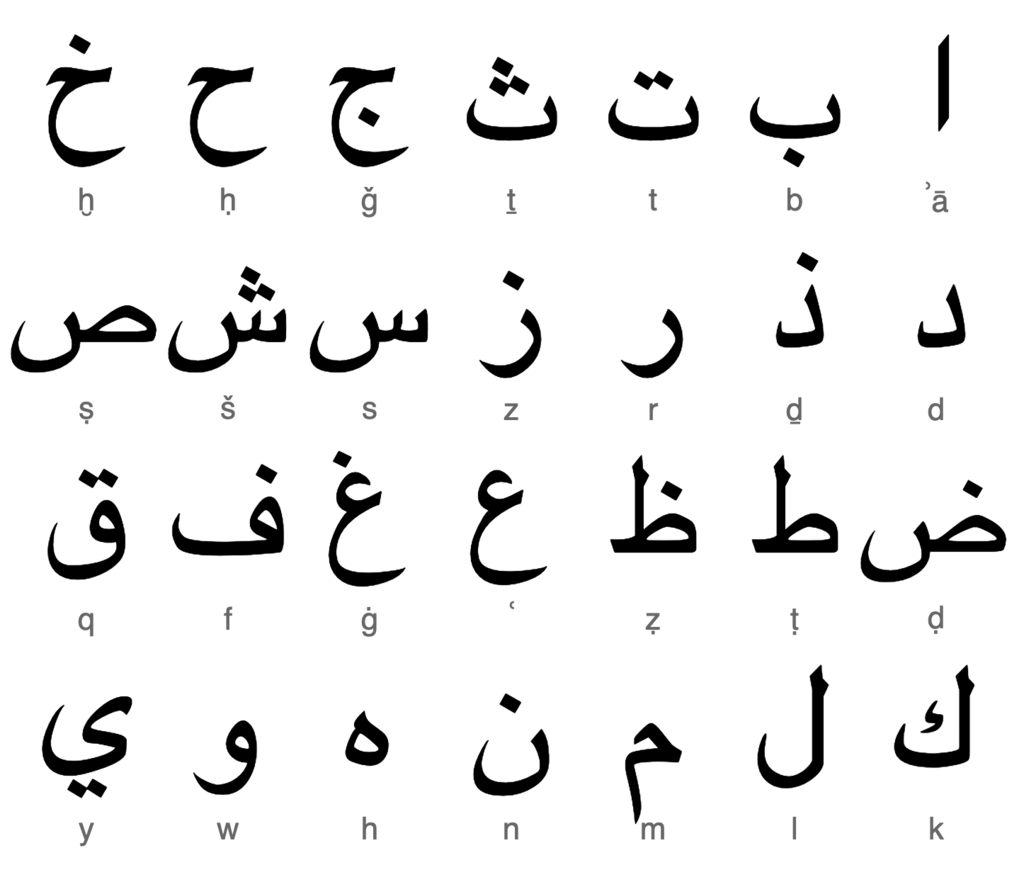
At first glance, the shapes might look unfamiliar. But you'll soon notice that many letters are based on a few simple dots and curves. Some sounds will be familiar to an English speaker, while others are unique to Arabic and will require some practice.
How Letters Change Shape
One of the most important concepts in Arabic script is that letters change their shape depending on where they are in a word. A letter can have up to four forms:
- Isolated: When the letter stands alone.
- Initial: When it's at the beginning of a word.
- Medial: When it's in the middle of a word.
- Final: When it's at the end of a word.
Think of it like cursive writing in English, where letters connect and adapt. Most Arabic letters connect to the letter that follows them, but a few don't. Let's look at an example with the letter Baa' (ب).
| Form | Shape | Example |
|---|---|---|
| Isolated | ب | — |
| Initial | بـ | باب (bāb) - door |
| Medial | ـبـ | خبز (khubz) - bread |
| Final | ـب | كتب (kutub) - books |
Notice how the main shape—the bowl with a dot underneath—is always there. The connections are just small strokes that link it to its neighbors. Don't worry about memorizing all the forms right away. As you learn each letter, you'll start to recognize the patterns.
Tricky Sounds and Similar Letters
Some Arabic letters have sounds that don't exist in English and can be tricky for learners. Others look very similar and are only distinguished by the number or placement of dots. Paying close attention to these details is key.
For example, the letters ت (taa'), ث (thaa'), and ب (baa') all share the same basic shape. Only the dots tell them apart.
Let's compare some of the sounds that often challenge new speakers. The goal isn't to be perfect immediately, but to train your ear and mouth to notice the difference.
| Letter | Name | Pronunciation Tip |
|---|---|---|
| ح | Haa' | A strong, breathy 'h' sound from the back of your throat, like fogging a mirror. |
| خ | Khaa' | A raspy sound, like the 'ch' in the Scottish word 'loch'. |
| ع | 'Ayn | A deep sound made by constricting the throat. It has no English equivalent. |
| غ | Ghayn | A gurgling sound made in the back of the throat, similar to gargling water. |
Listen and repeat: Listening to native speakers and audio recordings of the Arabic alphabet helps in familiarizing yourself with pronunciation.
Practicing these unique sounds is crucial. Try recording yourself and comparing it to a native speaker. It might feel strange at first, but consistent practice will make it feel natural over time.
In which direction is the Arabic language written and read?
Why do Arabic letters change their shape?
Learning the alphabet is the first and most important step. Once you're comfortable recognizing the letters and their sounds, you'll be ready to start reading words.