Efficient Weekly Meal Prep
Meal Prep Basics
What is Meal Prep?
Meal prep is the simple idea of preparing meals or ingredients ahead of schedule. Instead of figuring out what to eat for lunch thirty minutes before you're hungry, you decide in advance. It’s a strategy for making your week easier, healthier, and less expensive.
Meal prepping is simply planning and preparing some or all of your weekly meals ahead of time.
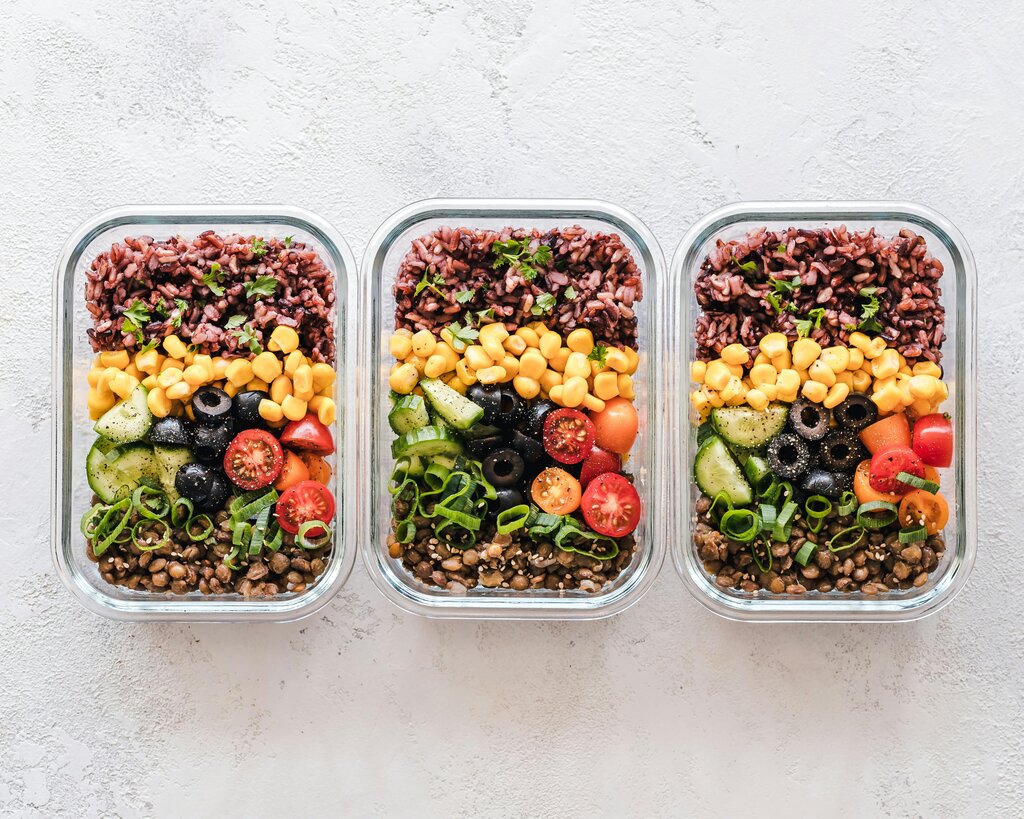
This can look different for everyone. For some, it means cooking full meals on a Sunday to be reheated during the week. For others, it's just chopping vegetables, cooking a batch of rice, or grilling chicken to use in various dishes later. The goal is the same: do a little work now to save yourself a lot of effort later.
The Big Payoffs
Why bother with meal prep? The benefits usually fall into three main categories: saving time, saving money, and improving your health.
During a busy week, the last thing you want to do is cook a full meal from scratch every night. Meal prep frees up your evenings. By dedicating a couple of hours one day a week to cooking, you reclaim that time on weeknights. No more staring into the fridge wondering what to make or waiting for food delivery.
Cooking in bulk is a core principle of meal prep. Preparing large portions of staples like grains, proteins, and roasted veggies allows you to mix and match them for different meals throughout the week.
Meal prep is also a powerful tool for your wallet. When you have a delicious, ready-to-eat meal waiting for you, you're far less likely to spend money on takeout or expensive lunches. Planning your meals means you buy only the groceries you need, which cuts down on impulse purchases and reduces food waste.
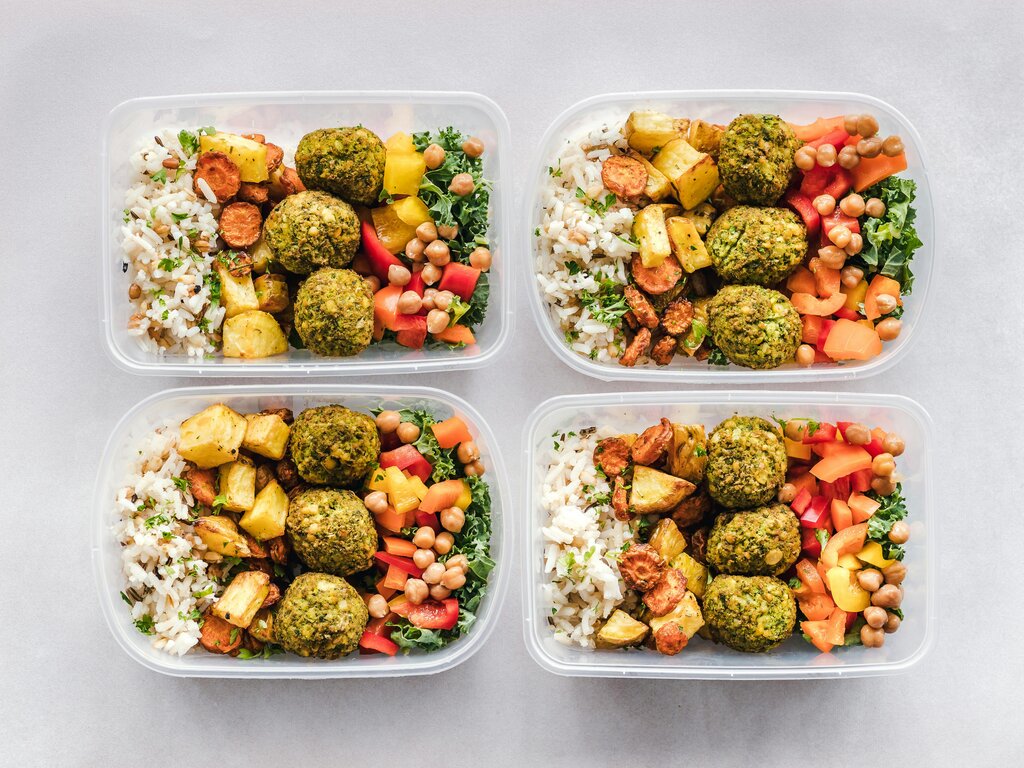
Finally, preparing your own meals gives you complete control over what you eat. You decide on the ingredients, the cooking methods, and the portion sizes. This makes it easier to eat balanced, nutritious meals that align with your health goals, whether that's eating more vegetables, managing your weight, or tracking your protein intake.
How to Get Started
Starting a meal prep routine doesn't have to be complicated. The key is to begin with a clear understanding of your own needs and to set achievable goals.
First, take a moment to assess your lifestyle. How many meals do you need to prep each week? Are you focusing on breakfast, lunch, or dinner? Do you have any dietary restrictions, allergies, or specific health goals? What kinds of foods do you actually enjoy eating? Answering these questions will help you create a plan that you'll actually stick with.
If you're new to this, start small. Trying to prep every single meal for the entire week can be overwhelming. Instead, begin by planning out just a few meals or snacks.
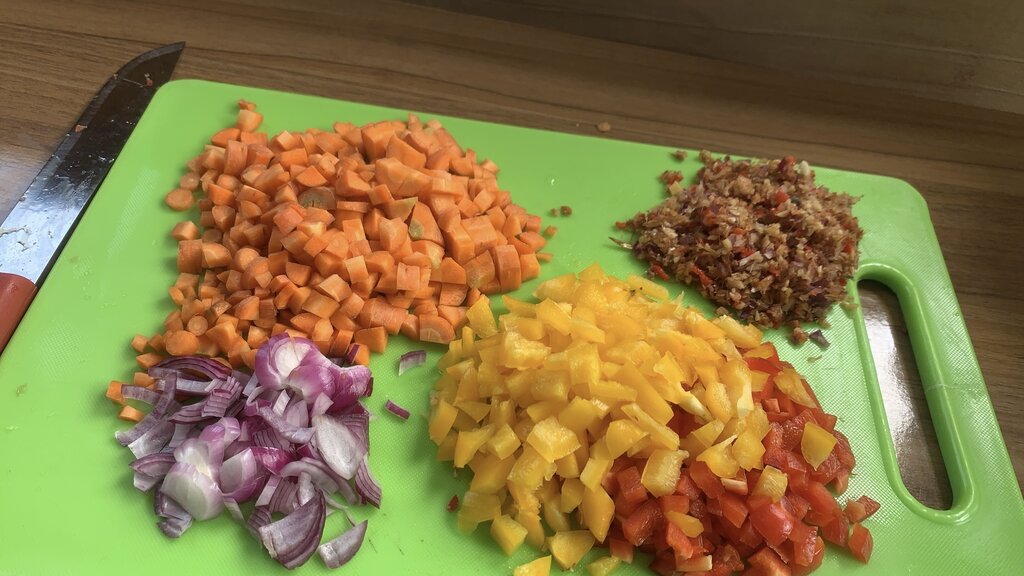
A great way to ease into it is with "component prepping." This involves preparing individual ingredients that you can easily assemble into different meals. For example, you could cook a batch of quinoa, roast a tray of vegetables, and hard-boil some eggs. These components can then be used for salads, grain bowls, or quick sides throughout the week. This approach is less rigid than preparing full meals and offers more flexibility.
The goal is to build a habit that works for you. Once you get comfortable prepping a few lunches a week, you can gradually expand to include more meals. The best meal prep plan is the one that fits seamlessly into your life.
Ready to check your understanding?
What are the three primary benefits of meal prepping?
The practice of preparing individual ingredients like cooked grains or chopped vegetables to be assembled into meals later is known as:
By planning ahead, you set yourself up for a week of easier decisions and better meals.