Efficient Weekly Meal Prep
Meal Planning Basics
The Power of a Plan
Meal planning is simply deciding what you're going to eat ahead of time. It’s the difference between a calm evening and the frantic 5 PM scramble, wondering what to make for dinner. By taking a little time to plan, you can save money, reduce food waste, and make healthier choices without the last-minute stress.
When you have a plan, grocery shopping becomes a targeted mission instead of a wandering scavenger hunt. You buy what you need, use what you buy, and avoid tossing out forgotten produce from the back of the fridge. This approach not only slims down your grocery bill but also makes your kitchen more efficient.
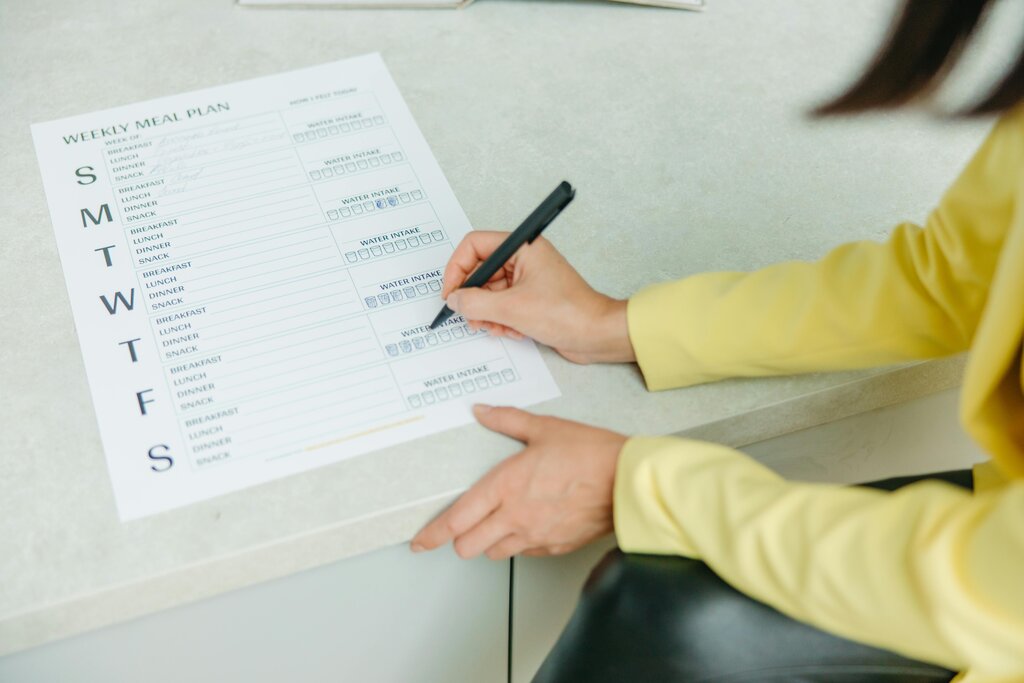
Setting Your Goals
Your meal plan should work for you, not the other way around. Before you start, think about what you want to achieve. Are you looking to cut your spending on takeout? Do you want to eat more vegetables? Or maybe you just want to avoid the grocery store during the week. Your personal goals will shape your plan.
It's easy to get ambitious and try to plan every single breakfast, lunch, and dinner. But that can be overwhelming. The key is to start small and build a sustainable habit.
Begin by planning just three or four dinners for the coming week. Once that feels manageable, you can gradually add more meals to your plan.
Balancing Nutrition and Budget
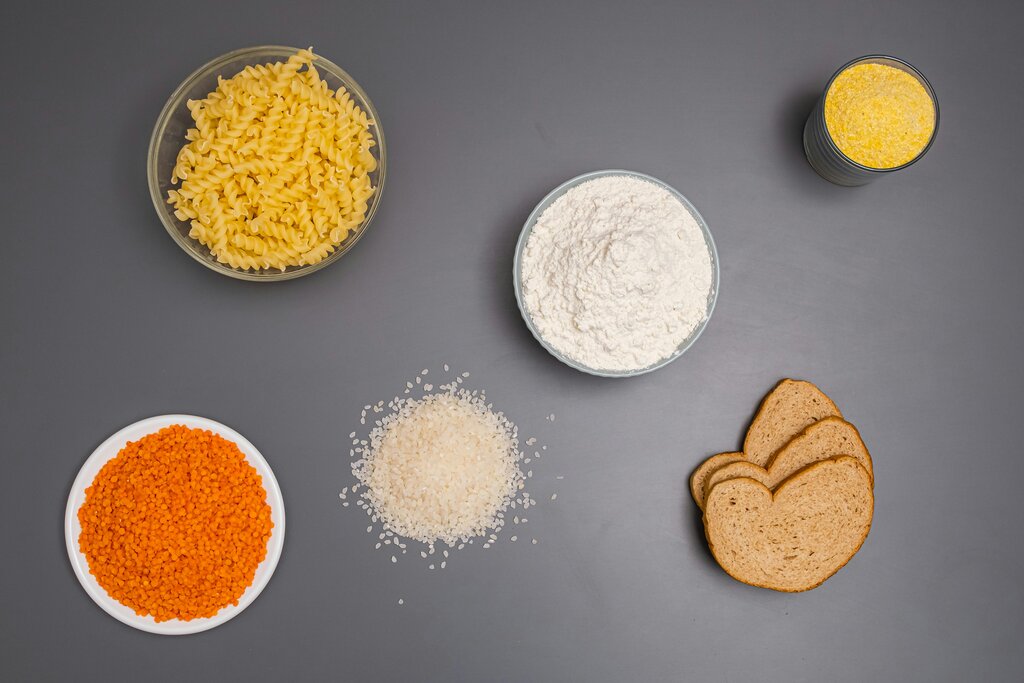
A great meal plan finds the sweet spot between nutritious food and your budget. One of the best strategies is to 'shop' your own kitchen first. Before you make a list, take a quick inventory of your pantry, fridge, and freezer. What do you already have that needs to be used?
Plan your meals around these items. If you have a bag of lentils and some canned tomatoes, you're already halfway to a hearty soup or stew. Building meals from what you own is a powerful way to reduce waste and save money.
Another tip is to plan around what's on sale and in season. Seasonal produce is often cheaper and tastes better. Check your local grocery store's weekly flyer and see what deals you can build a meal around. This keeps your meals varied and your costs down.
How to Organize Your Plan
You don't need a fancy app or complicated system to organize your meal plan. A simple method is often the most effective. You can use a notebook, a whiteboard on your fridge, or a notes app on your phone.
Try creating a simple grid for the week. List the days and the meals you plan to make. This visual layout helps you see your week at a glance and makes it easier to build your grocery list.
| Day | Breakfast | Lunch | Dinner |
|---|---|---|---|
| Monday | Oatmeal | Leftovers | Chicken & Vegs |
| Tuesday | Yogurt | Salad | Taco Tuesday |
| Wednesday | Toast & Egg | Sandwich | Pasta |
| Thursday | Smoothie | Leftovers | Soup |
| Friday | Cereal | Leftovers | Pizza Night |
Keep your plan flexible. Life happens. If you don't feel like making what you planned for Tuesday, swap it with another day. The goal is to reduce stress, not create rigid rules.
Ready to test what you've learned about getting started with meal planning?
What is one of the primary benefits of meal planning?
When creating a meal plan, what is the recommended first step?
Getting into the habit of planning your meals is a small change that can have a big impact on your daily life. It simplifies decisions, saves resources, and empowers you to eat well.