Efficient Weekly Meal Prep
Meal Prep Basics
What Is Meal Prep?
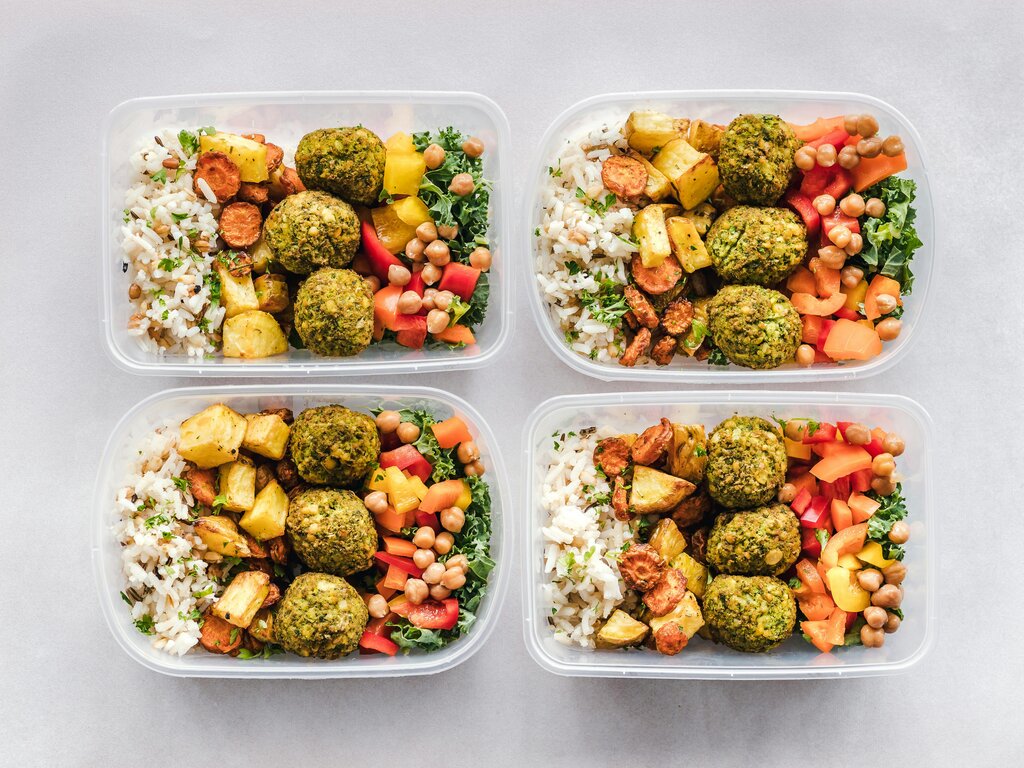
At its heart, meal prepping is the simple act of preparing meals or ingredients ahead of schedule. Instead of figuring out what to eat every day, you set aside a block of time—maybe a couple of hours on a Sunday—to cook and portion out your food for the coming days.
Meal prep refers to making whole meals or preparing recipe ingredients ahead of schedule to save time later.
This can look different for everyone. For some, it means cooking complete breakfasts, lunches, and dinners and storing them in containers. For others, it's about doing the prep work, like chopping vegetables, marinating proteins, or cooking a big batch of rice or quinoa. This is often called "component prepping." Either way, the goal is the same: to make eating well easier when you're busy.
Save Time and Stress
The most immediate benefit of meal prepping is the time you get back. Think about the daily scramble. It's 6 PM, you're tired, and the question looms: "What's for dinner?" This often leads to a frantic trip to the store or an expensive takeout order. Meal prep eliminates this daily decision-making.
When your meals are already planned and prepared, you just need to grab a container and reheat it. That hour you might have spent cooking and cleaning up each night is suddenly free. Over a week, that adds up to hours of reclaimed time you can spend on other things you enjoy.
Meal planning condenses cooking and cleaning into one efficient session, freeing up precious time for other activities.
Good for Your Wallet and Health
Planning your meals means planning your grocery list. When you shop with a specific plan, you buy only what you need, which cuts down on impulse buys. This focus also means you're less likely to let food go bad in the back of your fridge, reducing waste.
Fewer last-minute food delivery orders and more home-cooked meals add up to significant savings. One of the best ways to keep costs down is to cook in bulk—ingredients like beans, rice, and oats are inexpensive and perfect for making large batches.
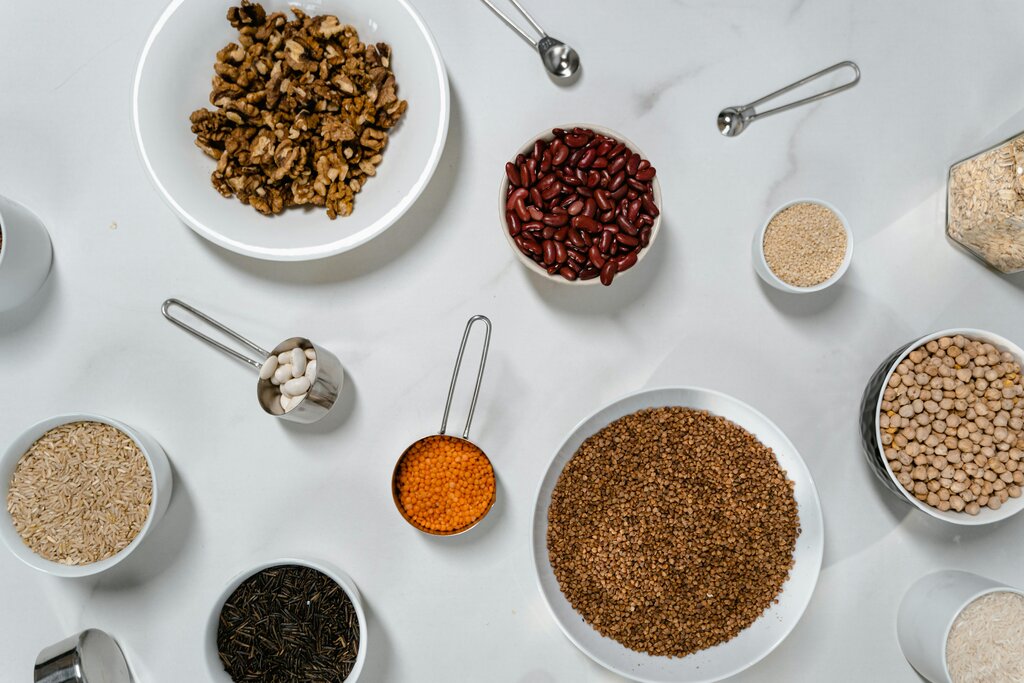
The health advantages are just as compelling. When you cook your own food, you control exactly what goes into it. You can manage salt, sugar, and fat levels, and you can prioritize whole foods like vegetables, lean proteins, and whole grains. Pre-portioning your meals also helps with portion control, which is key for managing your nutritional goals.
Keeping It Safe
Preparing food in advance requires some basic food safety knowledge to prevent illness. The most important rule is to minimize the time food spends in the "danger zone" (40°F to 140°F or 4°C to 60°C), where bacteria grow fastest.
Never leave cooked food at room temperature for more than two hours. If it's a hot day (above 90°F or 32°C), that window shrinks to one hour.
After cooking, cool your food quickly before storing it. You can speed this up by dividing large batches into smaller, shallow containers. Once cooled, seal your containers tightly and get them into the refrigerator or freezer.
Here are a few general storage guidelines:
| Storage Location | Typical Shelf Life |
|---|---|
| Refrigerator | 3-4 days |
| Freezer | 2-3 months |
When you're ready to eat, reheat leftovers until they are steaming hot throughout, reaching an internal temperature of 165°F (74°C). This ensures any potential bacteria are killed.
Ready to test your knowledge? Let's see what you've learned about the fundamentals of meal prep.
What is 'component prepping' in the context of meal prepping?
Which of the following is a key way meal prepping helps save money?
By planning ahead, you can make your weeks smoother, healthier, and more affordable. It's a simple habit with a big payoff.