Efficient Weekly Meal Prep
Meal Planning Basics
Start with Your Schedule
Before you think about food, think about your time. A meal plan that doesn't fit your life is just a wish list. So, pull out your calendar for the upcoming week. When are you genuinely going to have time and energy to cook?
Note the busy evenings filled with appointments or late work nights. On those days, you'll want a quick, 15-minute meal or leftovers. See a wide-open Sunday afternoon? That's a great time to tackle a more involved recipe. Also, account for meals you won't be eating at home, like a lunch date with a friend or a family dinner out. The goal is to get a realistic picture of how many breakfasts, lunches, and dinners you actually need to cover.
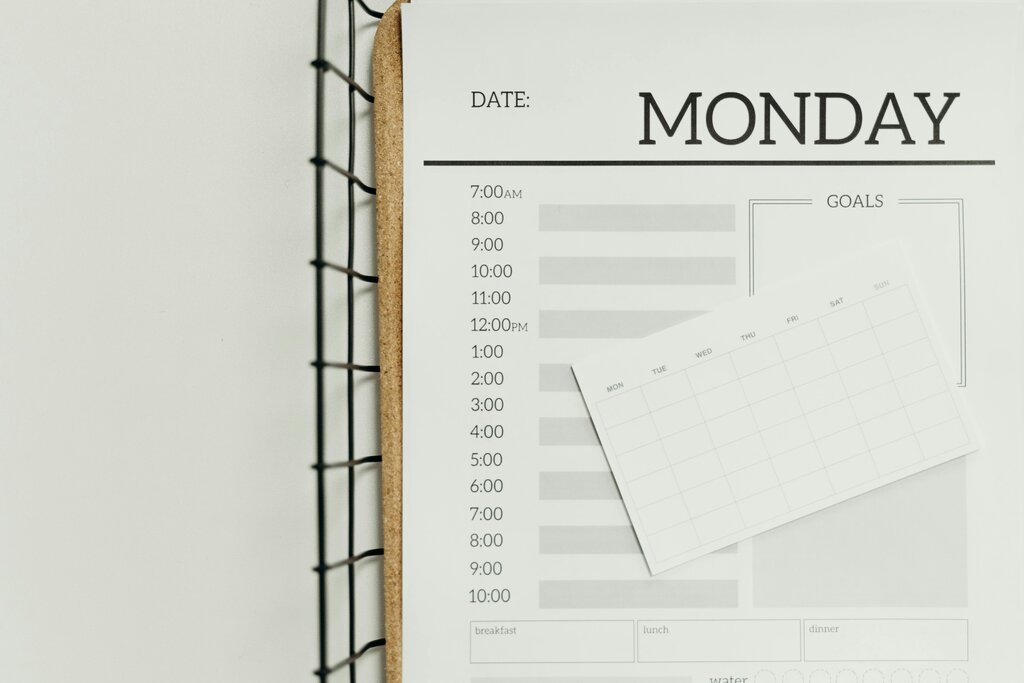
This simple assessment tells you exactly what you need to plan for, preventing you from over-buying groceries for meals you won't have time to make.
Build Your Recipe Roster
You don't need to reinvent the wheel every week. Most people rotate through a handful of favorite meals. The trick is to get this rotation out of your head and onto paper. Create a master list of recipes your household already knows and loves. Think of it as your personal restaurant menu.
Divide your list into helpful categories. You might have sections for "Quick Weeknight Dinners," "Slow Cooker Favorites," "Healthy Lunches," or "Weekend Comfort Food." Having this roster makes the planning process incredibly fast. Instead of staring into space wondering what to make, you can just pull a few ideas from your list.
Keep a running list of 10-20 go-to meals. When it's time to plan, you can simply pick and choose from your pre-approved list.
When you're ready to try something new, add it to the list if it's a hit. If it's a miss, you know not to make it again. Your roster will grow and change with you.
Write a Smarter Shopping List
Once you've picked your meals for the week, it's time to create a shopping list. This is where meal planning really starts to save you money. A detailed list keeps you focused at the store, helping you avoid impulse buys and forgotten items that require a second trip.
Go through each recipe on your plan, one by one. Write down every single ingredient you'll need. Then, take your list and shop your own kitchen first. Check the pantry, fridge, and freezer, crossing off anything you already have. This single step prevents you from buying a third jar of paprika when two are already hiding in the back of your cupboard.
A good way to start planning ahead is by creating a weekly meal plan with these basics in mind and then making your shopping list around it.
For extra efficiency, organize your list by store section: produce, dairy, meat, pantry staples, etc. You'll move through the aisles quickly and logically, saving even more time.
Plan for Flexibility
Life is unpredictable. You might get a last-minute dinner invitation, or maybe you're just not in the mood for the tacos you planned for Tuesday. That's perfectly fine. A meal plan is a tool to reduce stress, not add to it.
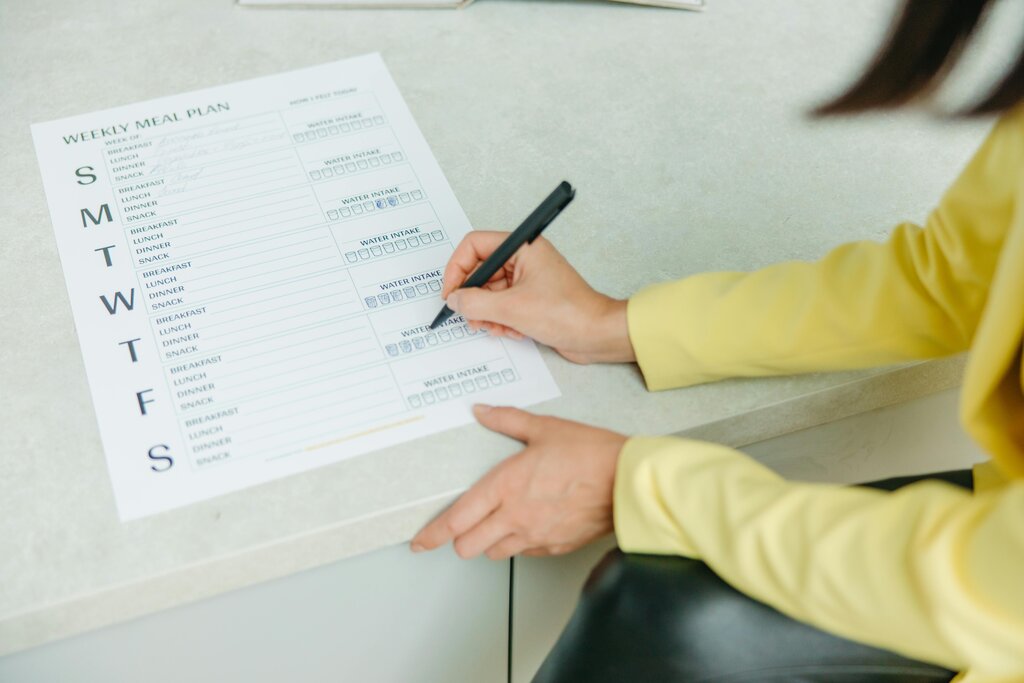
Build some flexibility into your plan. You can do this by scheduling a leftover night or penciling in a "fend-for-yourself" dinner where everyone makes their own thing. You can also simply swap days around. If you feel like having Thursday's pasta on Tuesday, go for it. The ingredients are already in your fridge, so nothing goes to waste. The point is to have a plan, not to follow it perfectly.
Now that you have the basic framework, let's test your knowledge.
What is the very first step you should take when creating a weekly meal plan?
What is the main benefit of creating a 'master list' of recipes you already know and love?
With these simple steps, you can create a meal plan that works for your life, saving you time, money, and the daily headache of figuring out what's for dinner.