Efficient Weekly Meal Prep
Meal Planning Basics
What is Meal Planning?
At its core, meal planning is simply deciding what you’re going to eat ahead of time. Instead of staring into the fridge at 6 PM wondering what to make for dinner, you have a plan. This simple shift can save you time, reduce stress, and help you manage your grocery budget more effectively.
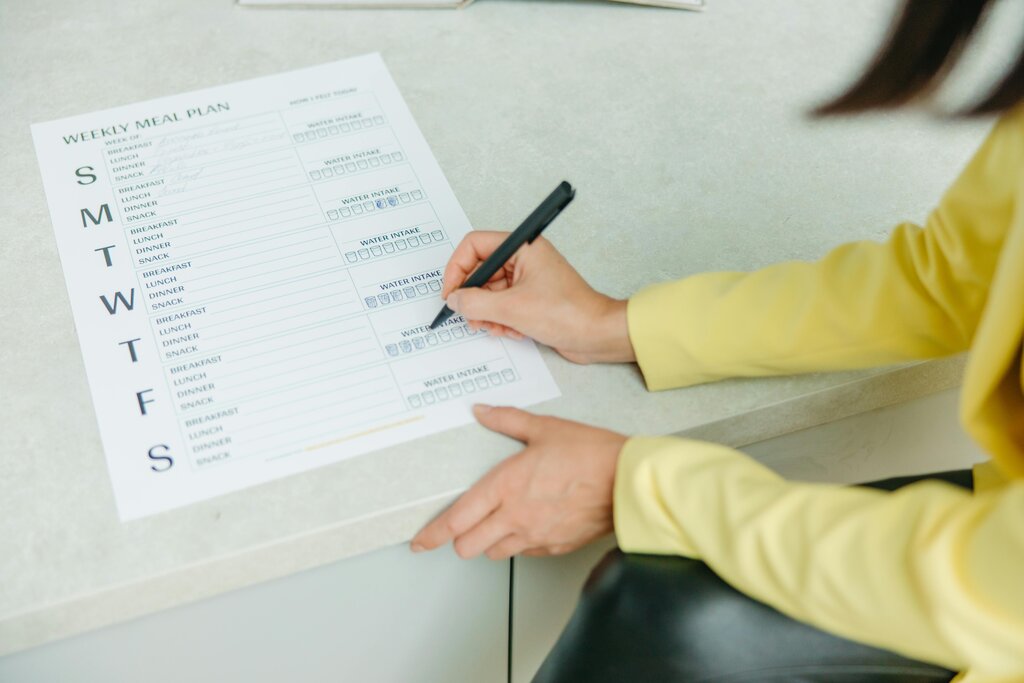
Creating a meal plan isn’t just about what you’re going to eat; it’s a way to streamline your shopping and cooking process.
Think of it as creating a roadmap for your meals. You can plan for a few days or an entire week. The goal isn't to be rigid, but to have a structure that makes your life easier. It removes the daily guesswork and helps you make more intentional food choices.
Look at Your Current Habits
Before you can build a new plan, it helps to know where you're starting. Take a few days to observe your eating habits without judgment. You're just gathering information. What do you typically eat for breakfast, lunch, and dinner? How often do you eat out or order takeout? What are your go-to snacks?
Jot it down in a notebook or on your phone. Notice the patterns. Do you always skip breakfast? Do you rely on convenience foods when you're tired after work? This isn’t about making you feel bad; it's about identifying the real-life challenges your meal plan needs to solve.
A good meal plan is built on your real life, not an idealized version of it. Start with what you actually eat, and make small changes from there.
Also, consider your schedule. Are there nights when you work late and need something quick? Do you have more time to cook on the weekends? Understanding your routine will help you create a plan that you can actually stick with.
Set Realistic Goals
Jumping into planning seven days of meals from scratch can be overwhelming. The key is to start small. Your goal might be as simple as planning dinners for three nights this week. Or maybe you want to focus on packing your lunch twice a week instead of buying it.
Choose one small, achievable goal to focus on first. Once that becomes a habit, you can build on it. This gradual approach prevents burnout and makes the process feel manageable.
| If you currently... | Try a goal like... |
|---|---|
| Decide dinner at 6 PM daily | Plan three dinners for the week |
| Buy lunch every workday | Pack lunch twice a week |
| Snack on whatever's available | Prep a batch of healthy snacks on Sunday |
Your goals should align with what you learned from observing your habits. If you noticed you always grab takeout on busy Tuesdays, maybe your first goal is to have a simple, pre-planned meal ready for that specific night.
The Benefits of a Plan
When you have a meal plan, you know exactly what to buy at the grocery store. This leads to fewer impulse purchases and less food waste, because every item in your cart has a purpose. Over time, this can make a real difference in your budget.
Planning also gives you more control over what you eat. You can intentionally incorporate more nutritious foods and manage portion sizes. When healthy options are planned and ready to go, it's easier to stick to your health goals. And perhaps most importantly, it frees up mental energy. The daily question of "what's for dinner?" is already answered, giving you one less thing to worry about.
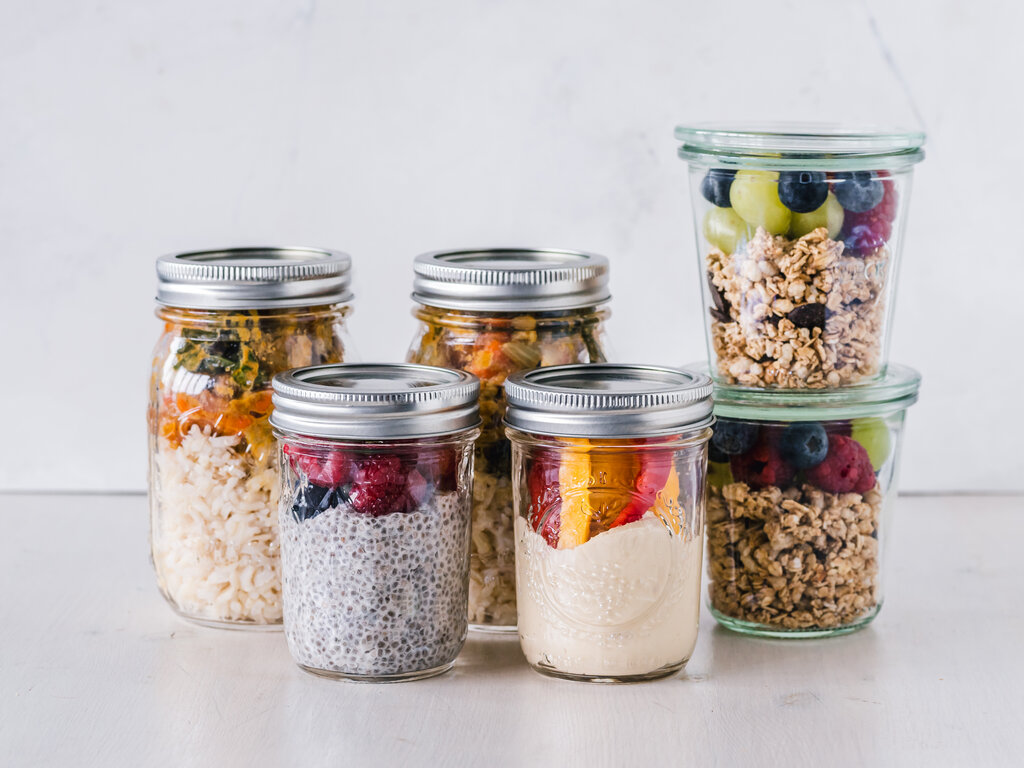
Now, let's test your understanding of these basic concepts.
What is the primary purpose of meal planning?
According to the text, what is the recommended first step before creating a meal plan?
With these fundamentals in mind, you're ready to start building your own simple meal plan.